
Planning a trip for three generations? Learn how to choose the destination, set a gentle pace, handle health and food, and keep children and grandparents both happy.
Quick facts
- Best pace
- Two main activities a day at most
- Start planning
- Several weeks to a few months ahead
- Biggest saving
- Staying in one base for several nights
- Who it is for
- Families travelling across generations
- What to carry
- Medicines, snacks, comfort items, documents
To plan a trip that works for children and grandparents together, choose a destination with easy access and gentle activities, keep a slow pace with plenty of rest, and base yourselves in one or two places instead of moving every day. If the youngest and the oldest are comfortable, everyone else usually will be too.
This guide is for Indian families planning a multi-generation holiday, whether within India or abroad.
Start with what each person needs
Before choosing a place, ask everyone what matters most. Children may want a pool, animals or something to play with. Grandparents may want a quiet room, familiar food and a short walk to a temple or a garden. Parents often want a bit of everything.
Write down these needs, and note any health concerns, mobility limits or dietary rules. This list becomes your filter. A destination that looks beautiful but has steep stairs, long road transfers or limited vegetarian options may be better saved for another trip.
Choose a destination that suits all ages
The best family destinations tend to share a few features: smooth transport, a comfortable climate for the season, good medical access and a mix of easy sights.
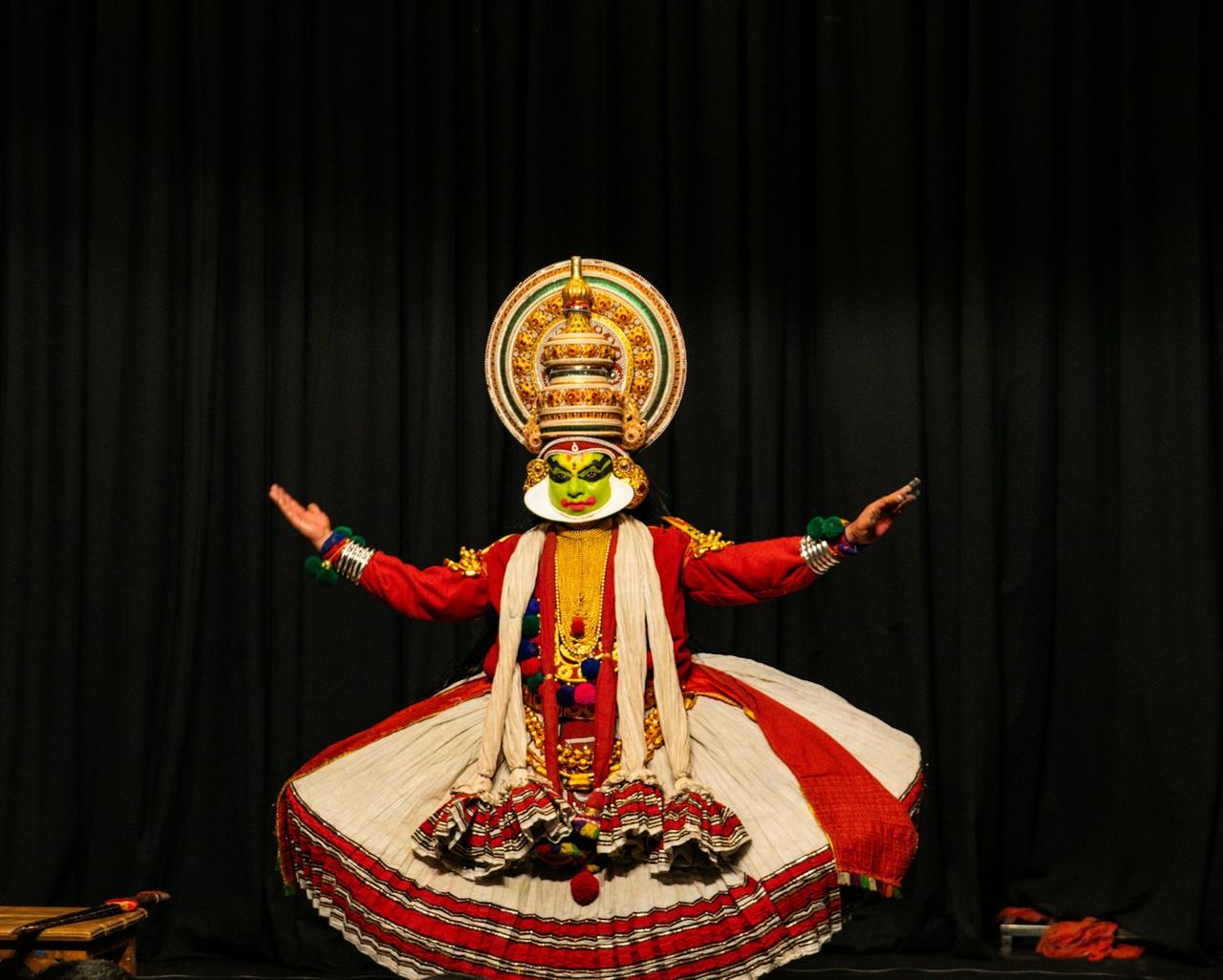
Within India, Kerala works well, with a houseboat day, tea hills and beaches that suit slow travel. Our Kerala in five days guide shows how such a route can be paced. Rajasthan is rich in forts and palaces, though its distances and summer heat call for planning, as the Rajasthan in seven days guide explains.
If you are going abroad, favour a single country with short flights and simple entry processes, and check visa and passport requirements for every family member early. Children need their own passports, and rules about documents for minors can differ by country, so confirm them on the official source.
Be cautious with destinations at high altitude, in remote areas or with extreme weather when travelling with very young children or older adults. Speak to your doctor first.
Pace the days gently
The most common mistake in family trips is trying to do too much. A good rule is two main activities a day, one in the morning and one late afternoon, with a rest in the middle.
- Keep the first and last day light, to absorb travel fatigue and avoid missed flights
- Stay at least two or three nights in each place
- Build in an unscheduled afternoon every day or two
- Avoid very early starts and late-night drives where you can
- Choose activities that can be shortened or skipped without ruining the plan
A relaxed day that everyone remembers fondly beats a packed day that ends in tears.
Health, medicines and comfort
Carry all regular medicines in their original packaging, with prescriptions, and bring a few extra days' supply. Keep them in your cabin bag. Include basic items such as fever medicine, rehydration salts, motion sickness tablets and a first-aid kit.
Share the details of any health conditions, allergies and blood group with another adult, and keep a list of emergency numbers handy. Check that your travel insurance suits the age and health of every traveller, and read our guide to travel insurance for the questions to ask.
For comfort, ask the hotel about lifts, step-free access, bathroom grab bars and room location. Request rooms close to each other, and ask about extra beds or cots for young children in advance.
Food and everyday routines
Food can make or break a family trip. If your family is vegetarian, Jain or has other dietary needs, check availability before you book, and carry some familiar snacks. Choose well-reviewed places with fresh, hot food, and keep a bottle of safe drinking water with you.
Try to keep meal and nap times roughly consistent for children, and early dinners suit older travellers. A hotel with a kitchenette or a flexible restaurant makes life easier.
Transport and logistics
Private transfers often work better than public transport for families, since you can stop when you need to and avoid heavy lifting. Ask about luggage space and seat belts, especially for children.
At airports, ask whether wheelchair or assistance services are available for elderly passengers, and request them with your airline in advance. Arrive early and keep documents together in one pouch. For trains and long drives, plan regular breaks.
Keep the number of hotel changes small. Each move costs time and energy, and with children and grandparents it costs more.
Packing for three generations
Make one master list, then divide it by person. Our international packing checklist is a good starting point. Add the extras that family trips need:
- Medicines and prescriptions for each traveller
- Light layers, since air-conditioning and evenings can be cool
- Comfortable footwear for everyone
- Entertainment for children, such as books, cards or a tablet with downloaded shows
- Copies of passports, birth certificates where needed and insurance papers
- A small bag for each child with their own essentials
Family plans are easier when someone else handles the details. Our custom trips are built around your group, your pace and your needs, and our team can talk through options for travelling with children and elders. Always check the terms of any booking before you pay.
Written by the Indian Rounds Team. Travel rules, prices and conditions change, so please check current details with the official source or ask us before you book.
Plan your trip with us
Tell us your dates and budget and we will suggest the right trip.