
India
Ladakh Tour Packages
Cross Khardung La, ride a camel across the Hunder dunes and wake beside Pangong Tso on a Himalayan road trip through monasteries and cold desert.
- Best time: May-Sep
- ~1 hr 30 min from Delhi to Leh by direct flight; from Chennai connect via Delhi or Mumbai. Road routes from Manali and Srinagar are seasonal.
- 6 packages
All you need to know about Ladakh
Ladakh is a high-altitude cold desert in the Himalaya, a land of bare mountains, deep-blue skies, river gorges and whitewashed monasteries. Leh, at around 3,500 metres, is the base for the classic circuit over Khardung La to the sand dunes of Nubra Valley and on to the colour-changing water of Pangong Tso, with centuries-old monasteries such as Thiksey, Hemis and Diskit along the way.
It is one of India's most rewarding road-trip destinations, but the altitude deserves respect. Our itineraries always begin with a rest day in Leh and keep a steady pace, and the travel season runs roughly from May to September. Tell us your dates, group size and budget, and we will build the itinerary around you.
Places covered: Leh, Sham Valley, Alchi, Khardung La, Nubra Valley, Diskit, Hunder, Pangong Tso, Thiksey, Hemis, Shey
Top reasons to choose Ladakh tour packages
Landscapes like nowhere else
Bare peaks, turquoise lakes, river valleys and cold-desert dunes, often within a single day's drive.
Living Buddhist culture
Thiksey, Hemis and Diskit are working monasteries, with monks, prayer wheels, butter lamps and colourful festivals.
The great Himalayan road trip
Cross high passes such as Khardung La and Chang La on mountain roads that are an adventure in themselves.
Clear skies and sharp light
Dry, thin air gives crisp views by day and some of the best stargazing in India after dark.
Adventure and slow travel together
Add river rafting, short treks or a camel ride to the sightseeing, or simply sit by a lake and watch the colours change.
Best time to visit Ladakh
Top places: Leh, Sham Valley, Nubra Valley and Pangong Tso, with the high passes and most camps and guesthouses open
Peak activities: Monastery visits, the Khardung La drive, camel rides at Hunder, sunrise at Pangong Tso, river rafting (usually June to September), trekking and the summer monastery festivals such as Hemis, whose dates follow the Tibetan calendar. Days are bright and pleasant, nights are cold, and May can still bring snow on the high passes.
Browse by Category
5 categories in Ladakh
Classic Packages
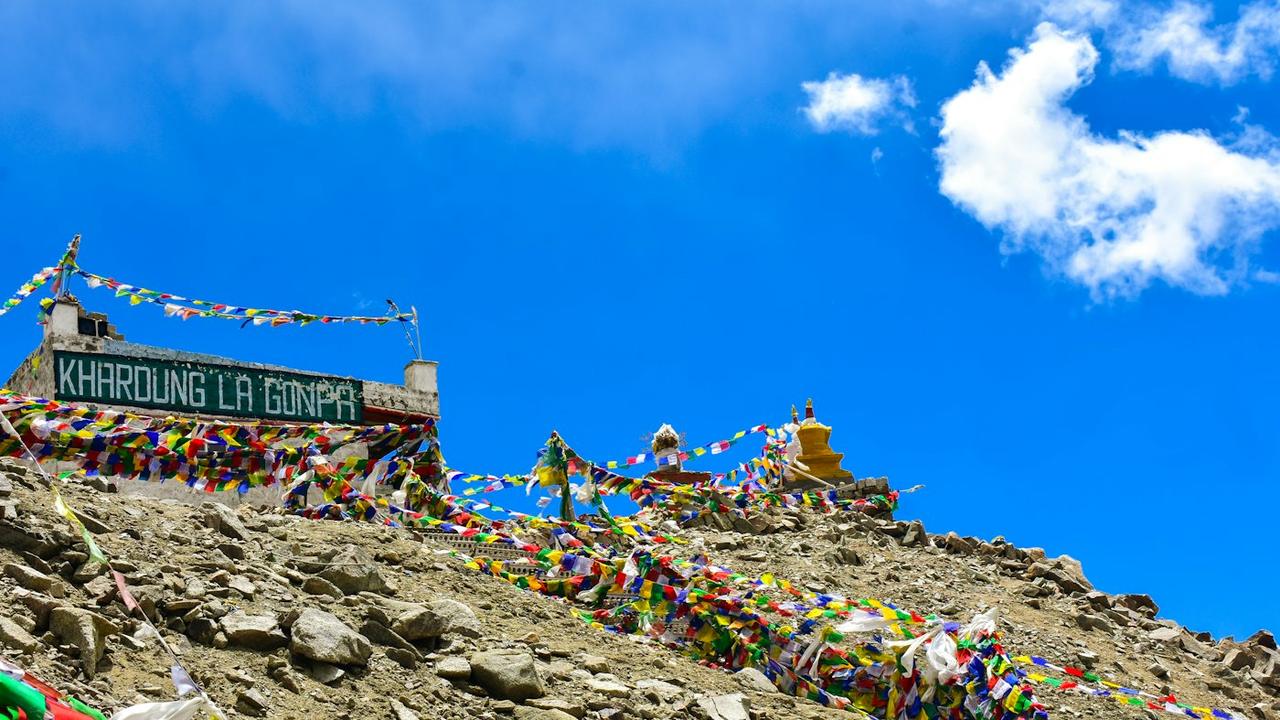
The classic Ladakh circuit: Leh, Khardung La, Nubra Valley and Pangong Tso, with a rest day at the start and sensible time for acclimatisation.
2 packages
Family Holidays
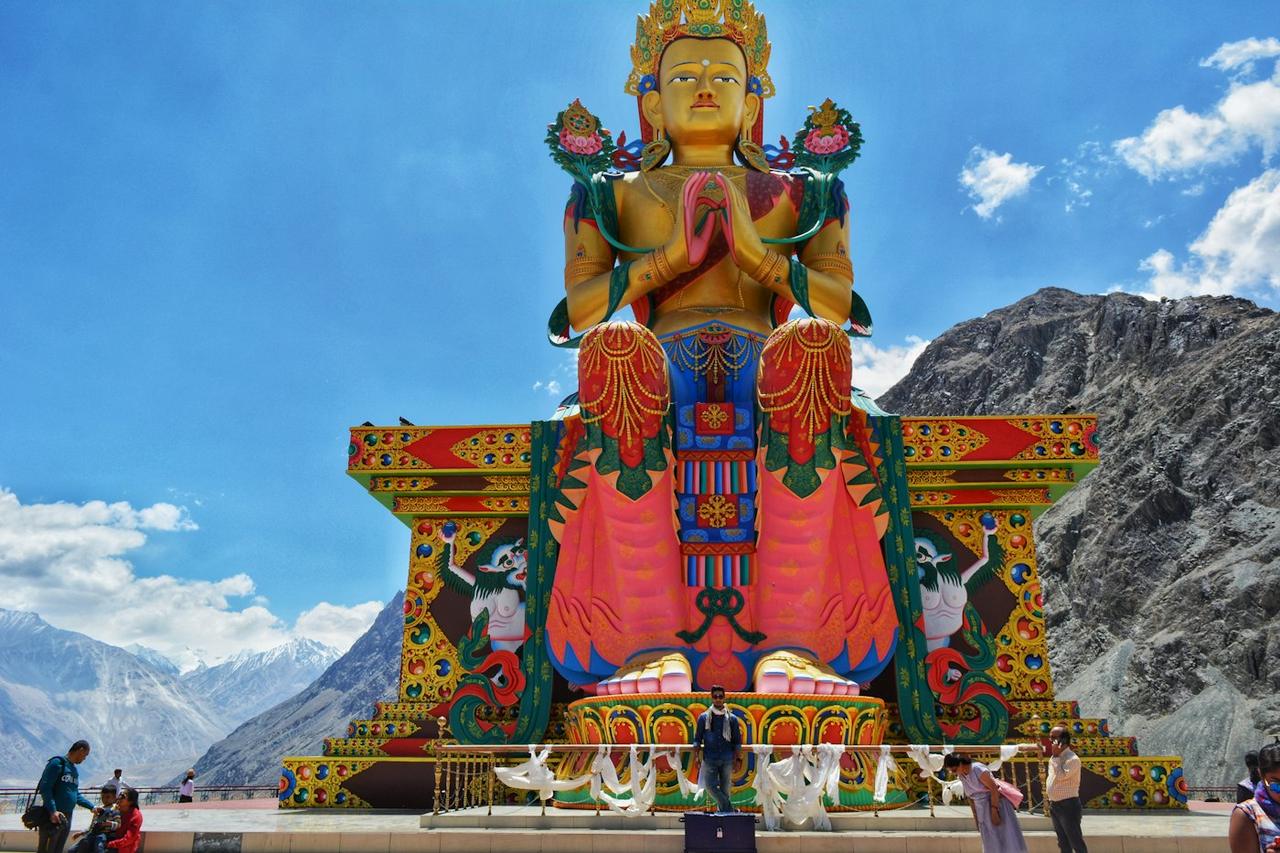
Gentler itineraries with extra nights in Leh and Nubra Valley, kept below the highest altitude, for families and senior parents.
2 packages
Adventure and Lakes
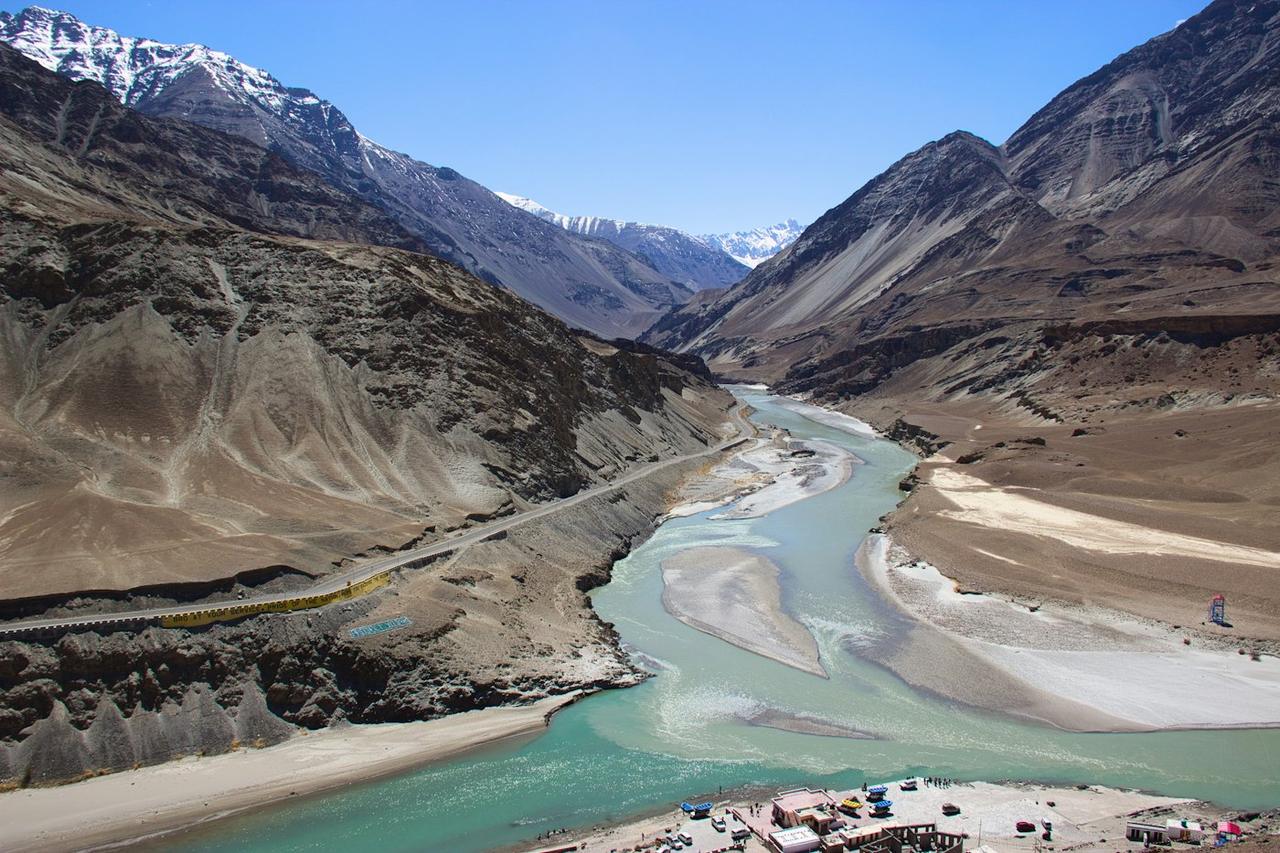
Rafting, camel rides, high passes and a night beside Pangong Tso for travellers who want the landscape up close.
3 packages
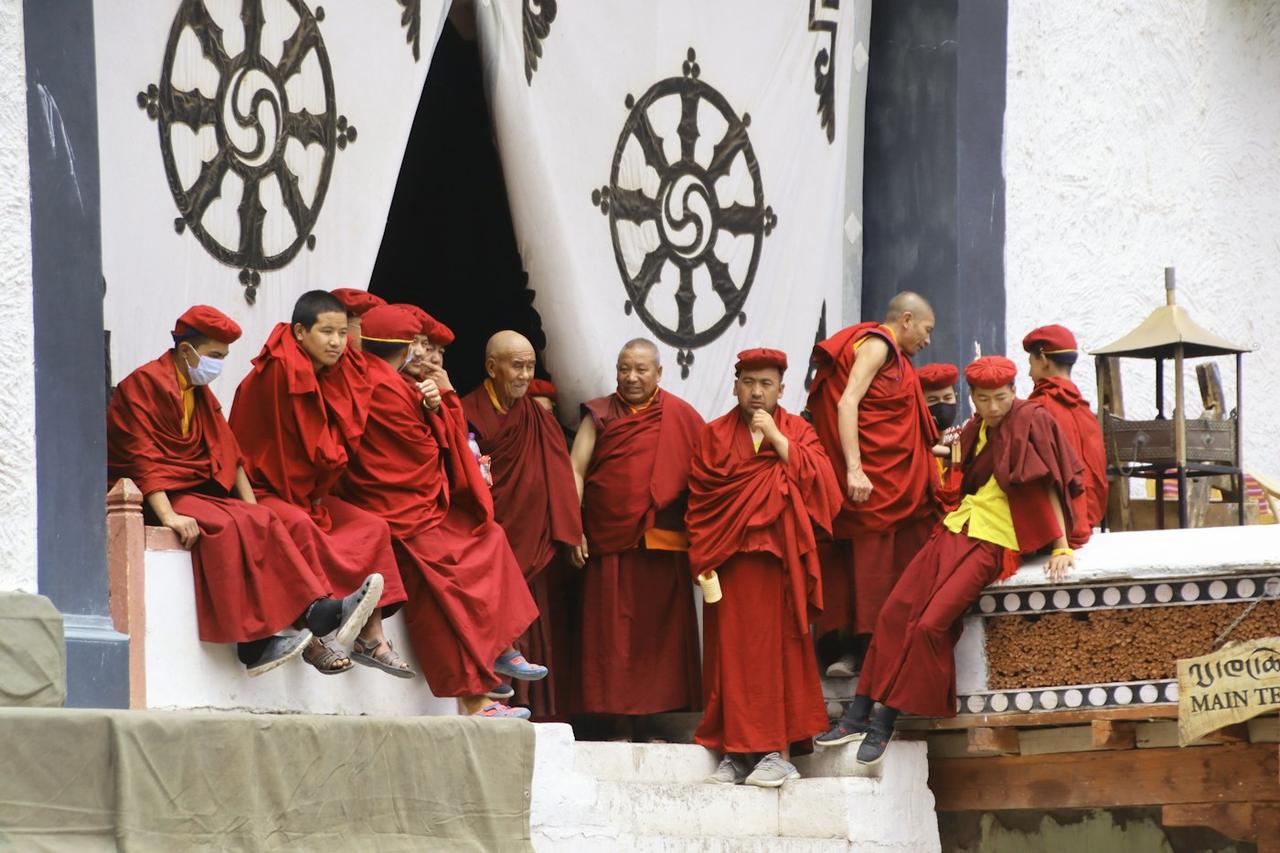
Monasteries and Culture
Thiksey, Hemis, Diskit, Alchi and Leh Palace, with time to see Ladakh's Buddhist heritage at a relaxed pace.
3 packages
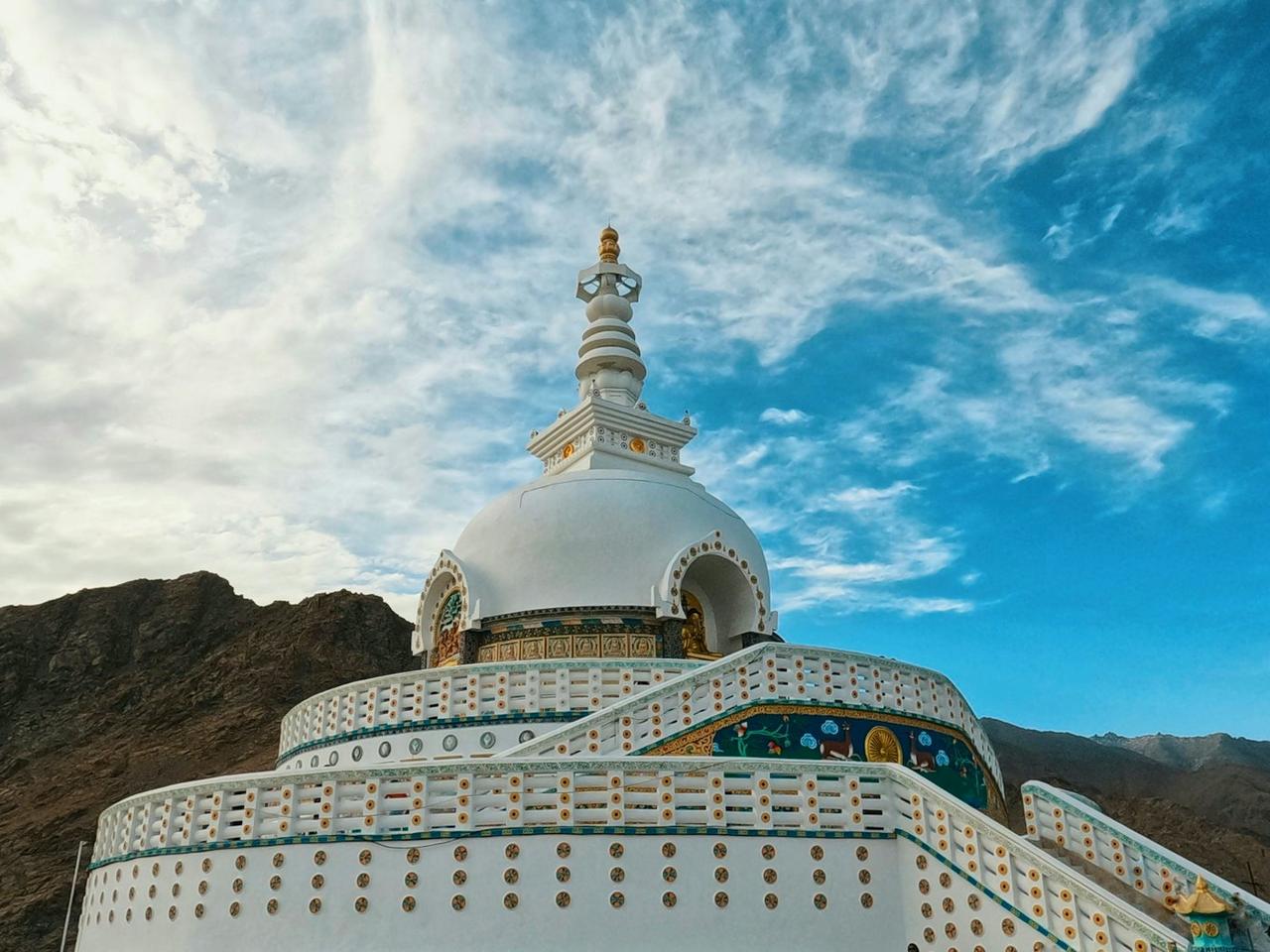
Honeymoon and Couples
Private trips for two with sunset dunes, a lakeside night at Pangong Tso and time to be together in Leh.
2 packages
Ladakh Tour Packages
6 packages available
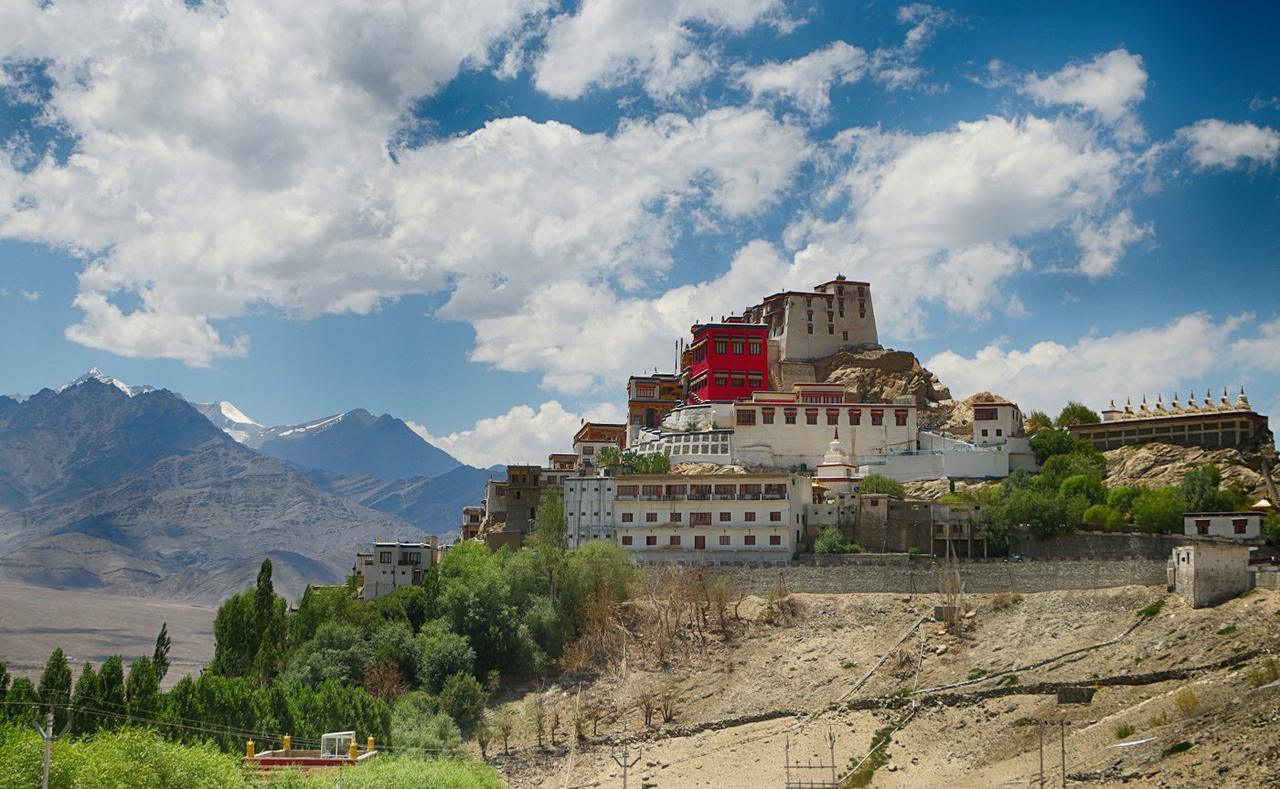
Ladakh
Ladakh Weekend Escape: Leh, Sham Valley and Monasteries
4 Days 3 Nights
Next departure: 20 Nov 2026
₹21,100
₹19,500
per person
Ladakh
Ladakh Family Holiday: Leh, Monasteries and Nubra Valley
6 Days 5 Nights
Starting from
₹33,500
per person
Ladakh
Leh, Nubra Valley and Pangong Tso Group Trip
7 Days 6 Nights
Next departure: 21 Nov 2026
₹39,400
₹36,500
per person
Ladakh
Ladakh Classic: Leh, Sham Valley, Nubra Valley and Pangong Tso
8 Days 7 Nights
Starting from
₹42,500
per person
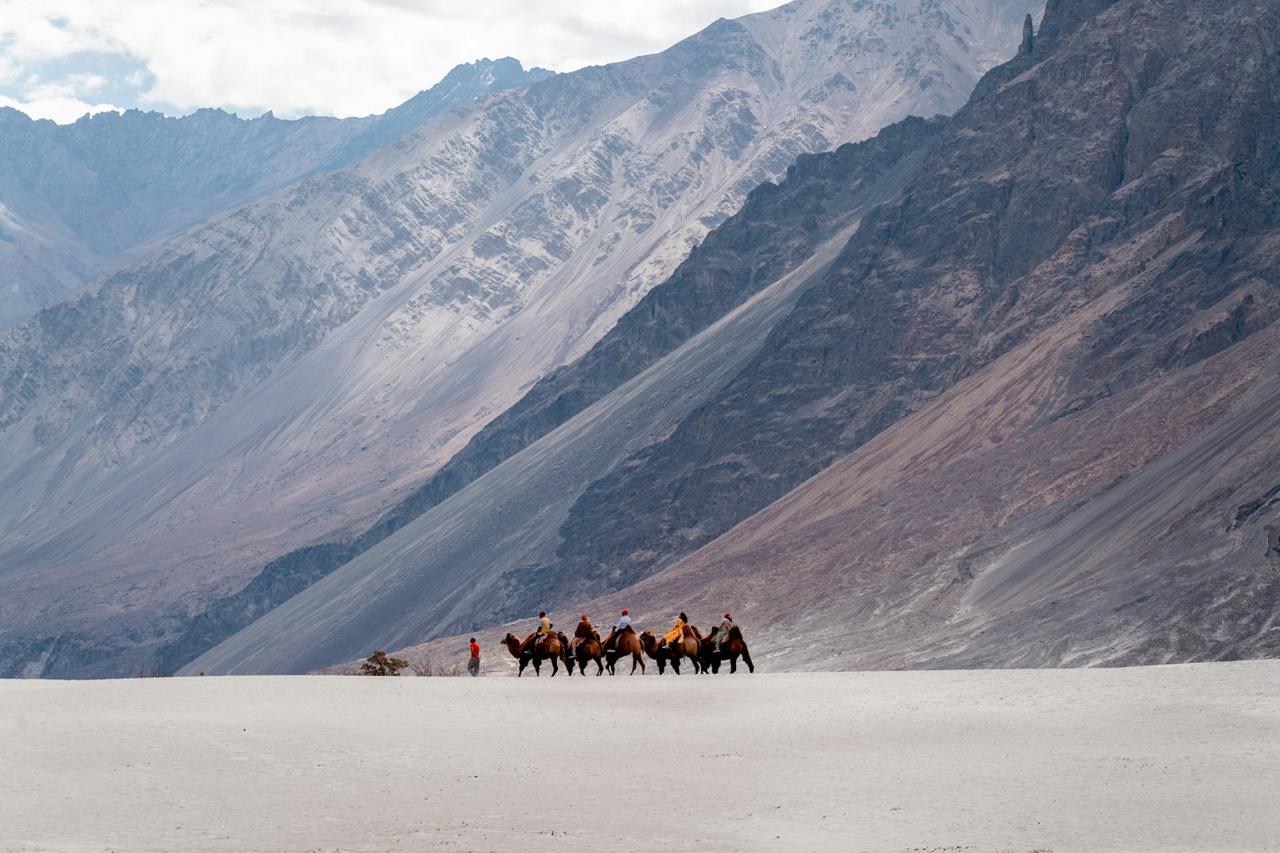
Ladakh
Ladakh Honeymoon: Leh, Hunder Dunes and a Night at Pangong Tso
7 Days 6 Nights
Starting from
₹53,500
per person
Ladakh
Ladakh Adventure: Rafting, Hunder Dunes and Pangong Tso
7 Days 6 Nights
Get a free quote
Top attractions in Ladakh
Places most travellers want on their list
Leh Palace and Shanti Stupa
A 17th-century royal palace above the old town and a white-domed stupa with sunset views over the Indus valley.
Thiksey Monastery
A hillside complex of many storeys with a large Maitreya Buddha statue, close to Leh.
Hemis Monastery
The largest monastery in Ladakh, in a quiet valley south-east of Leh, known for its summer festival.
Sham Valley
Alchi's ancient murals, the Sangam where the Indus and Zanskar rivers meet, Gurudwara Pathar Sahib and the Magnetic Hill illusion.
Khardung La
A very high mountain pass on the road from Leh to Nubra Valley, with wide Himalayan views and thin air.
Nubra Valley and Hunder dunes
A green valley with a pocket of cold-desert sand dunes, where double-humped Bactrian camels graze.
Diskit Monastery
Nubra's main monastery, with a giant Maitreya Buddha statue looking over the valley.
Pangong Tso
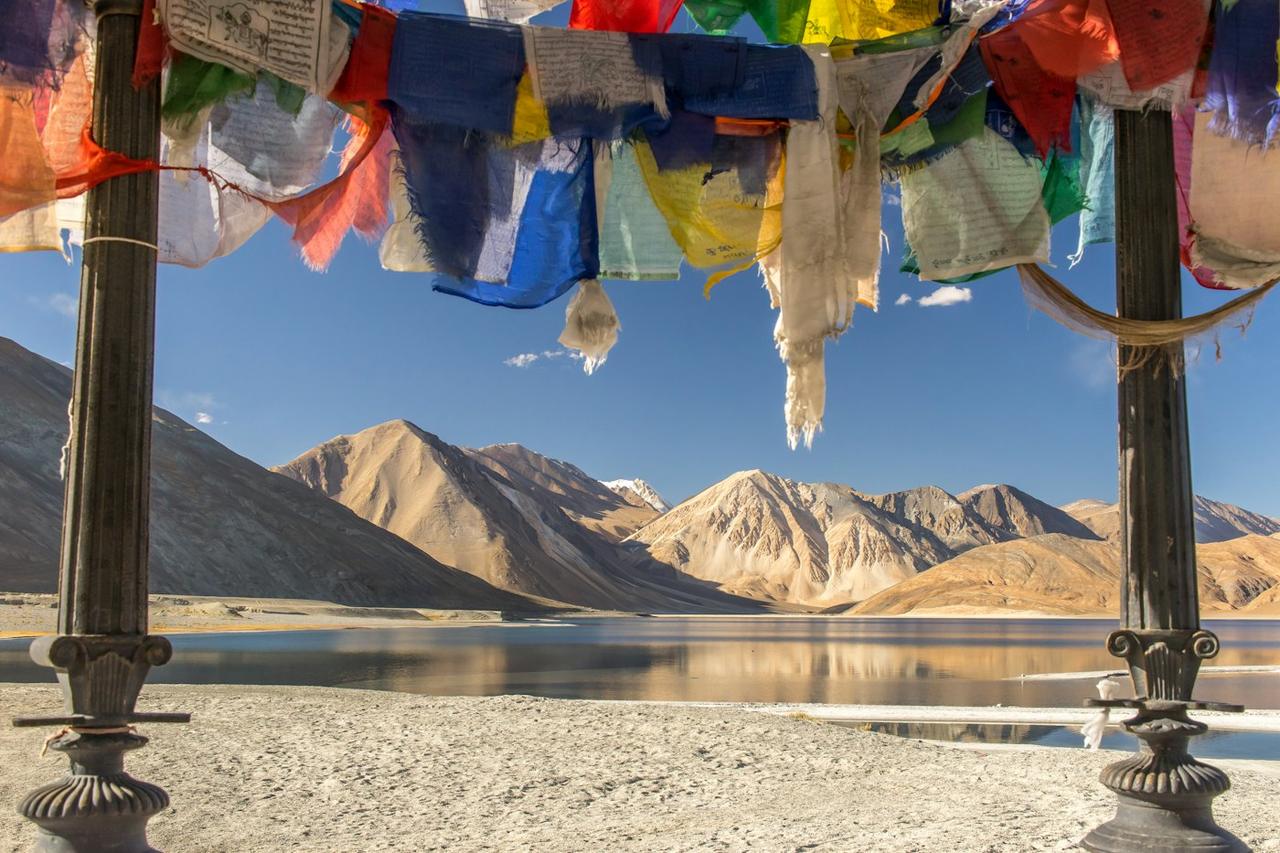
A long, high-altitude lake that shifts from turquoise to deep blue through the day, at around 4,250 metres.
Experiences & things to do
The activities that make your trip to Ladakh memorable
Bactrian camel ride at Hunder
A short ride across the dunes at sunset, on the double-humped camels of the old Silk Route.
Sunrise and sunset at Pangong Tso
Spend a night beside the lake to see the light change from dawn to dusk, weather permitting.
River rafting on the Indus or Zanskar
A guided rafting session in the summer months, with the stretch chosen according to water levels.
Morning prayers at a monastery
Visitors can sometimes sit quietly in the prayer hall while monks chant, which is a memorable start to the day.
Stargazing from the lake or the dunes
On a clear night far from city lights, the Milky Way is easy to see.
Leh market and cafes
Browse shawls, Tibetan handicrafts and dried apricots, then rest in a rooftop cafe with a view of the palace.
Foods to try
Eat like a local, with vegetarian and Indian options in mind
Momos and thukpa
Steamed dumplings and a hot noodle soup, the comfort food of the mountains.
Skyu, tingmo and khambir
A traditional Ladakhi pasta stew, steamed bread and a thick local bread, often served in homestays.
Butter tea and Ladakhi tea
Salty butter tea is an acquired taste; sweet masala tea and kahwa are easy to find too.
Apricots and sea buckthorn
Dried apricots, apricot jam and sea buckthorn juice are local products worth taking home.
Vegetarian and Jain meals
Vegetarian food is widely available in Leh. In remote camps choices are simpler, so tell us in advance and we will arrange the best option on request.
Essential tips for travelling to Ladakh
Rest on your first day
Leh is at around 3,500 metres. Rest, drink plenty of water and avoid alcohol and smoking on day 1, and do not rush the first two days.
Dress in layers
Days can be warm in the sun and nights are cold. Carry a down jacket, thermals, a cap and gloves, even in summer.
Protect against sun and dryness
UV is strong at altitude. Use sunscreen, sunglasses and lip balm, and moisturise often.
Carry cash and expect patchy signal
ATMs are mostly in Leh and can be out of order. Mobile and internet connectivity is limited in Nubra and Pangong, and postpaid connections generally work better than prepaid ones from other states.
Be respectful at monasteries
Remove shoes where asked, dress modestly, walk clockwise around stupas and prayer wheels, and ask before photographing monks.
Follow local rules near the border
Photography near military areas is not allowed, and the environment is fragile, so carry a reusable bottle and take rubbish with you.
Before you go
Rules change, so we confirm the latest details when you book
Visa information
Indian citizens need no visa to visit Ladakh, but every traveller must carry a valid original government photo ID such as Aadhaar, passport or driving licence. Some areas, including Nubra Valley and Pangong Tso, need area permits or registration, and an environment fee and other local charges apply. We arrange permits and confirm the current rules at booking.
Health and safety tips
Altitude sickness can affect anyone, whatever their fitness. Symptoms include headache, nausea, breathlessness and poor sleep. Ascend gradually, rest on day 1, drink plenty of water, avoid alcohol and smoking, and tell your guide at once if you feel unwell. Travellers with heart, lung or blood-pressure conditions, pregnant women, and families with young children or senior parents should consult a doctor before booking, and should take any medicines advised by their doctor.
Currency and tipping
Carry enough cash for small purchases, tips and personal expenses, as ATMs are mostly in Leh and can run out of cash or be out of order. Cards and digital payments work in larger hotels and shops in Leh, but connectivity is patchy in Nubra and Pangong.
Ladakh travel FAQs
Quick answers to what travellers ask us most
How many days do I need for Ladakh?
Six to seven nights is the comfortable minimum for Leh, Nubra Valley and Pangong Tso, with a rest day at the start. A short weekend trip of three nights covers Leh, Sham Valley and monasteries only, without the high passes.
Why is the first day kept free?
Flying into Leh takes you from low altitude to about 3,500 metres in a couple of hours. Resting on day 1 gives your body time to adjust and greatly lowers the risk of altitude sickness, so we never plan sightseeing on arrival.
Do I need permits for Ladakh?
Indian citizens need no visa, but must carry a valid photo ID. Areas such as Nubra Valley and Pangong Tso need permits or registration, and an environment fee and other charges apply. We arrange permits and confirm the current rules at booking.
When is the best time to go?
May to September is the main season, when the passes, camps and guesthouses are open. April and October are possible but colder, and from November to March winter makes most of the circuit unsuitable for ordinary holidays.
Is Ladakh suitable for children and senior parents?
Many families visit, but the altitude needs care. We suggest a doctor's advice before booking, a slower itinerary with extra nights in Leh, and skipping the overnight stay at Pangong Tso if anyone is unwell or very young or elderly.
How do we get to Leh?
Flying to Leh Airport (IXL), usually from Delhi, is the practical choice for most travellers. Road routes from Manali and Srinagar are open only in summer and are long, high-altitude journeys, so we recommend them only for experienced travellers.
Ladakh Travel Guides
Plan your Ladakh trip with us
Tell us your dates, group size and budget. We will send a tailored itinerary and quote, usually within a few hours.