Rugs, leather, lamps, spices and argan oil: what is worth buying in Moroccan souks, where to find it in Marrakech and Fez, and how to bargain without stress.
Quick facts
- Best buys
- Rugs, leather, ceramics, lamps, spices, argan oil
- Where
- Marrakech and Fez medinas, plus Essaouira for wood crafts
- Bargaining
- Expected in souks, not in fixed-price shops
- Typical spend
- Ranges from cheap spices to costly rugs
- Payment
- Cash in dirhams is most useful in small stalls
Moroccan souks are among the best places in the world to buy handmade crafts, and bargaining is part of the experience. Go in with a rough idea of what you want, look at several stalls before buying, and treat the first price as the opening line of a conversation. Done well, it is friendly and rather fun.
What is worth buying
Morocco's crafts are strongest in a handful of categories, and most of what you see is made in or near the cities where it is sold.
- Rugs and carpets: Berber rugs, kilims and flat-woven blankets come in many regional styles. Prices range from affordable small pieces to serious investments for large wool rugs.
- Leather goods: Slippers (babouches), bags, poufs and jackets. Fez is famous for leather, thanks to its old tanneries.
- Ceramics and tiles: Hand-painted bowls, tagine pots and plates, especially from Fez and Safi. Check that decorative tagines are not only for display if you plan to cook with them.
- Metal lanterns and lamps: Brass and iron lanterns with pierced patterns throw beautiful shadows. They are fragile, so ask how they will be packed.
- Spices and tea: Ras el hanout, cumin, saffron, dried mint and gunpowder green tea. These are cheap, light and good for gifts.
- Argan oil and cosmetics: Argan oil is produced in the south-west. Buy from cooperatives or reputable shops, because cheap bottles may be diluted.
- Textiles and jewellery: Silk cactus-fibre scarves, embroidered cushions and Berber silver pieces.
Where to shop in each city
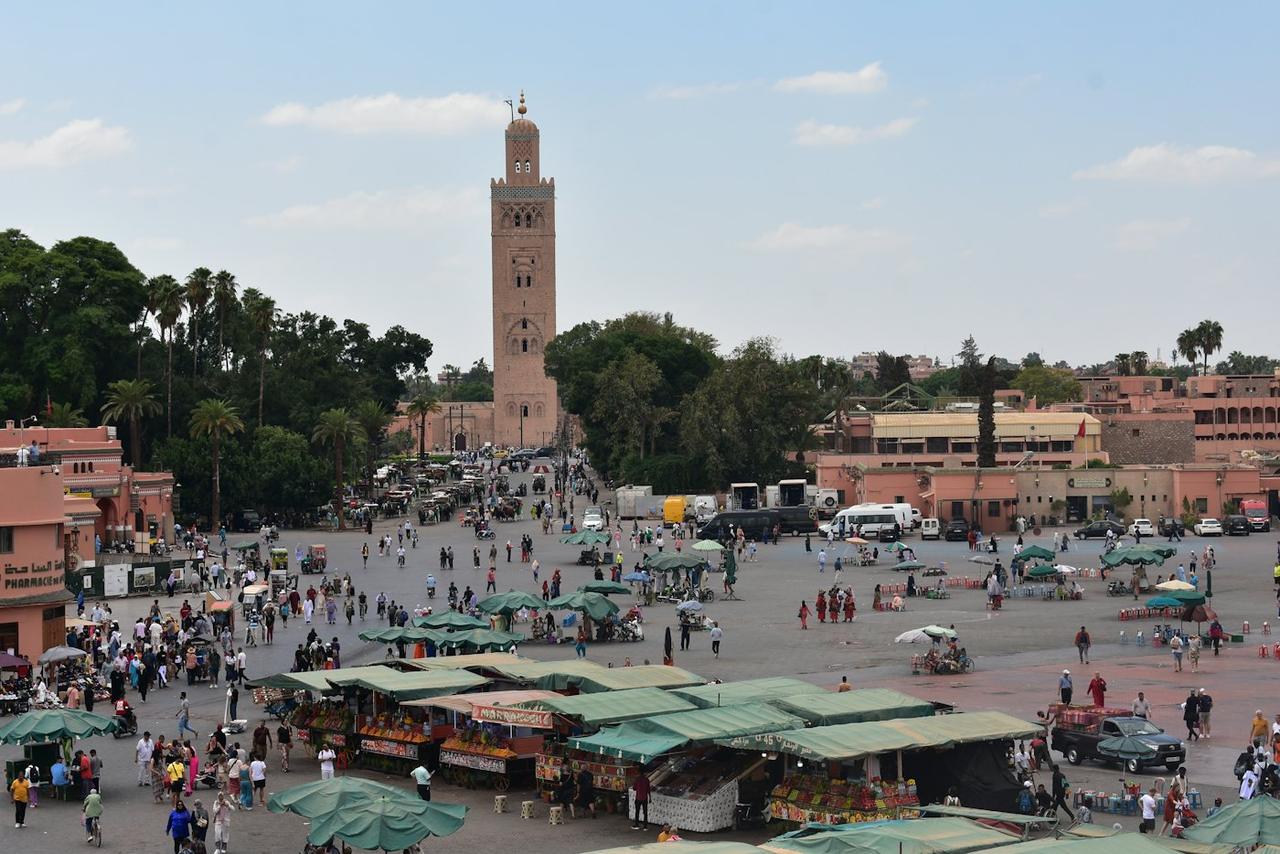
Marrakech. The souks north of the Djemaa el-Fna square are the main shopping area, divided into lanes by trade: dyers, metalworkers, leather, spice and slippers. Souk Semmarine is the main artery. If you want a gentler start, some visitors begin with the fixed-price craft emporiums to learn what things cost, then shop in the souks with better judgement.
Fez. The medina is more local and less polished. Look for the leather tanneries (viewing terraces are usually offered for a small tip), the metalworkers at Place Seffarine and the pottery workshops outside the old city. Fez feels more like a working craft town than a tourist market.
Essaouira. The Atlantic port is known for thuya-wood boxes and inlay work, plus a more relaxed bargaining atmosphere.
Chefchaouen and Tangier are good for woven blankets, woollen goods and small gifts.
How to bargain, step by step
Bargaining is normal in souks, but not in shops with price tags. If you are uncomfortable with it, fixed-price government-run craft centres and cooperatives show a good benchmark.
- Browse first. Ask prices at two or three stalls for similar items before you start serious negotiation.
- Decide your limit. Know what the item is worth to you, not what you assume locals would pay.
- Stay friendly. Smile, accept tea if offered, and never make a rude comment about the product.
- Counter-offer well below the ask. A common rule of thumb is to start at about a third to half of the first price, then move up gradually. Prices vary, so use your judgement.
- Be willing to walk away. Often the best offer comes as you leave the stall.
- Do not bargain unless you intend to buy. Once you agree on a price, it is considered rude to back out.
Avoiding common problems
Some basic habits keep shopping stress-free:
- Guides and commissions: Unofficial guides may lead you to shops where they earn a commission, which is added to your price. A licensed guide from your hotel or tour is safer.
- Quality checks: For leather, smell it and check stitching. For rugs, check the back for knots and colour consistency. For silver, ask what it is made of.
- Authentic or imitation: Not all "antique" items are old, and not all "argan" oils are pure. Buy for beauty, not investment, unless you know what you are doing.
- Shipping: Large rugs and furniture can be shipped home, but costs and customs duties vary, so ask the seller for the full process and get paperwork.
- Cash and cards: Smaller stalls prefer cash in dirhams, while larger shops accept cards.
Rules for taking things home
Check current rules before you buy anything that could be regulated. This includes antiques, items made from animal products, plants and seeds, large amounts of spices and any alcohol. Indian customs rules on duty-free allowances and imported goods can also change, so confirm them with the official source before you travel. When in doubt, ask your tour operator or the shop.
A sensible shopping plan
If you have only a few days, spend the first afternoon in a medina simply looking and noting prices. Buy lightweight things such as spices, tea, slippers and small ceramics early. Save the big purchase, such as a rug, for later in the trip, when you know the market better. Leave a little room in your suitcase and carry fragile items in your hand luggage.

To see these markets in context, read our guide to Morocco's imperial cities and the Sahara. If you would like a trip that includes free time in the souks, take a look at our Morocco trips or our group tours.
Written by the Indian Rounds Team. Travel rules, prices and conditions change, so please check current details with the official source or ask us before you book.
Plan Morocco with us
Tell us your dates and budget and we will suggest the right trip.