Kashmir looks very different in spring, summer, autumn and winter. Here is how each season feels, what it is good for, and how to match it to the trip you want.
Quick facts
- Best time
- April to October for most trips
- Snow season
- December to February
- Ideal stay
- 5 to 7 nights
- Getting there
- Fly into Srinagar
- Good for
- Families, couples, first-time visitors
The best time to visit Kashmir depends on what you want to see. April to June is good for gardens and mild weather, July and August for high meadows, September to October for autumn colour, and December to February for snow and Gulmarg skiing. There is no bad season, only a different Kashmir each time.
Spring: April to May
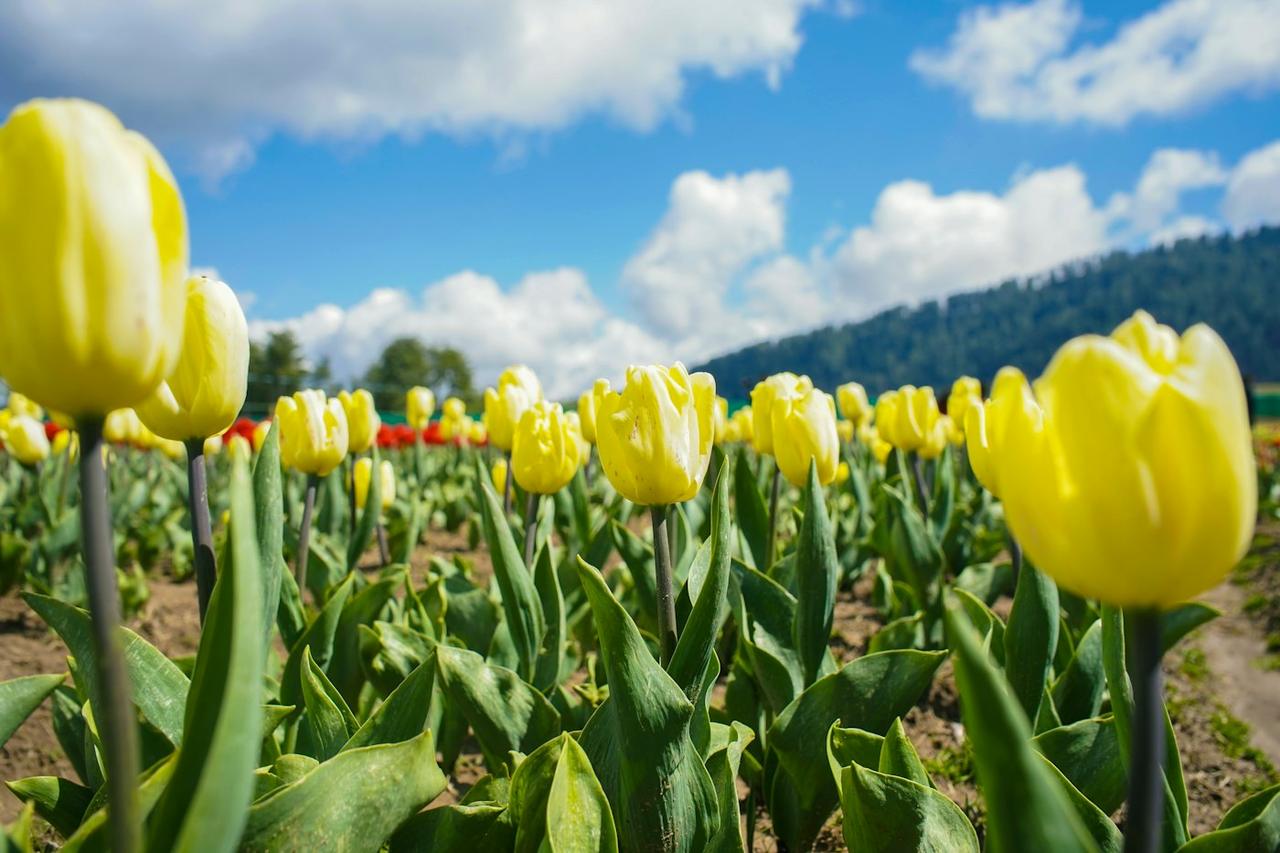
Spring is when the valley wakes up. Srinagar's terraced Mughal gardens, such as Nishat Bagh and Shalimar Bagh, are at their best, and the famous tulip garden by Dal Lake opens for a short window each year. Dates shift with the weather, so confirm the flowering period close to your travel date before you book.
Days are pleasant and nights are cool, so a light jacket is enough in Srinagar. Higher places such as Gulmarg and Sonamarg may still have snow patches early in the season, which many visitors enjoy. Some high roads open later than the valley floor, so ask about road status before planning day trips.
Summer: June to August
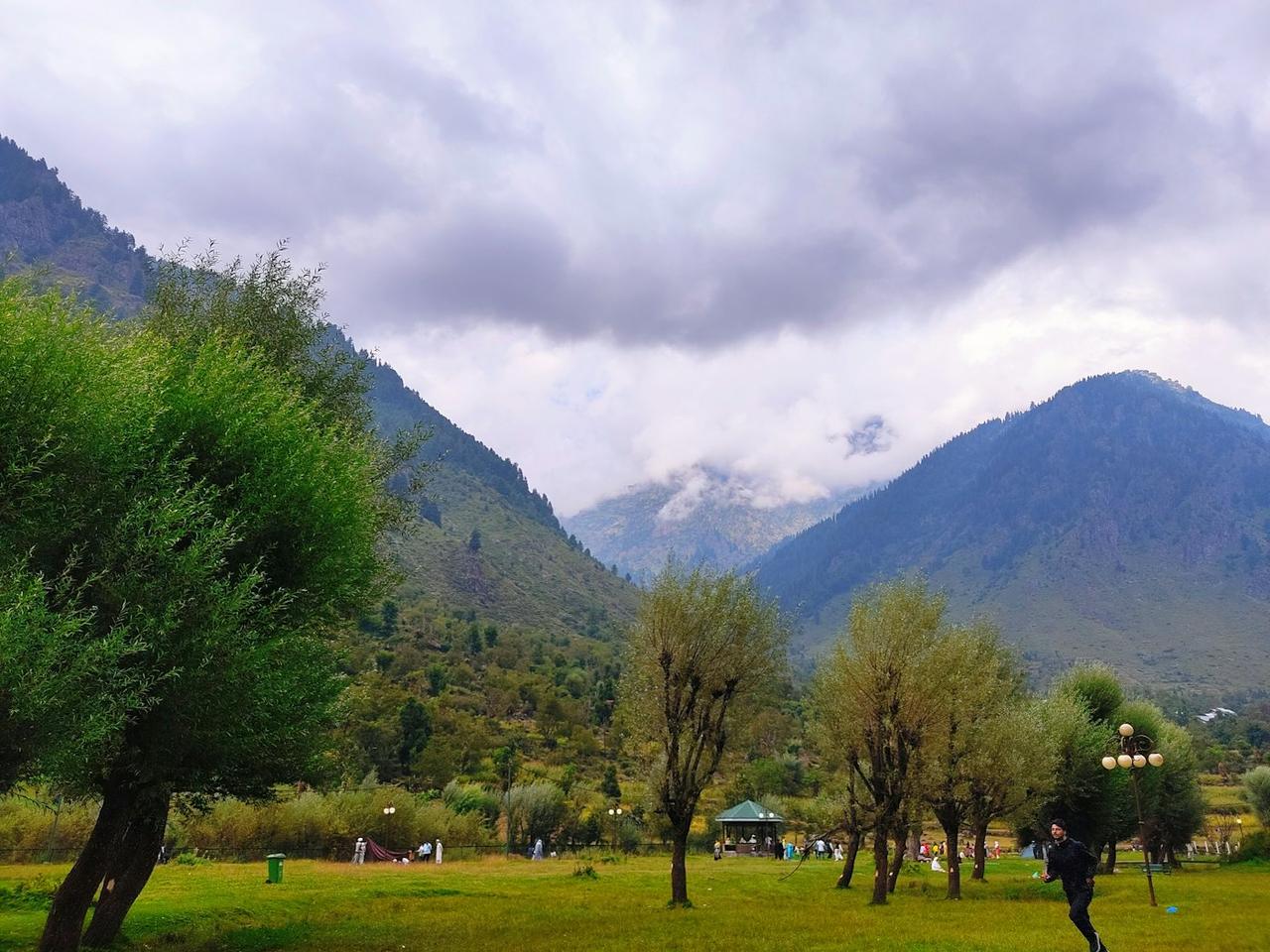
This is the busiest season, especially during school holidays. Srinagar is warm but not harsh, and the hill meadows are green and open. Pahalgam, with the Lidder river running through it, and Sonamarg, with its views towards Thajiwas glacier, are the classic summer stops.
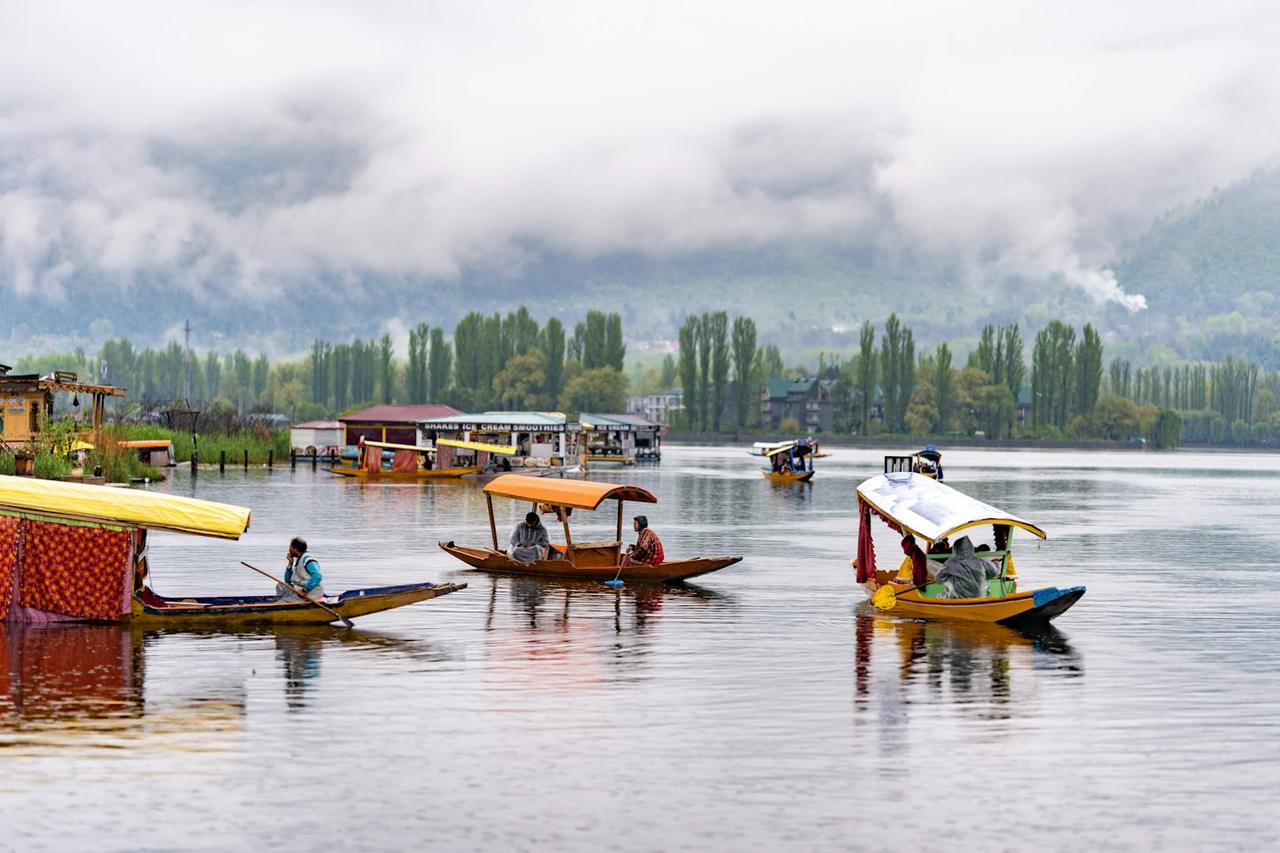
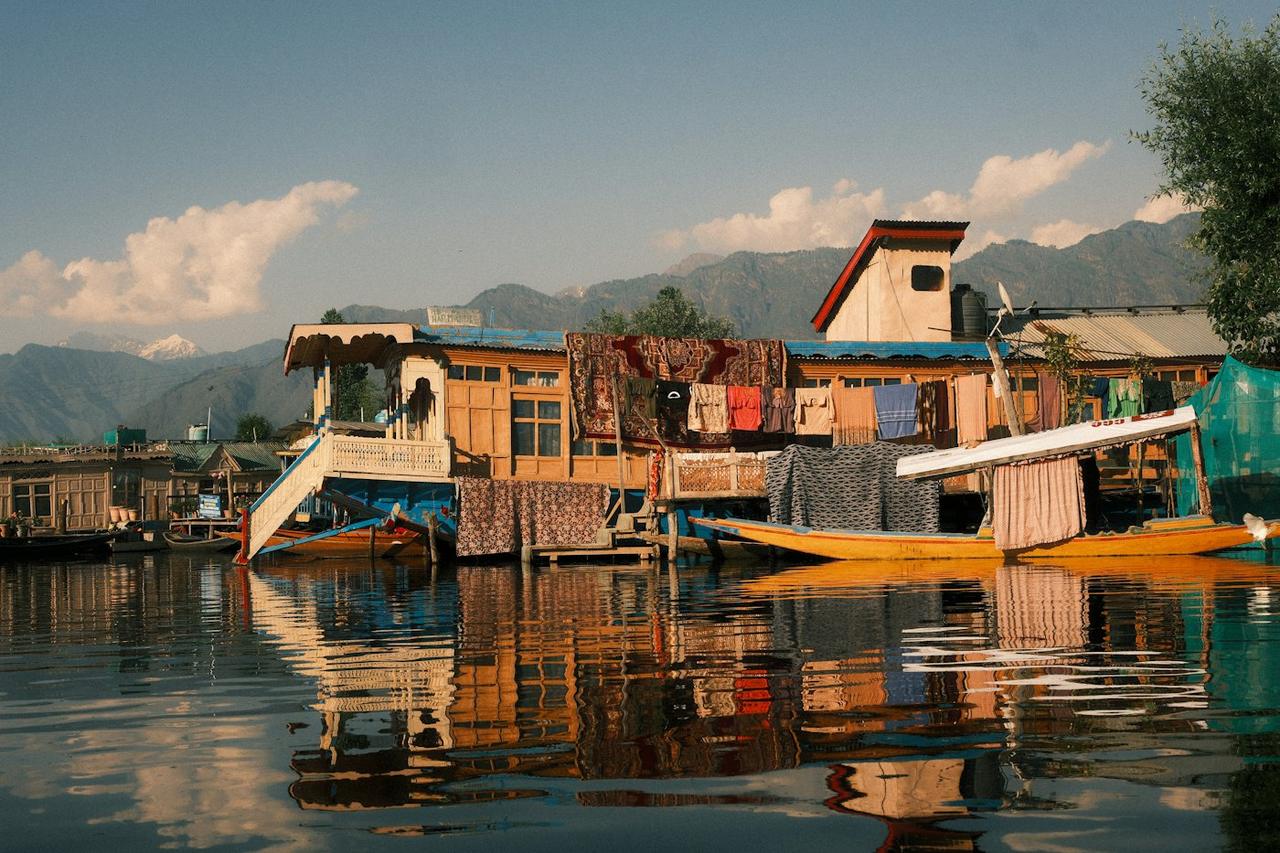
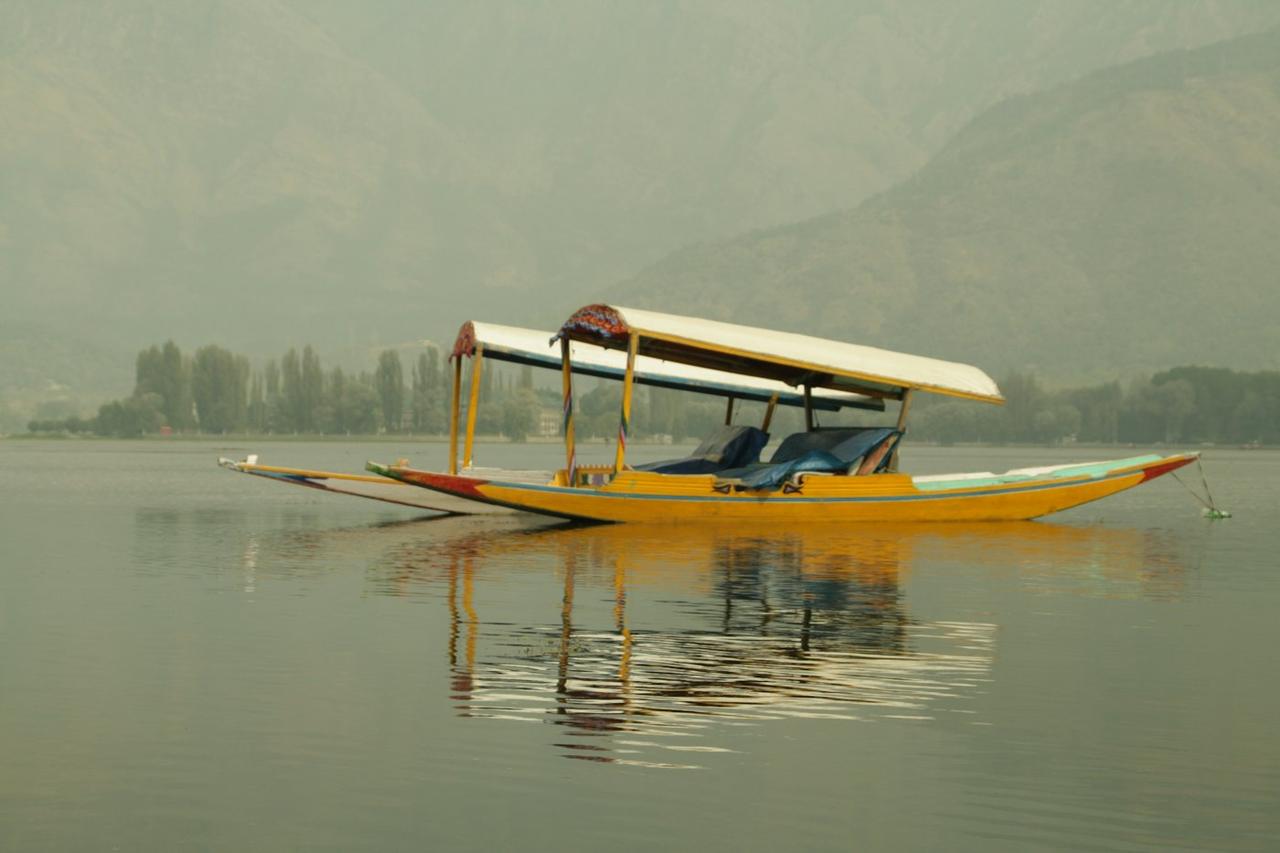
It is also the time for shikara rides at sunrise, when the floating vegetable market on Dal Lake is active, and for houseboat stays. Book early if you are travelling in May or June, as good houseboats and well-located hotels fill up.
Summer afternoons can bring short showers in the hills. Carry a light rain layer and keep some flexibility in your day.
Autumn: September to October
Many repeat visitors call this their favourite time. The air turns crisp, the sky is clear, and the chinar trees in Srinagar and around the valley turn red and gold. Crowds thin out after the summer rush, and the light is excellent for photography.
Apple and walnut season brings fresh produce to roadside stalls. Evenings get cold quickly, particularly in Pahalgam and Gulmarg, so pack warm layers from mid-October. Betaab Valley and the drive towards Pahalgam are especially pretty at this time.
Winter: December to February
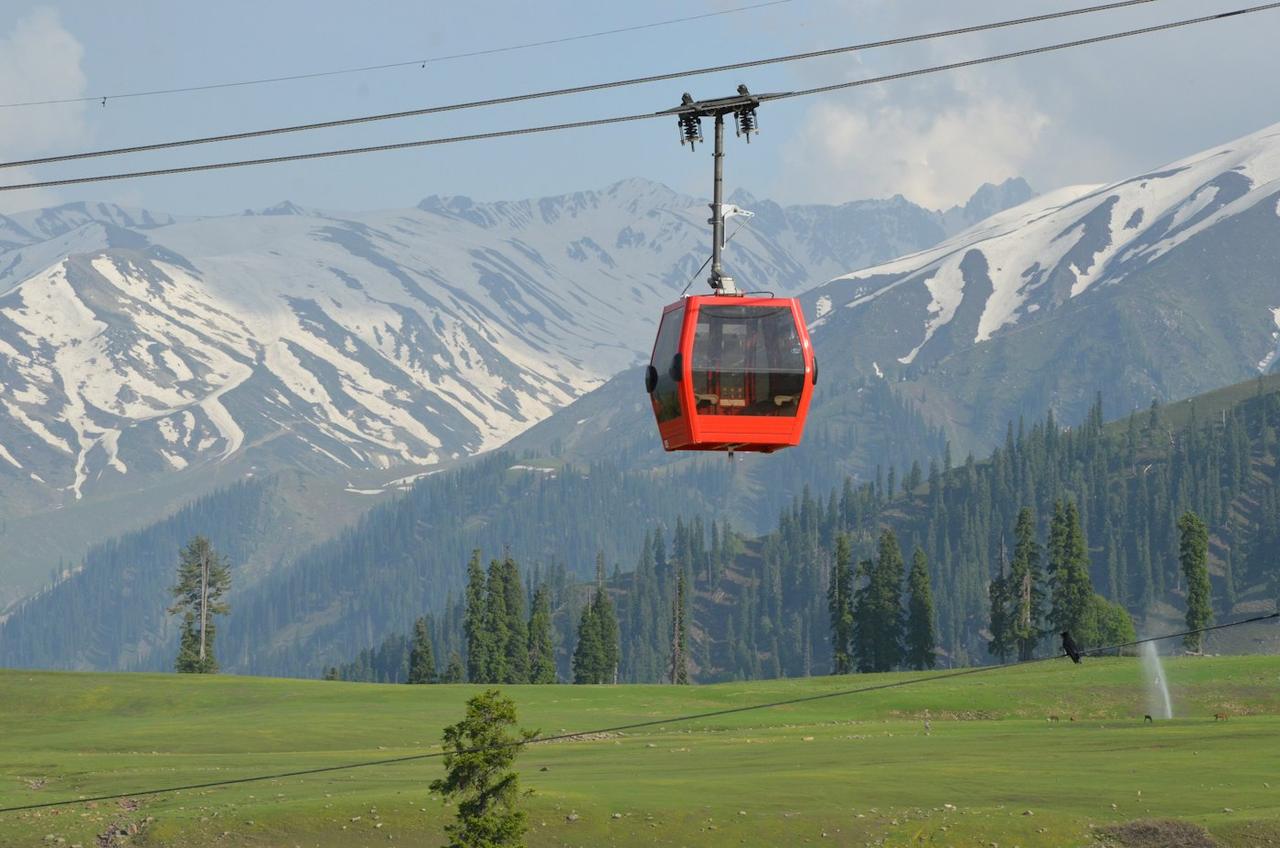
Winter is for snow. Gulmarg becomes a ski resort, and even if you do not ski, the gondola ride and the white slopes are a memorable day out. Dal Lake can look still and silver, and Srinagar has a quiet, cosy feel with kangri fire pots and hot noon chai, the pink salted tea.
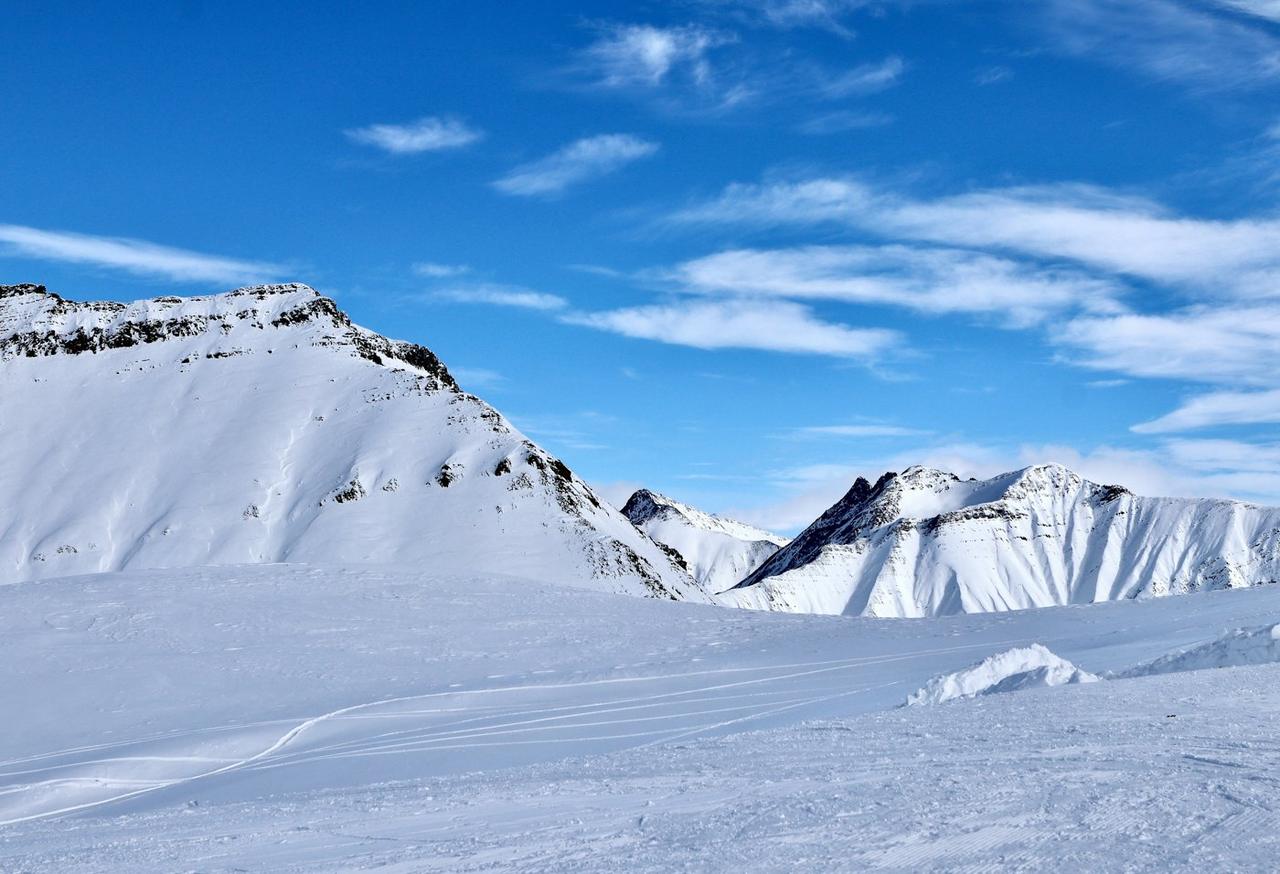
Expect cold, with temperatures often near or below freezing at night. Snowfall can delay flights and road travel, so keep a spare day in your plan and avoid tight connections. Not all high-altitude areas are accessible in deep winter, so confirm which places are open.
Which month suits which traveller
- Families with children: May, June or September, when weather is mild and roads are generally open.
- Honeymooners: April for gardens, or October for colour and quieter evenings.
- Snow seekers: January and February, with a clear plan for Gulmarg.
- Photographers: Late April for blossoms and October for chinar colour.
- Budget-minded travellers: Shoulder months such as late March, early September and November often cost less than peak summer.
Planning notes for Indian travellers
Most visitors fly into Srinagar from Delhi, Mumbai or Bengaluru, usually with a connection, and the flight is the practical way to arrive. Chennai travellers typically connect through Delhi or Bengaluru. Check current airline schedules rather than relying on old timings.
A good first trip is five to seven nights: two or three in Srinagar with a houseboat night, a day or two each in Gulmarg and Pahalgam, and Sonamarg as a day trip if time allows. Local taxis are the standard way to move between places, and your driver also acts as an informal guide.
Conditions in the region can change, and travel advisories are updated from time to time. Before you book, check current official guidance, road and weather updates, and permit requirements for any specific area you plan to visit. If you want help, we are happy to review dates with you.
What to pack
- Layers for every season, including a warm jacket even in summer evenings.
- Comfortable walking shoes with grip for gardens, ghats and snowy paths.
- Sunscreen and sunglasses, as the mountain sun is strong.
- Cash in small amounts for shikara rides, shops and stalls, though many places accept digital payments, and mobile networks can be patchy in the hills.
- A power bank for long drives and cold nights.
Final thought
Pick the season that fits your idea of Kashmir: flowers, green meadows, golden leaves or snow. Then build the rest of the trip around it, with time to sit by the lake as well as to travel. Read more about the valley on our Kashmir destination page, compare it with other hill regions in our Himachal guide, or look at our group tours if you prefer a ready plan. Our Kashmir trips are listed on the destination page whenever you are ready to compare dates.
Written by the Indian Rounds Team. Travel rules, prices and conditions change, so please check current details with the official source or ask us before you book.
Plan Kashmir with us
Tell us your dates and budget and we will suggest the right trip.