How to plan a first safari in Tanzania: the northern circuit parks, when the Great Migration is where, how many days to allow, and how to add Zanzibar at the end.
Quick facts
- Best time
- June to October for dry-season game viewing
- Ideal stay
- 6 to 8 nights on safari, plus 3 to 4 for Zanzibar
- Getting there
- Fly into Kilimanjaro or Arusha via the Gulf or East Africa
- Good for
- Wildlife, landscapes, honeymoons, families with older children
- Budget style
- Mid to high, safari costs are significant
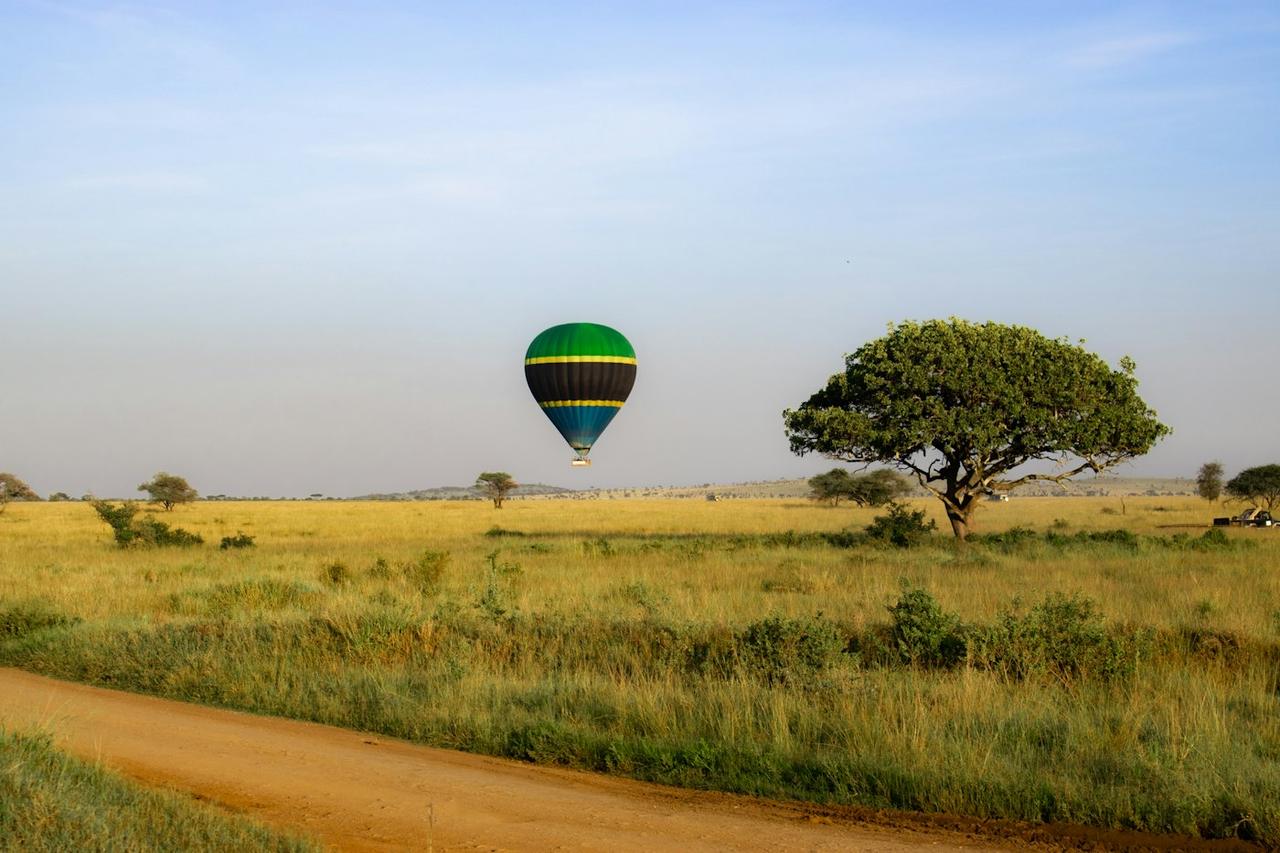
For a first safari in Tanzania, the northern circuit is the easiest and most rewarding choice. It links Tarangire, Lake Manyara, the Serengeti and the Ngorongoro Crater, and takes about six to eight nights. Add a few days of beach on Zanzibar if you want to end with some rest.
The northern circuit at a glance
Tanzania has several great parks, but first-timers usually begin in the north because the roads, lodges and flights are well established, and because the wildlife is easy to spot.
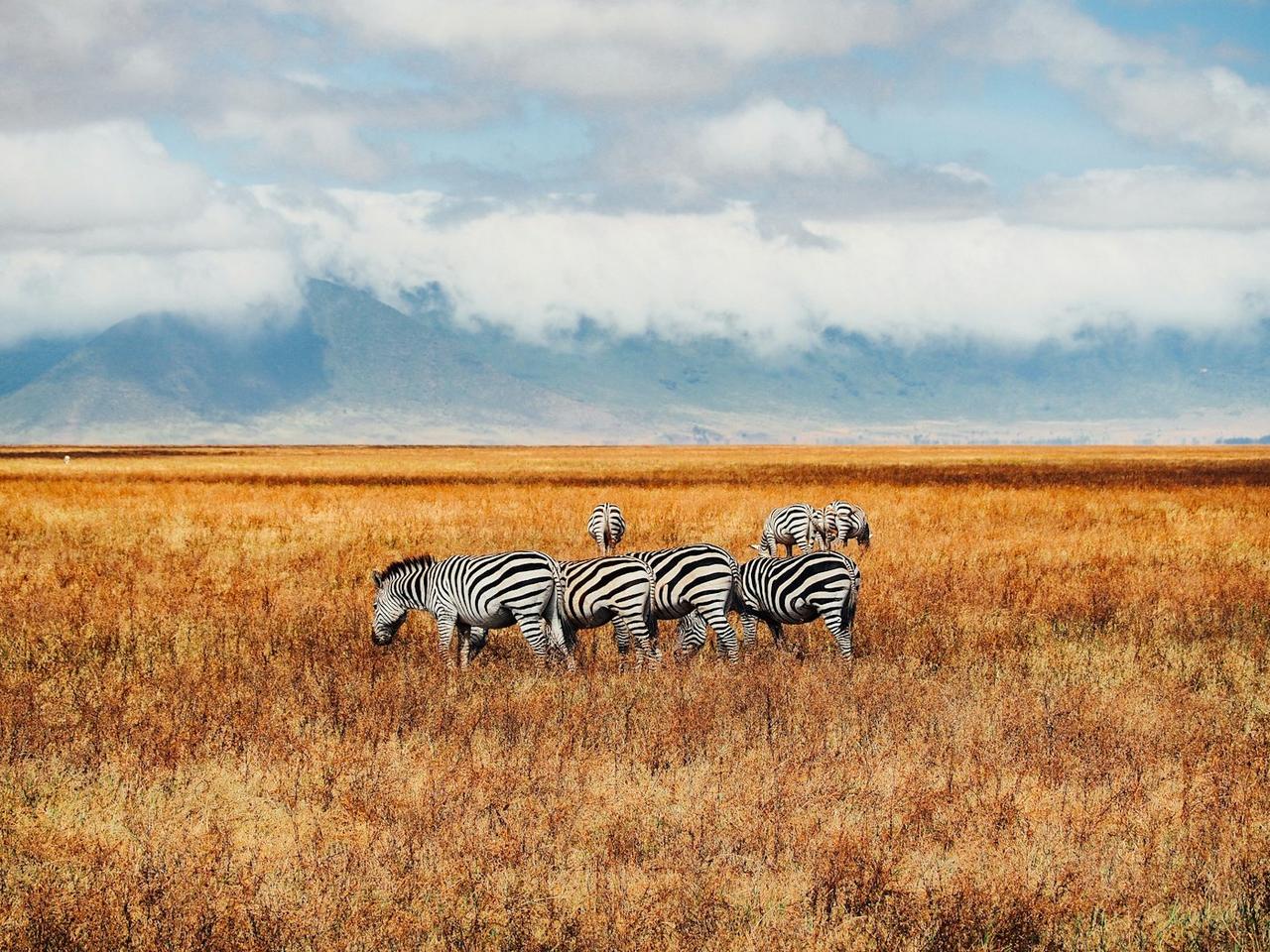
- Tarangire National Park: Known for large elephant herds and giant baobab trees. It is especially good in the dry months, when animals gather around the river.
- Lake Manyara National Park: A smaller park with a lake, forest and, with luck, tree-climbing lions. It makes a gentle first stop.
- Serengeti National Park: The classic. Its endless plains hold lions, cheetahs, leopards, elephants, giraffes and the famous wildebeest herds.
- Ngorongoro Conservation Area: Home to the Ngorongoro Crater, a vast volcanic caldera with a high concentration of wildlife in a compact area. Visits are usually a half-day descent from the rim.
How many days do you need
A rough guide:
- Four nights gives you a taste, such as Tarangire or Manyara, the Serengeti and Ngorongoro, though with a lot of driving.
- Six nights is a comfortable sweet spot, allowing two nights in the Serengeti.
- Eight nights lets you spend longer in the Serengeti or add Tarangire and Manyara without rushing.
Distances in Tanzania are long and some roads are rough, so more nights in fewer places generally beats a tight loop. Some operators offer light-aircraft flights between parks, which saves time but costs more.
The Great Migration, in plain terms
Every year, huge herds of wildebeest and zebra move in a loop through the Serengeti and into Kenya's Masai Mara, following the rains and fresh grass. They are in different parts of the ecosystem at different times, so where you stay matters more than which month you choose.
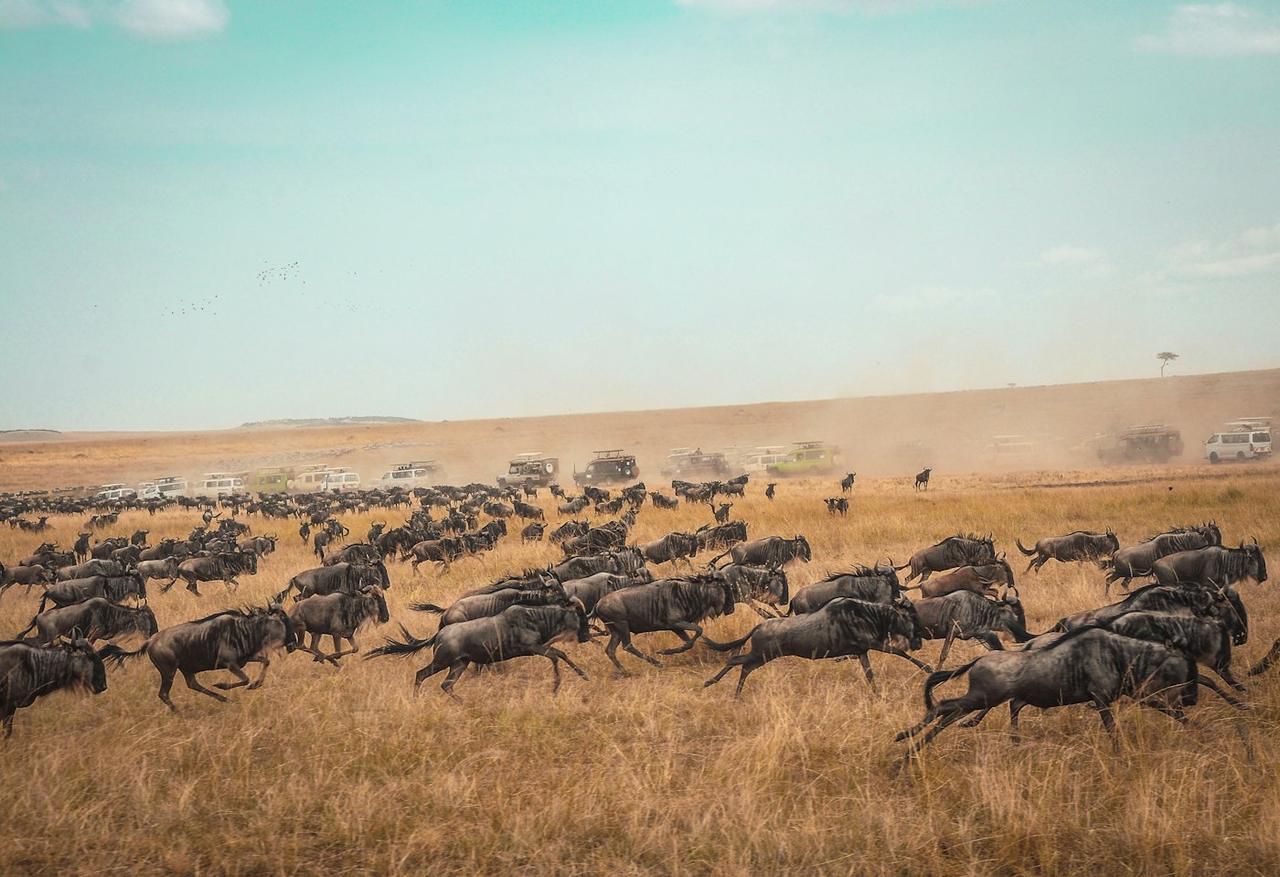
In broad terms, the herds are in the southern plains around the calving season early in the year, move through the central and western areas in the middle, and head north toward the Mara later. The exact timing and routes change from year to year with the rains, so no operator can guarantee sightings. If seeing the migration is your main reason for going, ask for current advice when you plan.
The Serengeti has resident wildlife all year, so a safari there is worthwhile in any season.
Best time to go
The dry season, roughly June to October, is the most popular for first-timers. Animals gather around water, grass is shorter and roads are in better condition. It is also the busiest and priciest period.
The green months, roughly November to May, have more rain, fewer visitors and lush scenery. Some roads can get muddy, and the long rains (around March to May) are the quietest. Birdwatching is excellent in the green season.
What a typical day looks like
Safaris run on animal schedules. You start early, often before sunrise, for a morning game drive when cats are active. After a late breakfast or a bush picnic, there is a break at the lodge or camp in the heat of the day. A second drive follows in the late afternoon. Many people find this rhythm easy, and the time in vehicles is part of the pleasure. Binoculars make a big difference.
Accommodation ranges from simple tented camps to comfortable lodges. In the Serengeti, mobile or seasonal camps move to follow the herds. Food is typically good, and vegetarian options are usually possible if arranged in advance.
Adding Zanzibar
Many travellers finish with a few nights on Zanzibar, which has white-sand beaches and the historic Stone Town, with its carved doors, spice stories and old Swahili architecture. It is a good way to rest after long drives, and it appeals to couples looking for a safari-plus-beach combination. For ideas, see our honeymoon packages.
Practical points for Indian travellers
- Visa and entry: Rules can change, so check the current requirements with the official source or with us.
- Health: Check current vaccination and malaria guidance with your doctor well before departure. Yellow fever documentation can be required depending on your route, so confirm it.
- Flights: There is usually a connection via the Gulf or East Africa from Mumbai, Delhi, Bengaluru or Chennai.
- Safety: Follow your guide's instructions, stay inside the vehicle where told to and never approach animals.
- Money: Carry some US dollars in newer notes and use cards in towns. Tipping guides and camp staff is common, so ask what is appropriate.
Safari is easier to enjoy with an experienced operator, since vehicles, permits and park fees need to be arranged in advance. If you also like markets and old towns, you might enjoy our guide to Morocco's imperial cities for another long-haul idea.
You can browse our Tanzania trips, join a group tour or ask for a custom trip built around your dates.
Written by the Indian Rounds Team. Travel rules, prices and conditions change, so please check current details with the official source or ask us before you book.
Plan Tanzania with us
Tell us your dates and budget and we will suggest the right trip.