How to combine Bangkok's temples, Phuket's islands and Chiang Mai's hills in 8 to 10 days, with sensible flight routing and a day-by-day outline.
Quick facts
- Best time
- November to February is the most comfortable
- Ideal stay
- 8 to 10 nights
- Getting there
- Direct and one-stop flights from major Indian cities to Bangkok or Phuket
- Getting around
- Short domestic flights between the three bases
- Good for
- Families, friends, couples
Bangkok, Phuket and Chiang Mai make a very good first trip to Thailand, and eight to ten nights is enough to do all three without rushing. Spend three nights in Bangkok, four on Phuket and its islands, and two or three in Chiang Mai, using short domestic flights to link them.
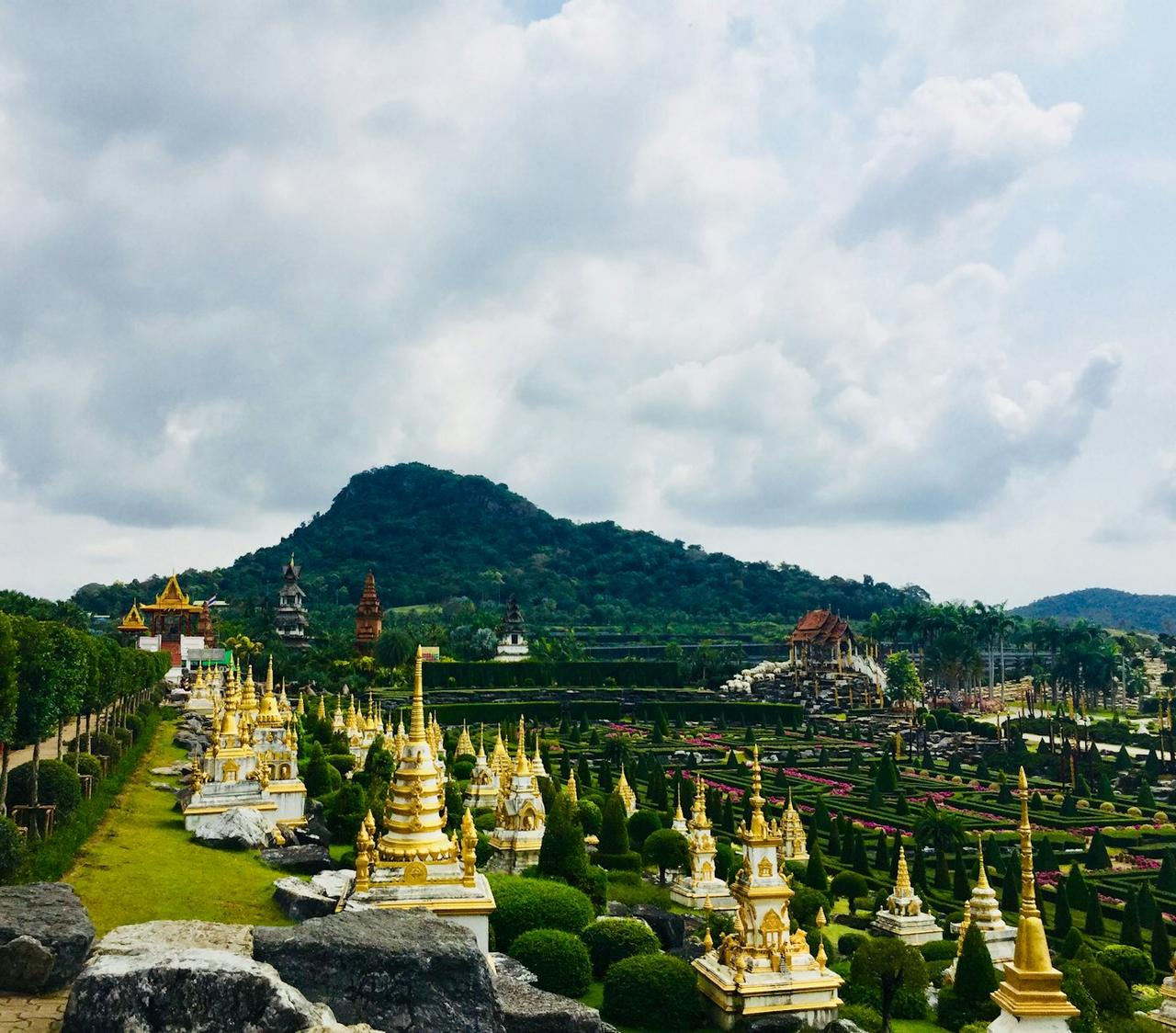
Each place offers something different: Bangkok has palaces, markets and food, Phuket has sea and sand, and Chiang Mai has temples, mountains and a gentler pace. The order matters because of how flights work, so we will cover that first.
Choosing your route
Indian travellers can usually find direct flights to Bangkok from several metros, and some routes to Phuket as well, though schedules change, so check what is currently operating. The cleanest plan is often an open-jaw: fly into Bangkok, then fly out of Phuket (or the reverse), so you never backtrack.
A typical order is:
- Bangkok for 3 nights
- Chiang Mai for 2 to 3 nights (a short domestic flight north)
- Phuket for 4 nights (a domestic flight south, often via Bangkok)
- Fly home from Phuket
Putting the beach last gives you a restful finish. If you are travelling with older relatives, you may prefer to drop Chiang Mai and spend more time in Bangkok and Phuket.
Bangkok: temples, rivers and food
Start with the Grand Palace and Wat Phra Kaew, which need modest dress, so cover shoulders and knees. Then see Wat Pho with its reclining Buddha and cross the river by ferry to Wat Arun. Allow a half day, and go early before the heat builds.
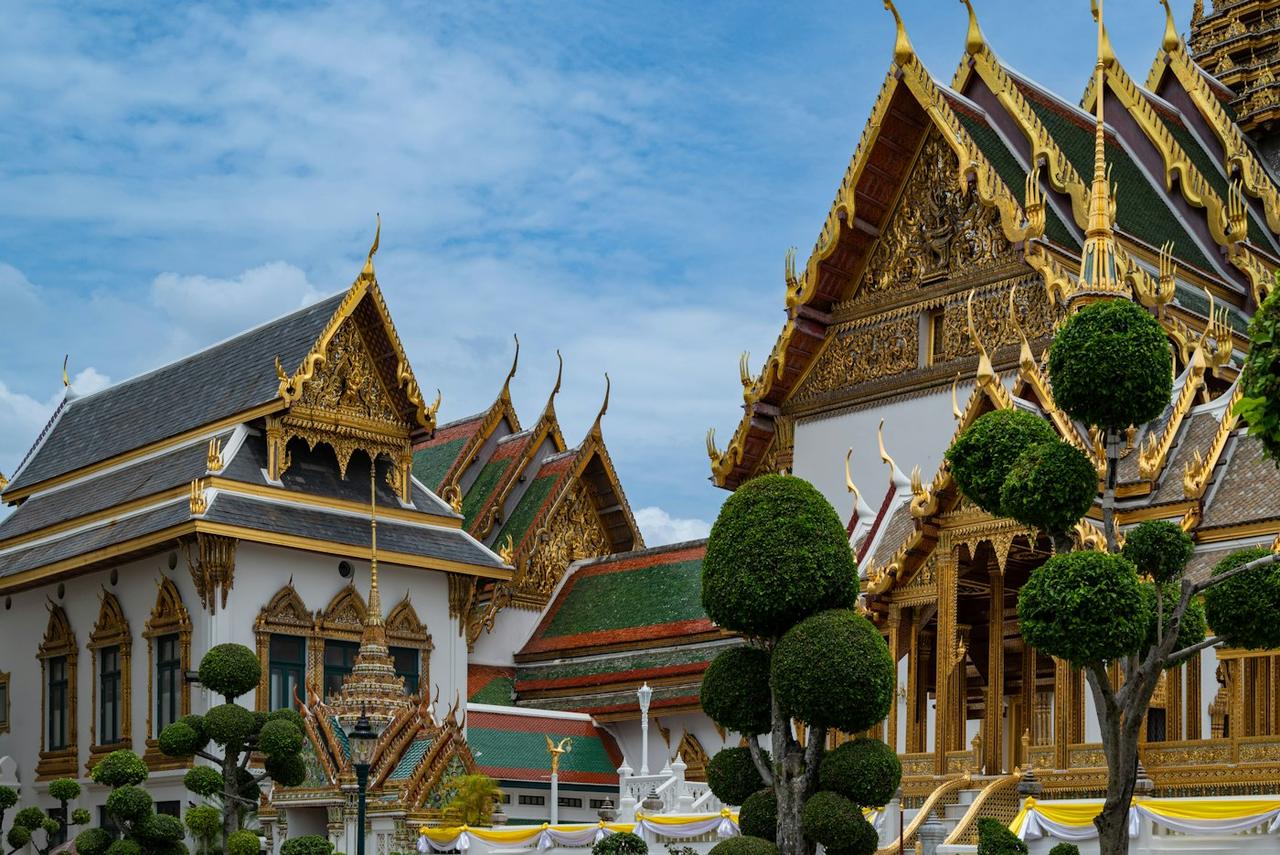
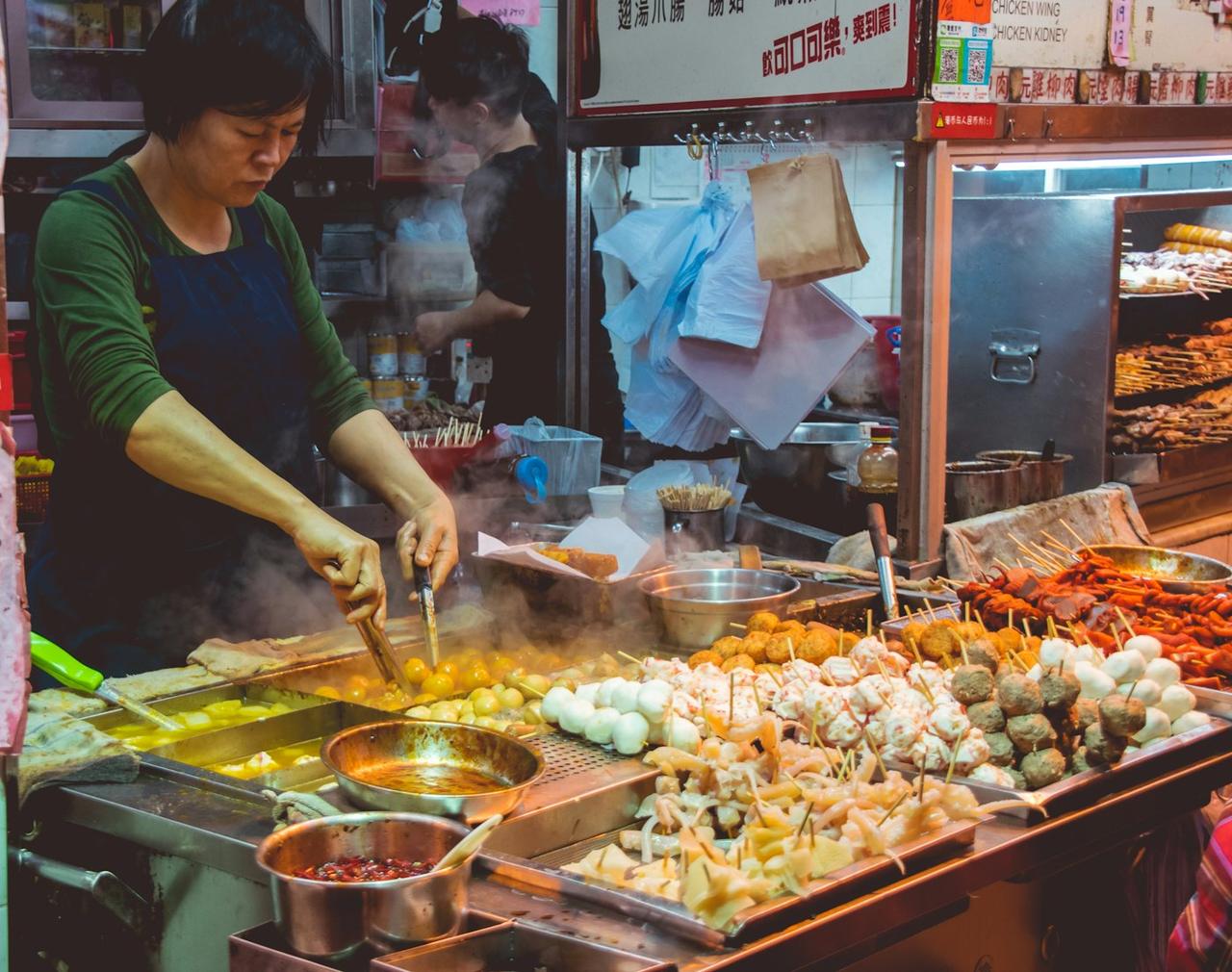
The rest is about exploring. Take a longboat or river ferry, wander Chinatown's Yaowarat Road in the evening for street food, and visit a big weekend market if your dates allow. For shopping, Bangkok's large malls and night markets suit different budgets. The BTS Skytrain and MRT metro are the easiest ways to dodge the traffic.
If you want a day trip, the floating markets and the old capital of Ayutthaya are both popular, though they take most of a day. Our guide to street food in Bangkok and Phuket covers what to try.
Chiang Mai: temples, hills and slower days
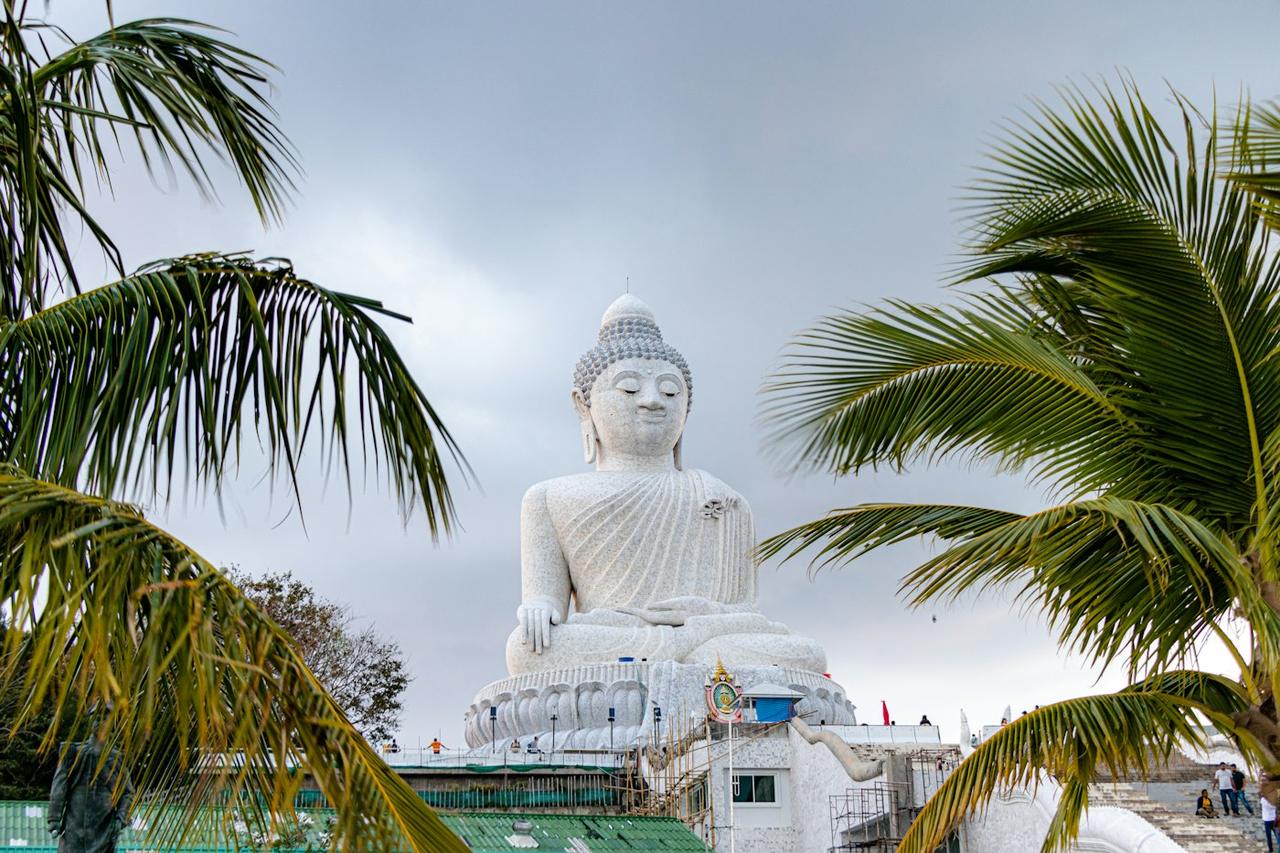
Chiang Mai's old city is walled and moated, filled with temples and small cafes. Wat Phra That Doi Suthep sits on a hill above the city and is reached by a long staircase or a short ride up. Visit in the morning for clearer views.
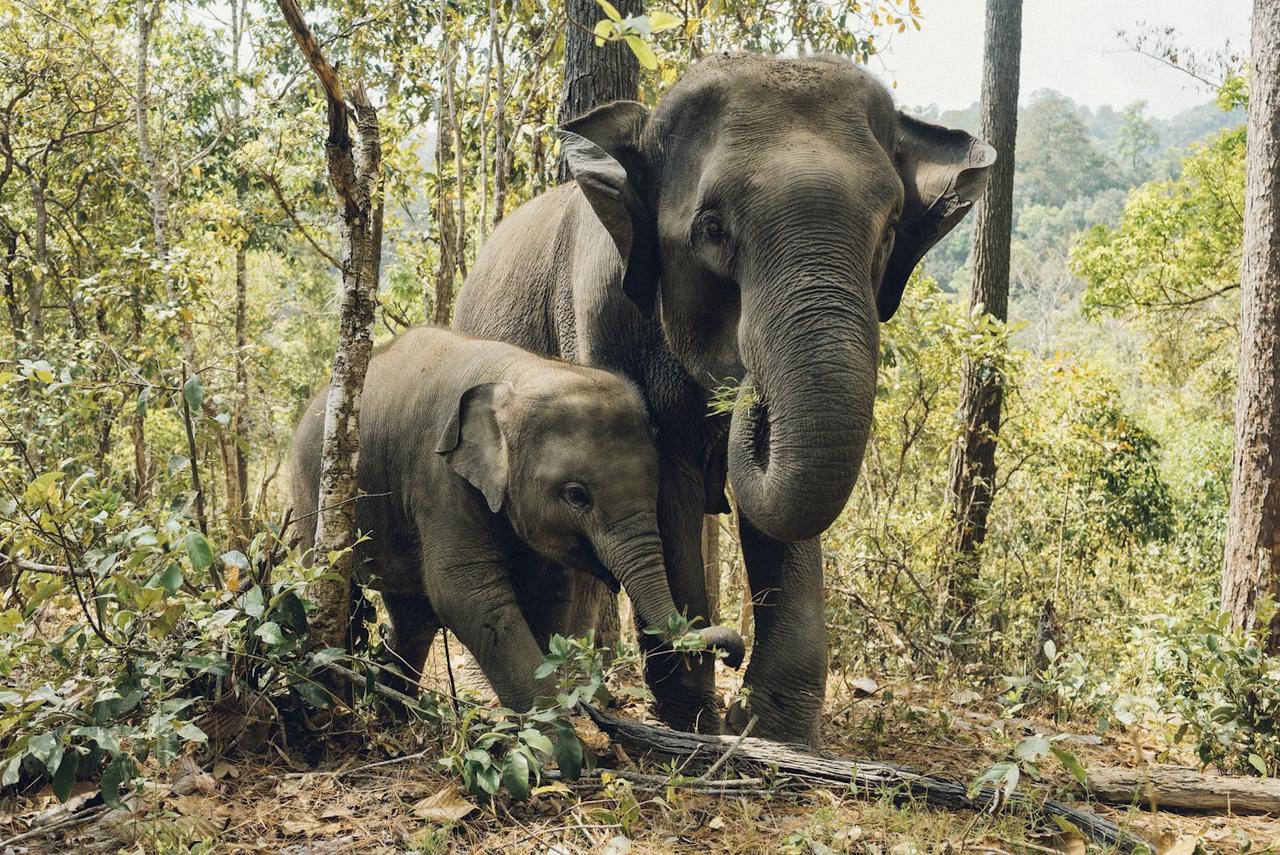
Another popular activity is time at an ethical elephant sanctuary. Choose operators that keep a no-riding, hands-off approach, and ask how they treat their animals before you book. Evenings are good for the night markets and a bowl of khao soi, the curry noodle soup of the north.
Phuket: beaches and islands
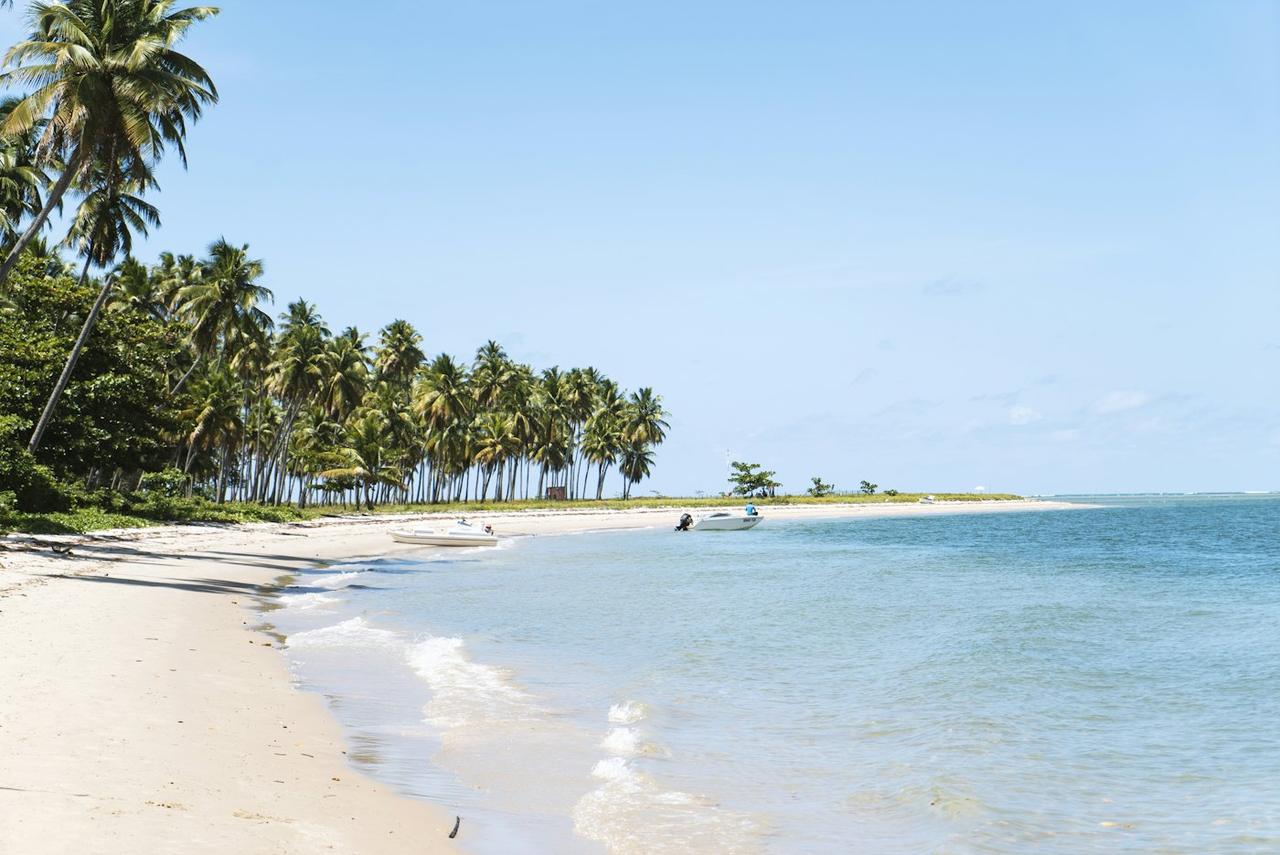
Phuket is the easy resort part of the trip. Patong is lively and busy, while Kata, Karon and Kamala are calmer, and the quiet west coast beaches are better for families. Phuket Old Town has colourful Sino-Portuguese shophouses, cafes and weekend food markets, and is worth an evening.
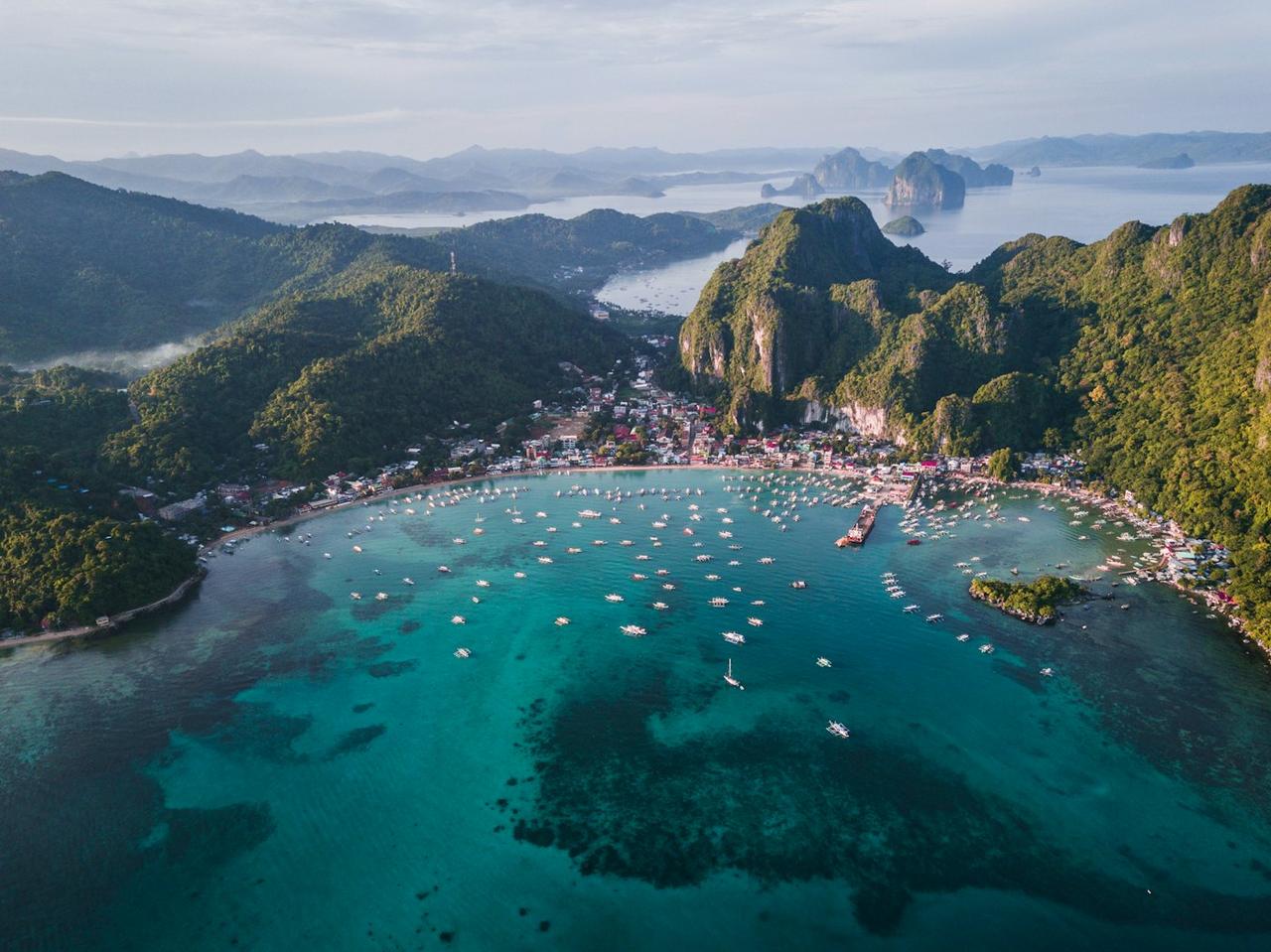
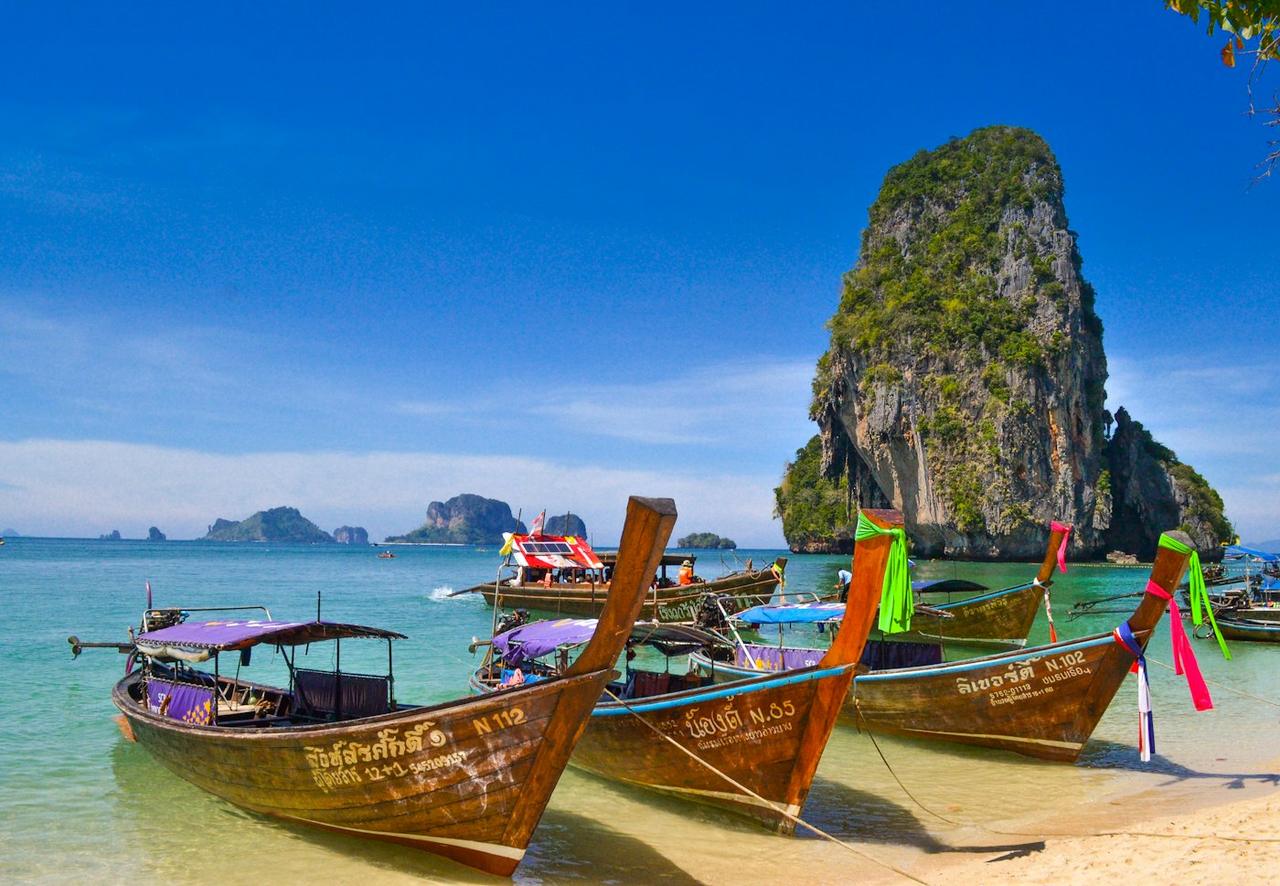
From Phuket you can take a boat day trip to the Phi Phi islands, or to Phang Nga Bay with its limestone cliffs. Seas can be rough in the monsoon months, so boat trips may be cancelled or restricted. Always listen to boat crew on life jackets and conditions.
When to go
The cooler, drier months from roughly November to February are the most comfortable and the busiest. Hotter weather builds from March to May, and the monsoon brings rain from around June to October, particularly on the Andaman coast around Phuket. Northern Thailand has its own seasons, and burning season haze can affect Chiang Mai in the early part of the year. Plan around these broad patterns and check current conditions before you book.
Practical points
- Visa and entry rules for Indian passport holders can change, so please check the current requirements on the official source or with us.
- Carry some Thai baht for markets and small shops, and check your card's overseas charges.
- Keep luggage light, as domestic flights have their own baggage limits.
- Dress modestly at temples and remove shoes where asked.
- Travel insurance is advisable for any trip with island activities.
If you are travelling with friends or family, a small group is often the easiest way to handle the logistics. See how our group tours work, or ask for a custom trip if you want to change the order or length. You can also read more on our Thailand page.
Have a look at our Thailand trips if you would like this route planned around your dates.
Written by the Indian Rounds Team. Travel rules, prices and conditions change, so please check current details with the official source or ask us before you book.
Plan Thailand with us
Tell us your dates and budget and we will suggest the right trip.