A month-by-month guide to where to travel in India: the hills in summer, the south in winter, deserts in the cooler months and what to avoid in the monsoon.
Quick facts
- Cool and dry
- November to February
- Hill season
- March to June
- Monsoon
- roughly June to September
- Shoulder months
- October and March
- Planning
- Pick dates first, then the region
There is no single best month for India, because the country has several climates at once. As a rule, the plains, deserts and south are most comfortable from November to February, the Himalayan hills shine from March to June, and the monsoon months suit green, quiet places such as Kerala and the Western Ghats, rather than high mountain roads.
Weather varies every year, so treat the months below as broad patterns and check conditions close to your dates.
How India's seasons work
India has roughly three seasons for travellers. Winter (November to February) is cool and dry across the north and pleasant in the south. Summer (March to June) is hot in the plains and ideal for the hills. The monsoon (roughly June to September) brings heavy rain to most regions, arriving first in the south and west.
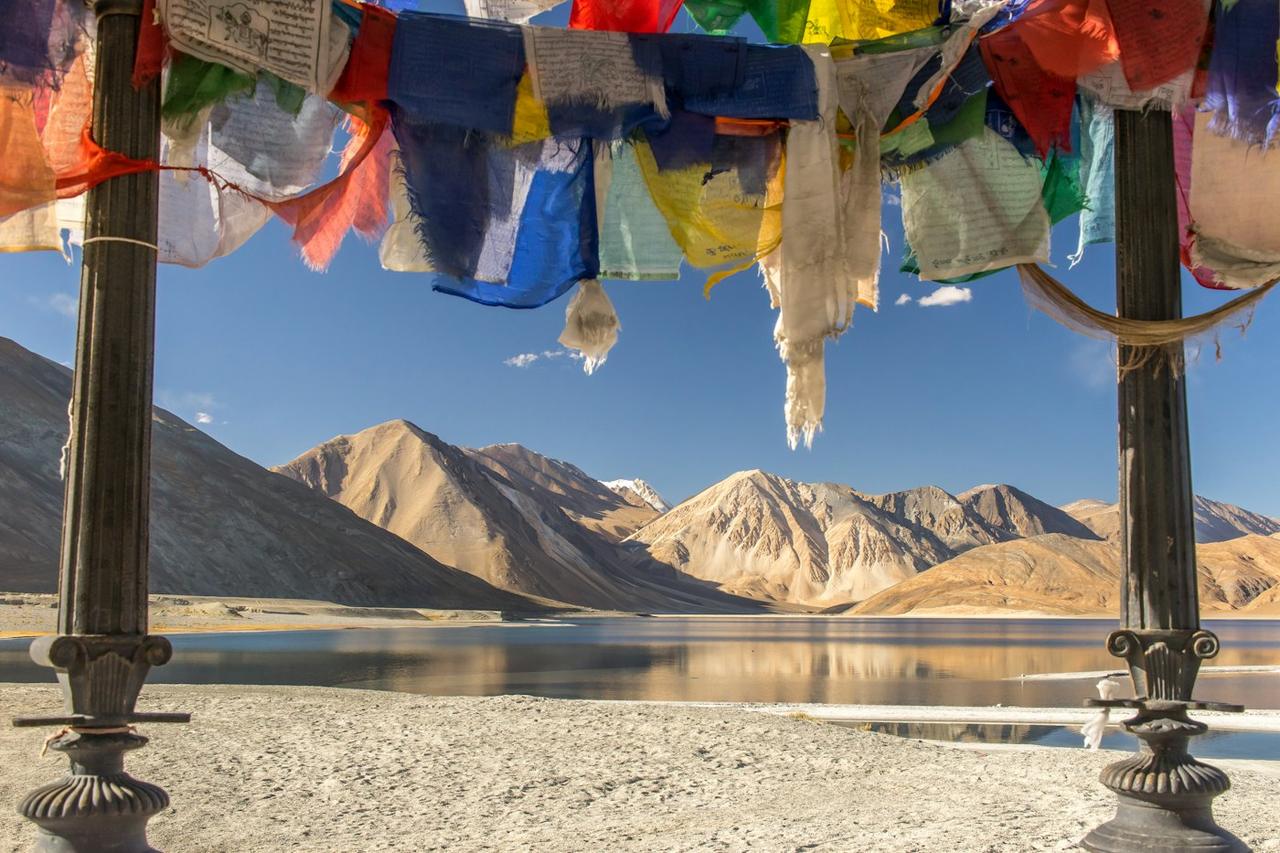
Two regions break the pattern. Parts of Tamil Nadu and the southeast coast get much of their rain in the north-east monsoon, around October to December. High-altitude regions such as Ladakh and Spiti are mostly accessible in the warmer months, because winter snow closes roads.
Month by month
- January: Cold in the north, with fog on the plains. Good for Rajasthan, Goa, Kerala and the Andamans. Snow in Kashmir and the upper Himalaya.
- February: One of the best months for Rajasthan, Kerala and Goa. Hill stations are still chilly.
- March: Warming up. Good for Sikkim, Darjeeling and the lower Himalaya as flowers bloom. Rajasthan heats up late in the month.
- April: Hill stations in Himachal and Uttarakhand fill up. Plains are getting hot. The Kashmir valley is in spring.
- May: Peak summer break for the hills. Ladakh roads typically open around this time, but conditions vary.
- June: The south-west monsoon starts in Kerala and moves north. Ladakh is busy and the hills still work early in the month.
- July: Heavy rain in the west and across the Himalaya. Ladakh and Spiti are drier than most hill regions, while landslides are a concern elsewhere.
- August: Green landscapes in the Western Ghats and Kerala. Be flexible with plans in hill states.
- September: The monsoon eases. A good time for Ladakh and for the first rain-washed greenery in Rajasthan.
- October: A strong all-rounder, with clear skies in the hills and the festival season starting. Book early.
- November: Excellent for Rajasthan, Gujarat, Goa, Kerala and the Andaman Islands.
- December: Peak season for beaches and the south. Snow trips in Kashmir and Himachal, with higher prices around Christmas and New Year.
Where to go in each season
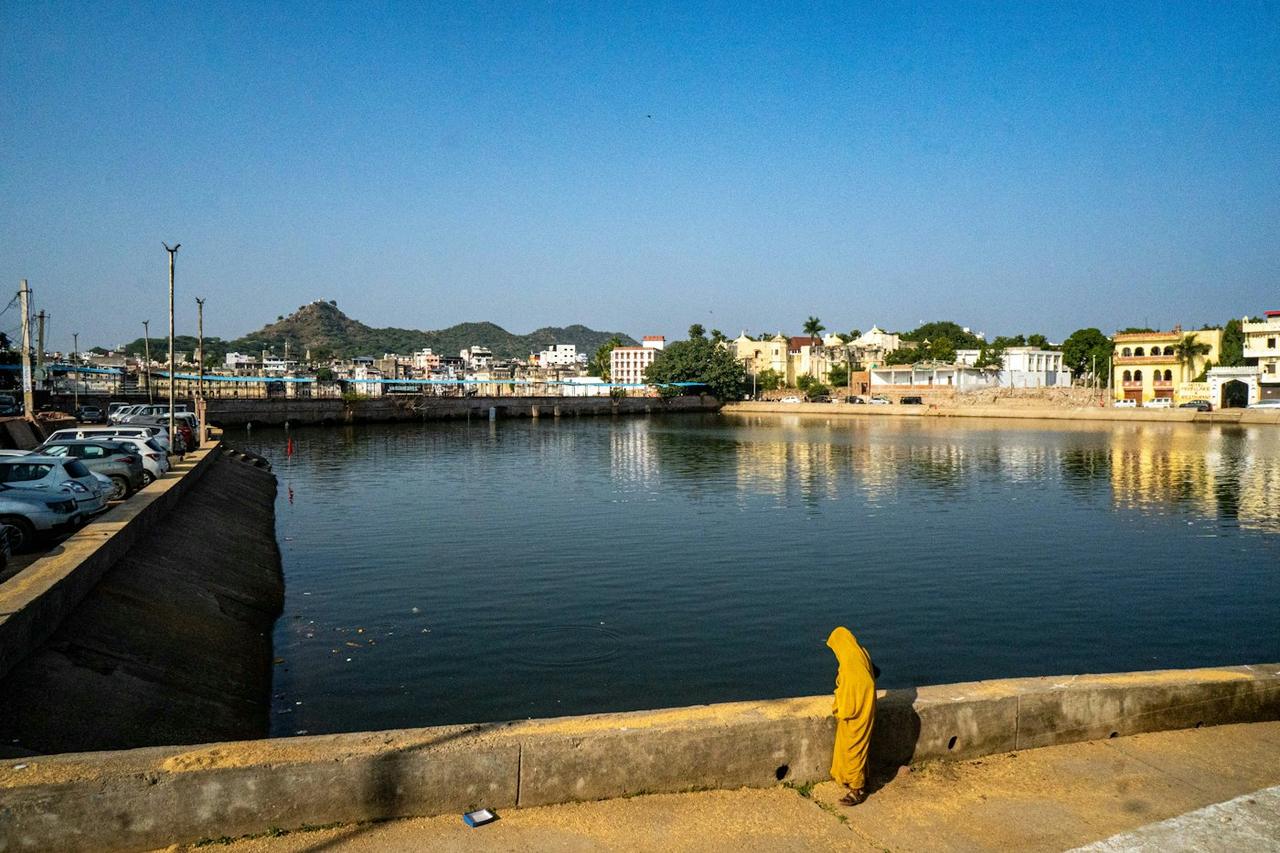
November to February: Rajasthan's forts and deserts, Kerala's backwaters, Goa's beaches and the Andaman Islands are all comfortable. Our guides to Rajasthan in seven days, Kerala in five days and the Andaman Islands cover these in detail.
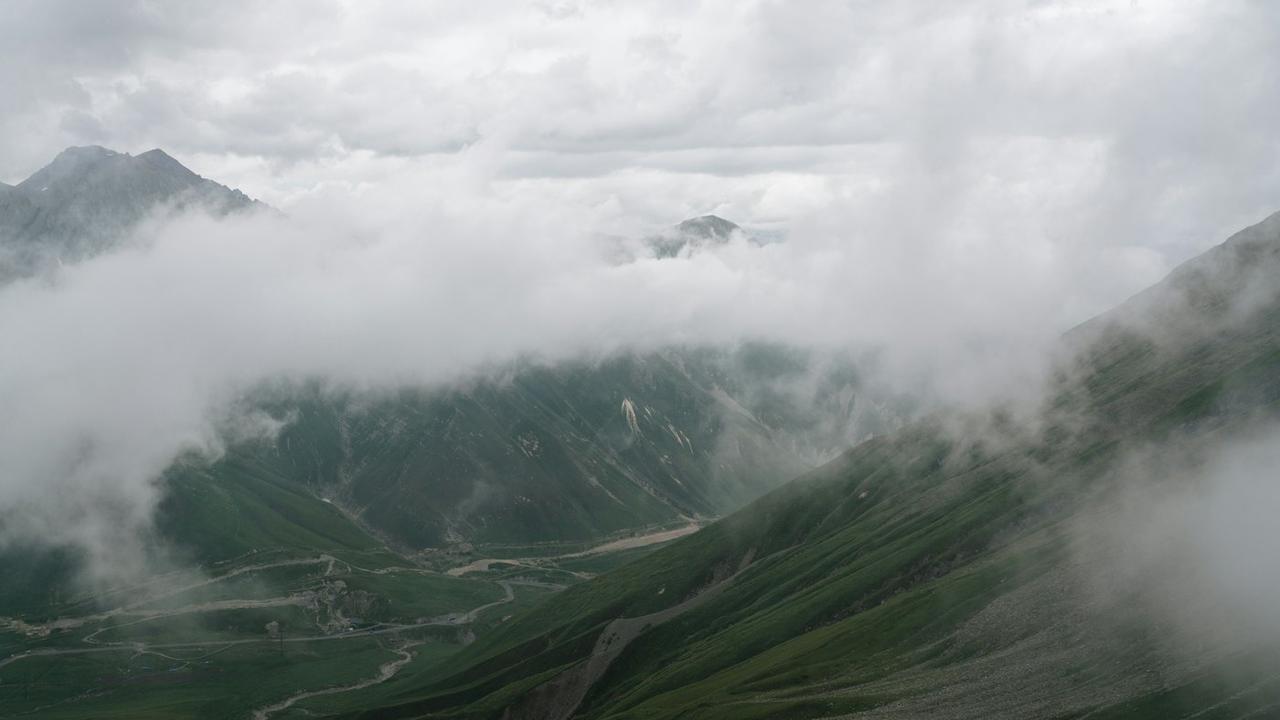
March to June: This is the time for hill stations and the high Himalaya. Sikkim, Himachal, Uttarakhand, Kashmir and Ladakh come into their own. See our guides on Kashmir and Ladakh.
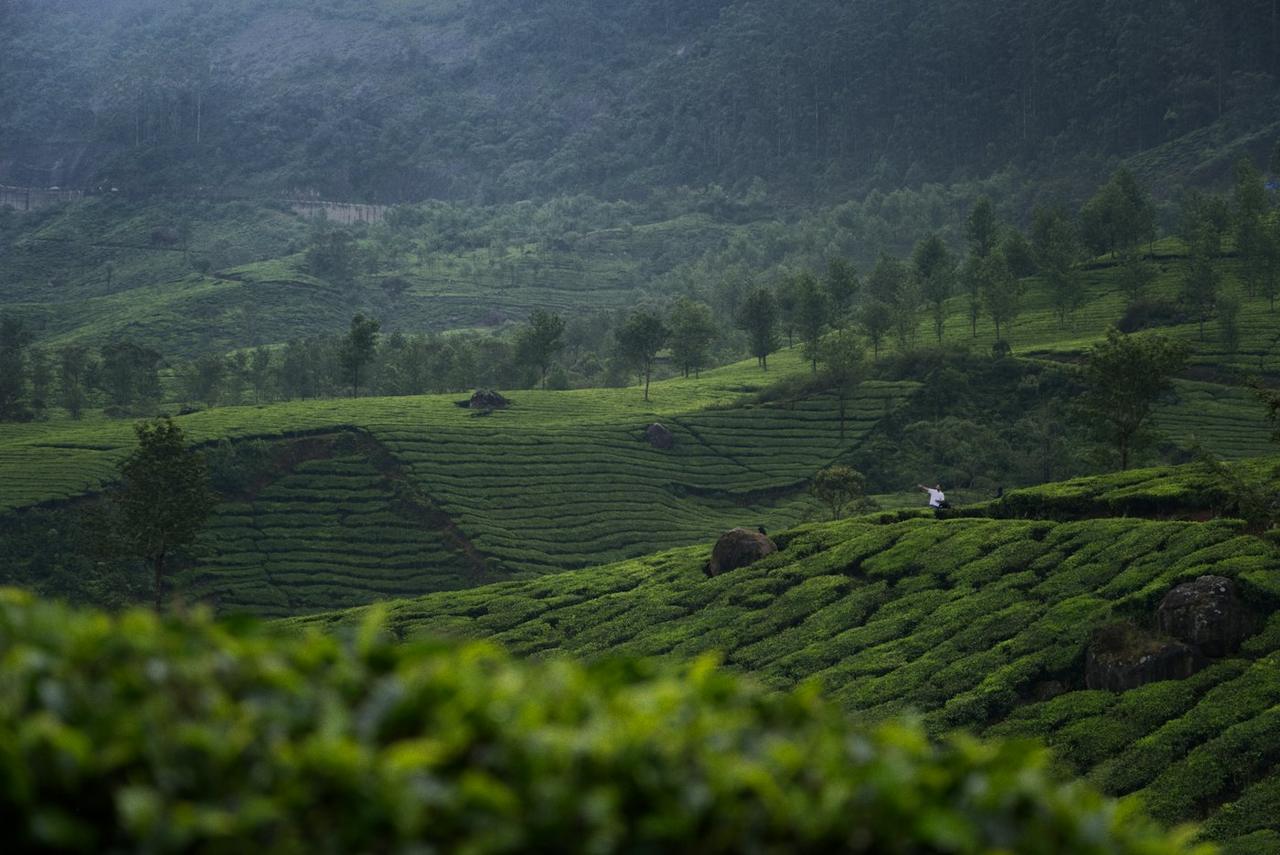
July to September: Choose carefully. Kerala's monsoon is popular for Ayurveda and quiet backwaters, Ladakh works in its dry season, and the Western Ghats turn green. Avoid long road trips in the central Himalaya and the north-east, where landslides are common.
The north-east and the islands
Meghalaya and Sikkim are best from October to April, with a second window in spring for flowers in Sikkim. Their monsoon is heavy. The Andaman Islands are generally best in the drier months, roughly November to April, while the sea can be rough and ferries unreliable in the rains.
Shoulder months can be smart
October and March sit between seasons. Crowds are smaller and prices can be lower than at peak times, though weather is less predictable. For flexible travellers, these months often give the best balance.
Planning around your own calendar
Start with your dates, then pick the region, rather than the other way round. If you have only a long weekend in monsoon season, a weekend escape to a nearby green hill or coast is often easier than a long trip. If you are travelling for a special occasion, see our honeymoon trips for ideas that fit the season.
Always check current road, permit and weather conditions before you travel, since they can change quickly.
For trips matched to the season, browse Explore India or our group tours, and we can help you pick a month that suits your plans.
Written by the Indian Rounds Team. Travel rules, prices and conditions change, so please check current details with the official source or ask us before you book.
Plan your trip with us
Tell us your dates and budget and we will suggest the right trip.