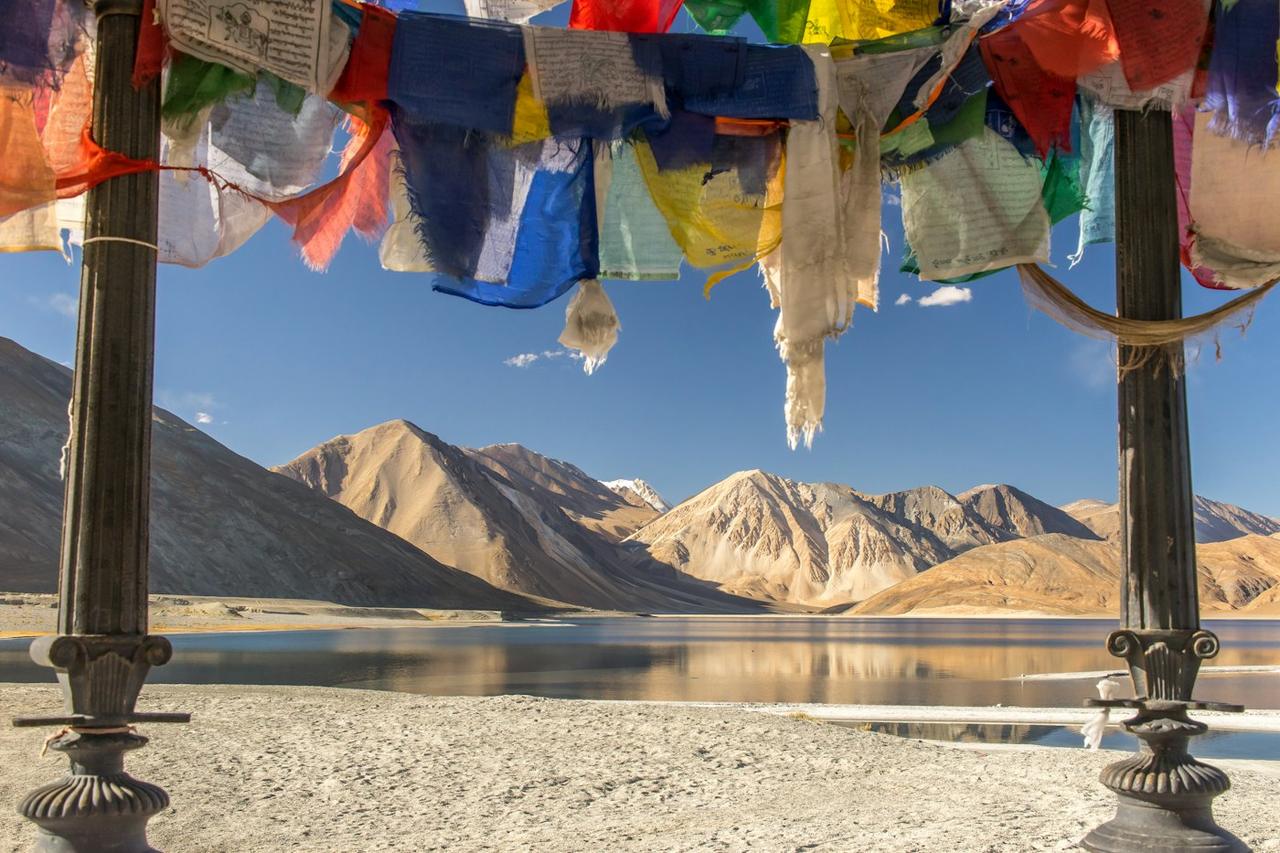
How to plan Ladakh sensibly: when the roads and passes are open, how to acclimatise in Leh, what to expect on the road to Pangong and Nubra, and how many days to allow.
Quick facts
- Best time
- May to September
- Ideal stay
- 7 to 9 nights
- Getting there
- Fly into Leh
- Altitude
- Leh is above 3,000 metres
- Good for
- Road-trip lovers, photographers, monastery visitors
Ladakh is best visited between roughly May and September, when roads and passes are generally open and the weather is workable. The most important part of planning is not the sights but the altitude, so build in the first two days for rest in Leh. A week to nine days gives you Leh, Nubra and Pangong without rushing.
Understand the altitude first
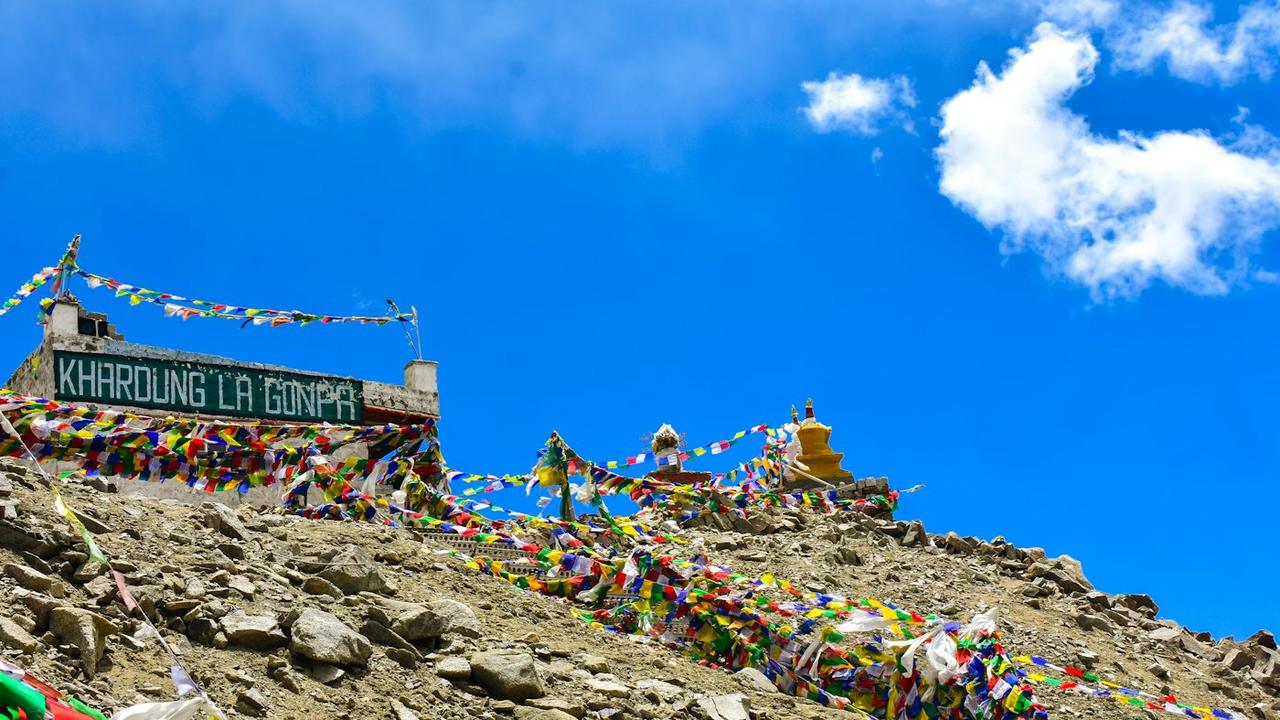
Leh sits at more than 3,000 metres above sea level, and many popular places go much higher. Passes such as Khardung La are well above 5,000 metres. The air is thin, and even fit travellers can feel headaches, breathlessness, poor sleep or nausea in the first days.
Arriving by air is quick, which is exactly why acclimatisation matters. Plan to do very little on day one. Drink plenty of water, eat light meals, avoid alcohol, and walk slowly.
A sensible first two days:
- Day 1: Rest. Short, slow walk around the hotel only.
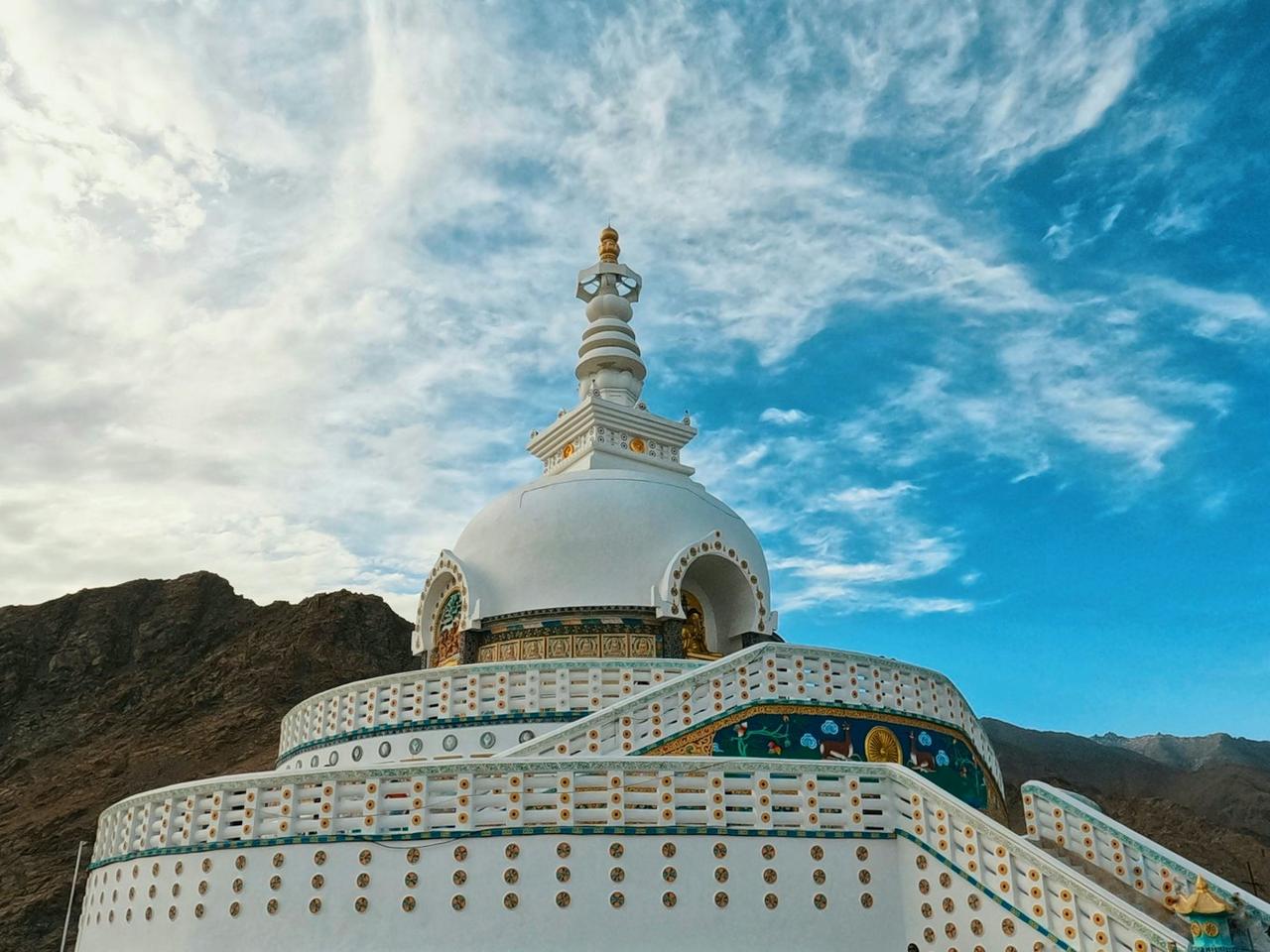
- Day 2: Easy local sights such as Leh Palace, Shanti Stupa and the main bazaar, keeping exertion low.
If you have a medical condition, are elderly, or travel with young children, speak to your doctor before booking. Do not ignore worsening symptoms. Descending and seeking medical help is always the right choice.
Best months for Ladakh
- May to June: Roads open, days are bright, and nights are cold. Some high routes may still have snow, so confirm status.
- July to August: Warmest and greenest, and the busiest time. This is also monsoon season in much of India, and rains elsewhere can occasionally affect road links to Ladakh.
- September: Clear skies, thinner crowds and good light. Many experienced travellers like it for that reason.
- October to April: Cold to extremely cold. Many roads close, many guesthouses shut, and flights remain the main way in. Winter travel is for specific purposes, such as the frozen Zanskar river trek, and needs specialist planning.
Conditions change year to year, so check current road and weather reports as you approach your dates.
Roads and how you get there
Most travellers fly into Leh from Delhi, with connections from other cities. Flights are scenic and fast, but weather can cause delays, so keep a spare day at the end.
The two road routes, from Manali and from Srinagar, are open only in certain months and are long, demanding journeys with high passes. They are rewarding for experienced road-trippers, but they need extra days and more acclimatisation. If you are curious about the Himachal side, see our Himachal guide.
Within Ladakh, local taxis operated by registered taxi unions are the norm. Self-drive and bike rentals exist, but road surfaces can be rough and fuel and repair options are limited.
A balanced route
A week to nine days works well like this:
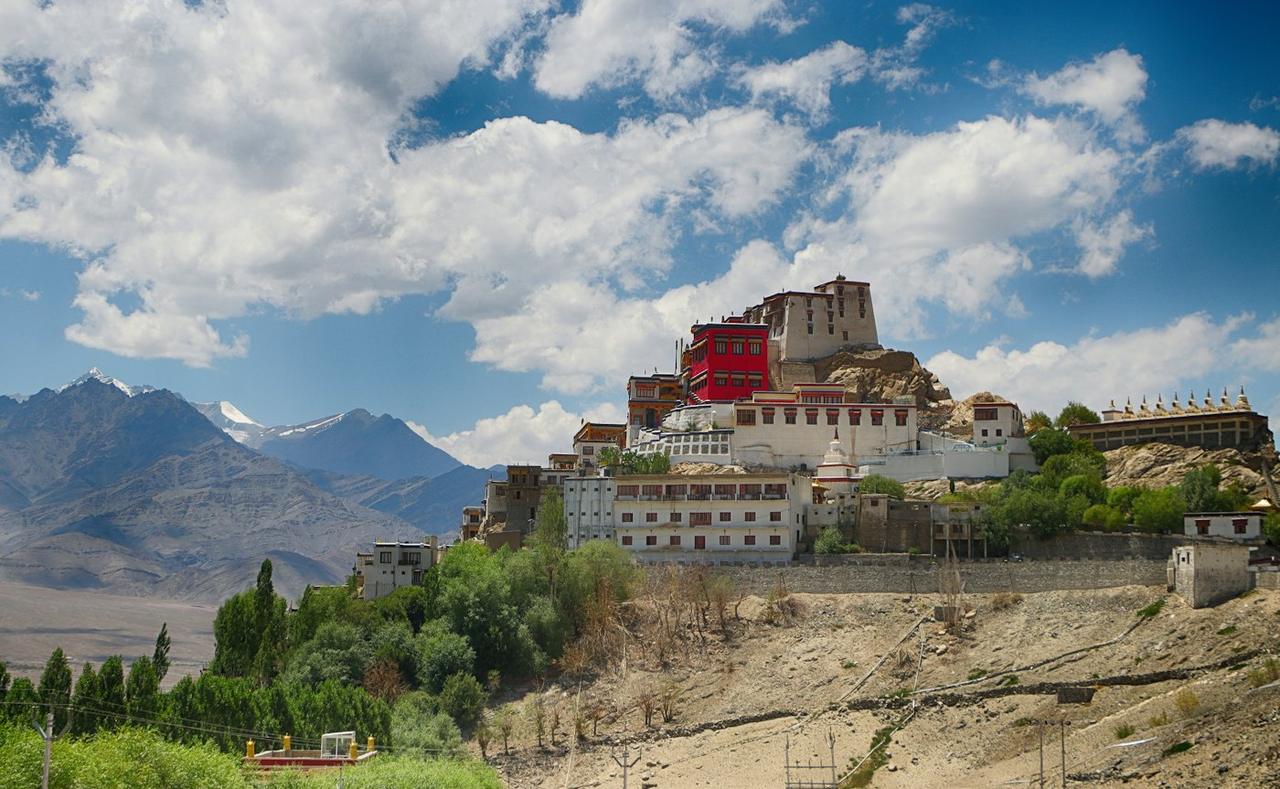
- Leh: Two nights for acclimatisation and local sights, including Thiksey and Hemis monasteries, and the Indus-Zanskar confluence if you have time.
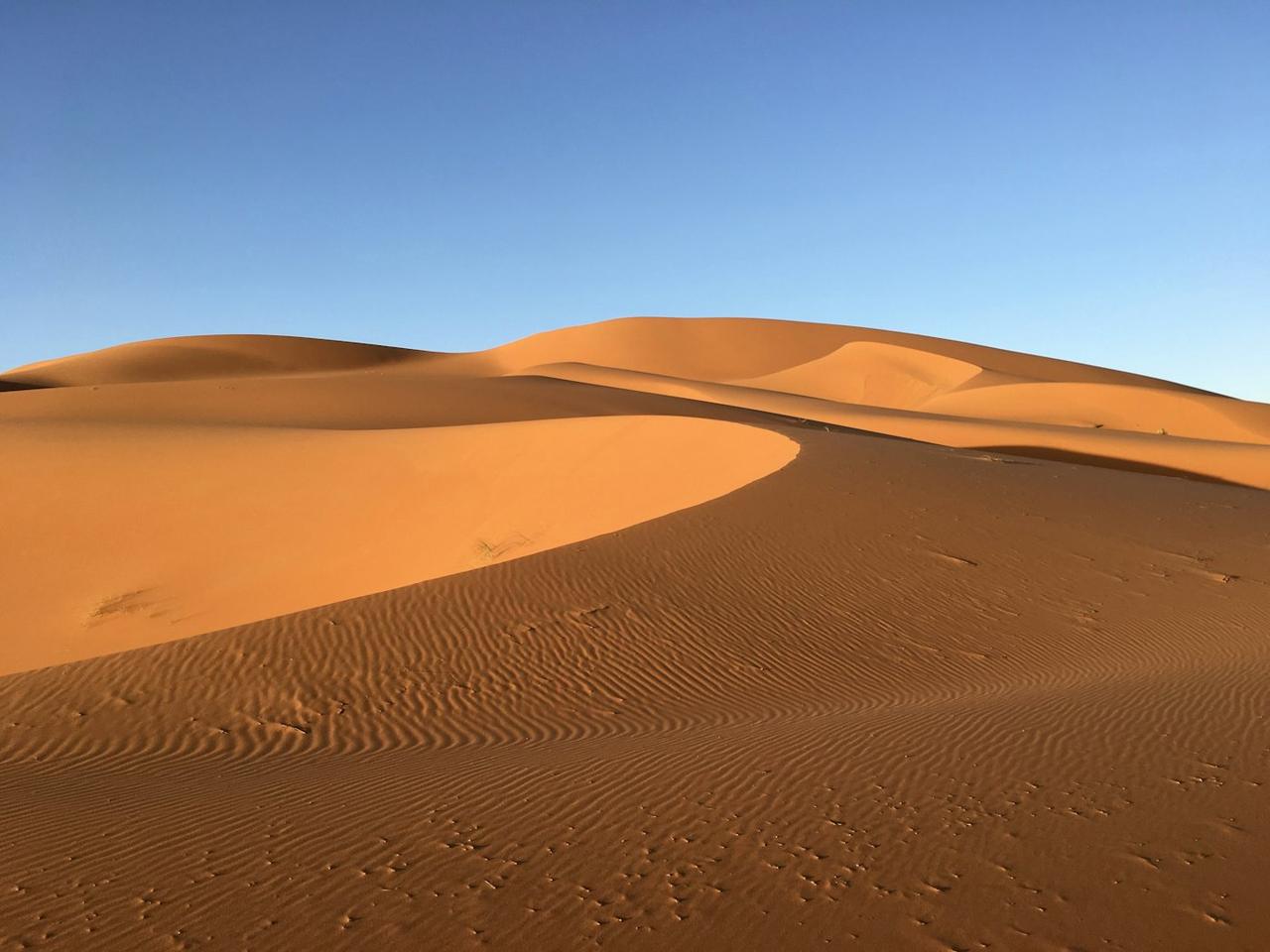
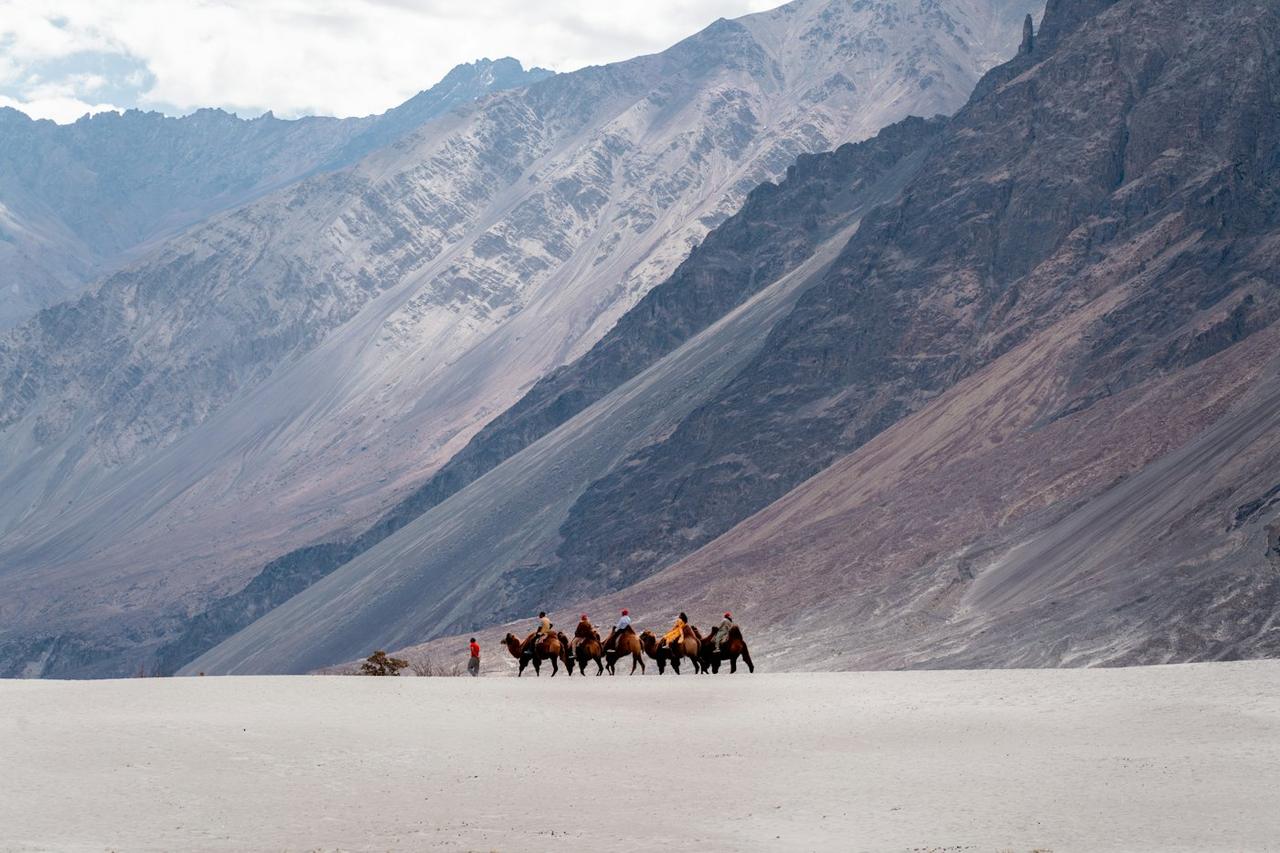
- Nubra Valley: Two nights via Khardung La, with the Hunder sand dunes, Diskit monastery and the green valley itself.
- Pangong Tso: One night by the lake, known for its shifting blues. Camps are basic, and nights are cold.
- Back in Leh: One buffer night before flying out.
Some travellers add Alchi, Lamayuru or a day on the Zanskar river for rafting in summer. Each addition costs time on the road, so choose a few well rather than many.
Permits and rules
Several border-adjacent areas, including parts of Nubra and Pangong, have required permits for visitors in the past. Rules, fees and processes change, so confirm the current requirements with the district administration or with us before you travel. Carry valid photo ID, and keep a few printed copies of any permits.
Mobile coverage can be patchy, and some networks do not work in all areas. Download maps, and tell your hotel or driver your plan each day.
What to pack
- Warm layers, even in summer. Mornings and nights are cold.
- A windproof jacket, gloves, a cap and sun protection. UV is strong at altitude.
- Sunglasses, lip balm and moisturiser for the dry air.
- Comfortable shoes with good grip.
- A basic personal medical kit, and any prescription medicines.
- A power bank, since charging points at camps can be limited.
Food and stays
Expect simple, hearty food: thukpa, momos, butter tea, thenthuk and fresh bread. Many guesthouses are family-run and warm, while camps vary widely in comfort. Water and power can be limited in remote spots, so treat basic facilities as part of the experience. Our Ladakh destination page lists the places we usually include.
Group or custom
Ladakh rewards good logistics: reliable drivers, realistic days and a plan that respects altitude. If you would rather not organise permits, vehicles and stays yourself, take a look at our group tours, or ask us to design a custom trip around your dates. Our Ladakh trips are there when you are ready to compare.
Written by the Indian Rounds Team. Travel rules, prices and conditions change, so please check current details with the official source or ask us before you book.
Plan Ladakh with us
Tell us your dates and budget and we will suggest the right trip.