
Khachapuri, khinkali, walnut sauces and qvevri wine. A practical guide to Georgian food for Indian travellers, including vegetarian options and ordering tips.
Quick facts
- Must try
- Khachapuri, khinkali, badrijani nigvzit
- Vegetarian
- Plenty of cheese, bean and vegetable dishes
- Drink
- Qvevri wine, tarragon lemonade, chacha
- Where
- Tbilisi old town, Kakheti, family-run guesthouses
- Sharing
- Dishes arrive for the whole table
Georgian food is built around bread, cheese, walnuts, herbs and slow-cooked stews, and it is very easy to enjoy even if you are vegetarian. Order a few dishes for the table, start with khachapuri and something with walnuts, and add khinkali if you eat meat. Meals are meant to be long and shared.
The dishes to start with
Khachapuri is the national comfort food: bread filled with melted cheese. The most photographed version is the boat-shaped Adjarian khachapuri, topped with a raw egg and butter that you stir in while it is hot. Other regions have round or layered versions, and each is a bit different.
Khinkali are twisted dumplings filled with spiced meat and broth, though cheese, potato and mushroom versions are common. The classic way to eat them is to hold the knot, bite a small hole and drink the broth before eating the rest. The knot is usually left on the plate.
Lobio is a warm bean stew, often served in a clay pot with cornbread. It is hearty and spiced with herbs, and a dependable vegetarian choice.
Walnuts, herbs and vegetables
Walnut paste appears in many dishes, giving Georgian cooking its distinct, earthy flavour. Look for:
- Badrijani nigvzit, aubergine rolls filled with walnut paste and garlic
- Pkhali, minced spinach, beetroot or other vegetables mixed with walnuts and spices
- Ajapsandali, a vegetable stew with aubergine, peppers and tomato, similar in spirit to a ratatouille
- Satsivi, a walnut sauce usually served with poultry
Fresh herbs such as coriander, dill, basil and tarragon are used generously. The flavours may feel a little familiar to Indian palates, but with less chilli. If you like heat, ask for adjika, a spiced red paste, on the side.
Meat and mains
Kebab-style mtsvadi, grilled meat on skewers over open fire, is easy to find. Chakapuli is a lamb stew with tarragon and sour plums, usually a spring dish. Chakhokhbili is a tomato-and-herb chicken stew. If you eat meat, these are worth ordering at least once.
Pork is common in Georgian restaurants. If you avoid it, or avoid beef, mention this clearly when ordering, and ask how a dish is prepared. Halal options can be limited outside the bigger cities, so ask your guide in advance.
Vegetarian and Jain travellers
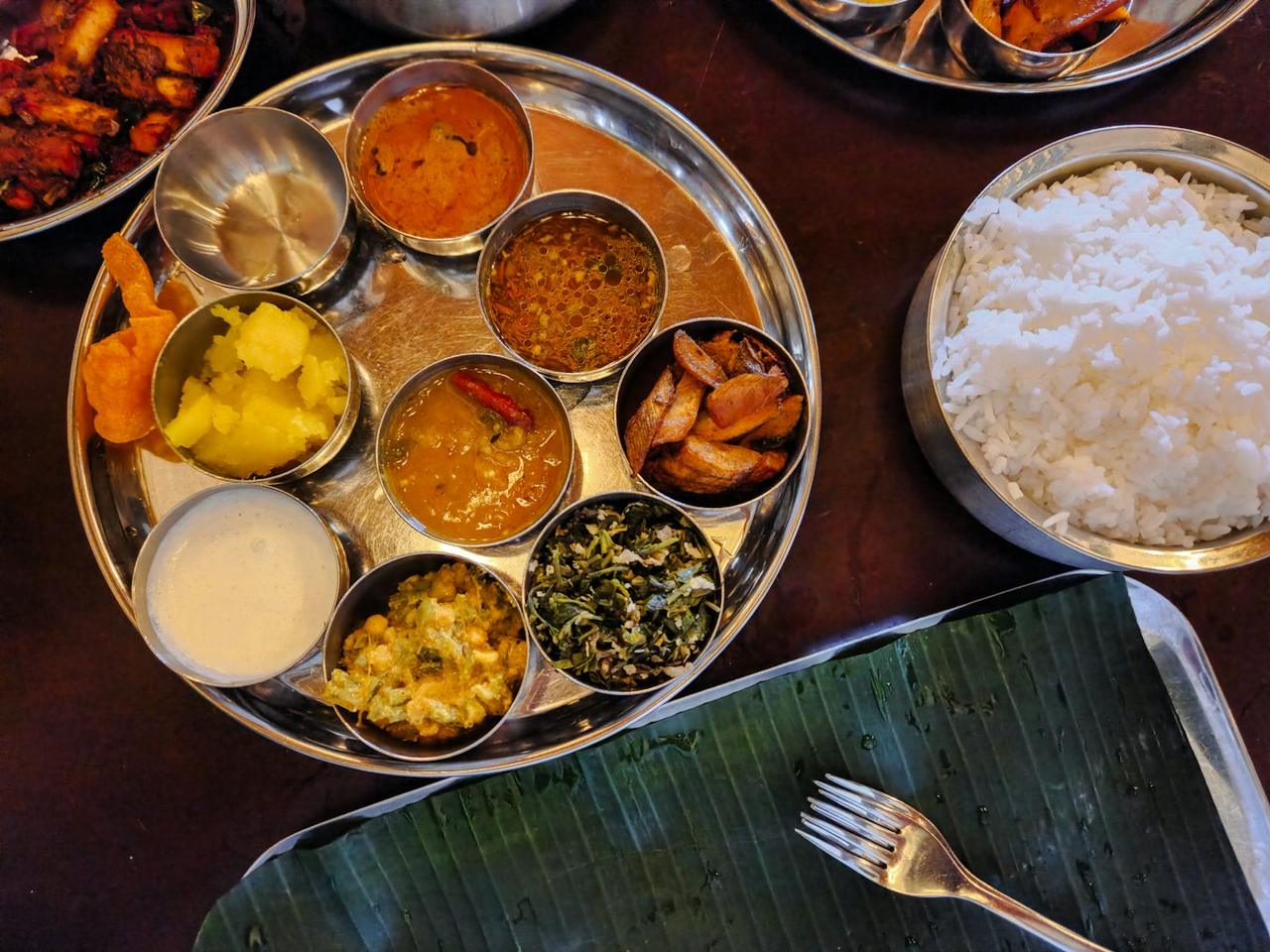
Vegetarian travellers do well in Georgia, particularly in Tbilisi. Cheese breads, bean dishes, pkhali, ajapsandali, fried vegetables and salads of tomato and cucumber with herbs are available almost everywhere.

Strict vegetarians should check whether soups and stews are made with meat stock, and ask if cheese contains animal rennet if that matters to you. Jain travellers will find onion and garlic widespread, so it is wise to prepare simple requests in advance or carry some snacks.
Wine, drinks and the table
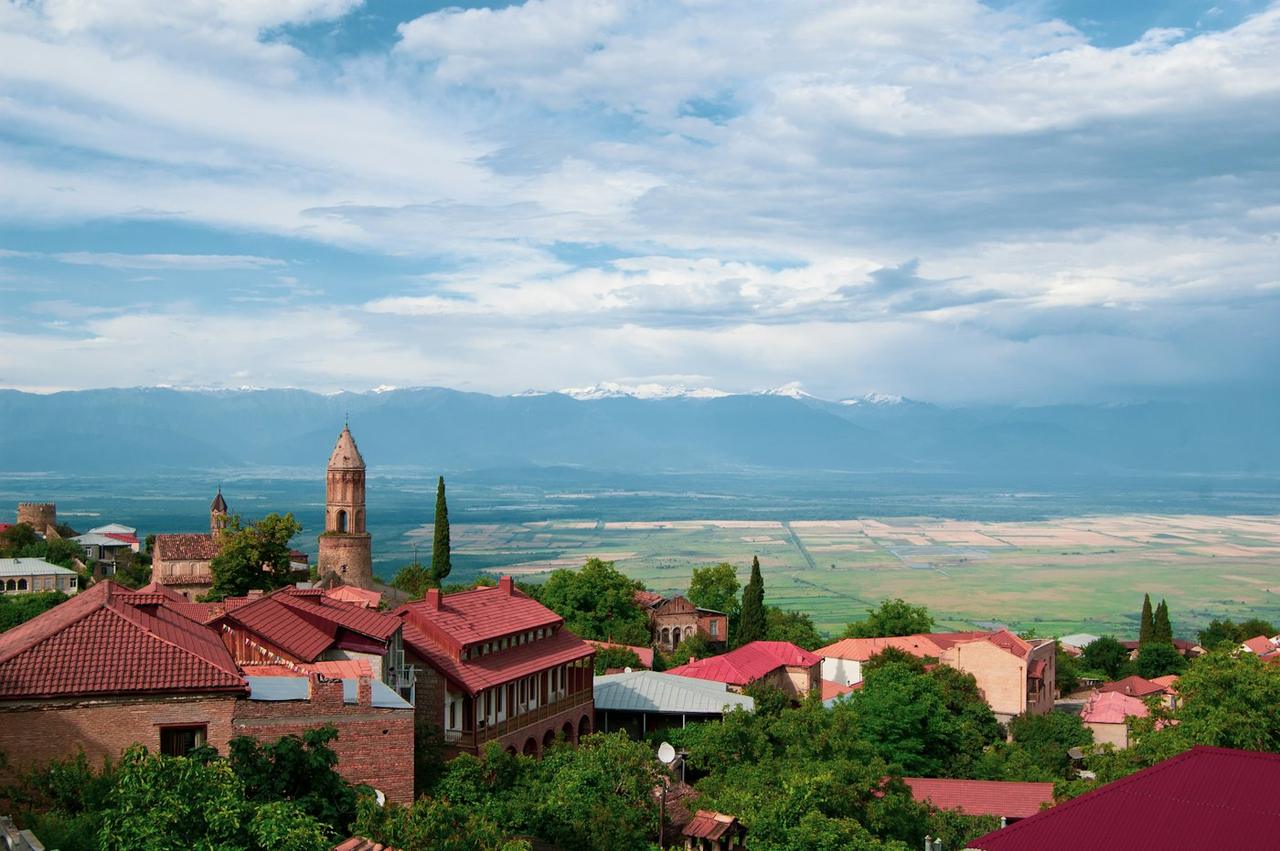
Georgia is often described as one of the oldest wine-making regions in the world. In Kakheti, many producers ferment wine in buried clay vessels called qvevri, which gives white wines an amber colour and a slightly tannic character. Tastings usually come with bread, cheese and sometimes a full lunch.
For non-drinkers there are good options. Tarragon lemonade is bright green and slightly herbal. Mineral water from Borjomi has a salty, mineral taste that some people love and others find odd. Georgian tea and coffee are available everywhere.
At a traditional feast, called a supra, a toastmaster leads a series of toasts. Guests are expected to take part. You can join in with water or juice and nobody will mind.
Where to eat
In Tbilisi, the old town has many restaurants that cater to visitors, while neighbourhoods a little further away often have better value and quieter tables. Look for places full of local families and a menu with fewer, more specific dishes.
In Kakheti and the mountains, the best meals are often at family guesthouses and wine cellars, where food comes from the garden and kitchen. Ask your guide or driver for suggestions, since the best places change often.
A few habits help:
- Order several dishes to share, rather than one each.
- Start with bread, cheese and vegetables, then add mains.
- Ask about portion sizes. They are often generous.
- Check the final bill before tipping, as service charges are sometimes included.
Food you can bring home
Churchkhela, a string of walnuts coated in grape-juice jelly, travels well and keeps for a while. Spice blends, dried fruit, honey and tea are other easy souvenirs. Check what you can carry through customs on the way back, and avoid liquid items in hand luggage. Eat khachapuri hot, because it becomes heavy within minutes, and sharing one between two is plenty.
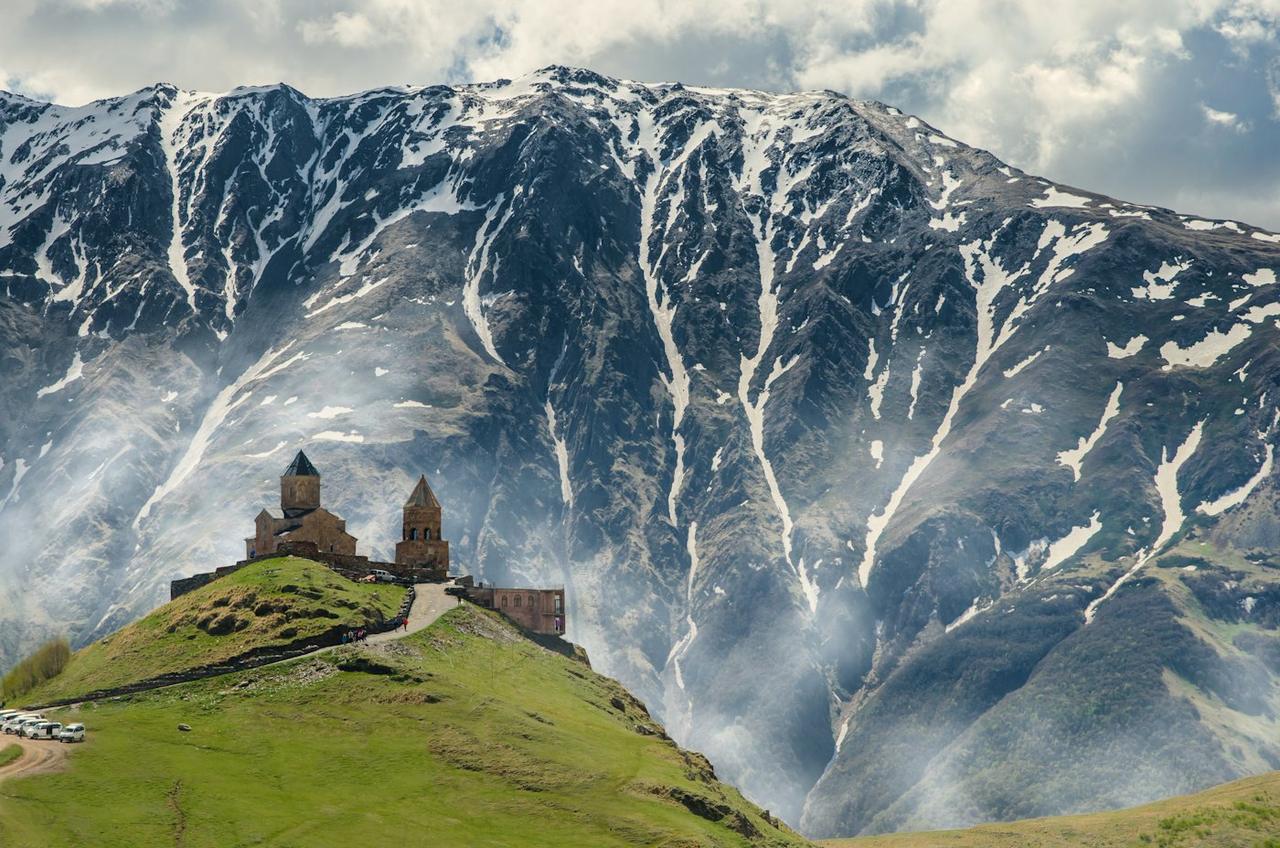
For where to see the country behind the food, our Georgia guide covers Tbilisi, Kazbegi and Kakheti, and our Georgia trips bring these places together.
Written by the Indian Rounds Team. Travel rules, prices and conditions change, so please check current details with the official source or ask us before you book.
Plan Georgia with us
Tell us your dates and budget and we will suggest the right trip.