A food guide to Kerala: what to order, from sadhya and appam-stew to karimeen and Malabar biryani, plus the kinds of places to eat in Kochi, Alleppey, Munnar and Kozhikode.
Quick facts
- Best dishes
- Sadhya, appam and stew, karimeen pollichathu, Malabar biryani
- Where
- Kochi, Alleppey, Kozhikode (Calicut), Thalassery, Munnar
- Typical meal
- Budget to mid-range, sadhya and meals are good value
- Good for
- Seafood lovers, vegetarians, spice lovers
- Tip
- Look for busy local places over fancy menus
Kerala is one of the easiest Indian states to eat well in, whether you are vegetarian or love seafood. Start with a banana-leaf meal, try a fish dish in the backwaters, and look for a busy local eatery wherever you stop. The food changes noticeably from region to region, so eat where you are.
Start with the classics
A few dishes show up again and again, and they are good places to begin.
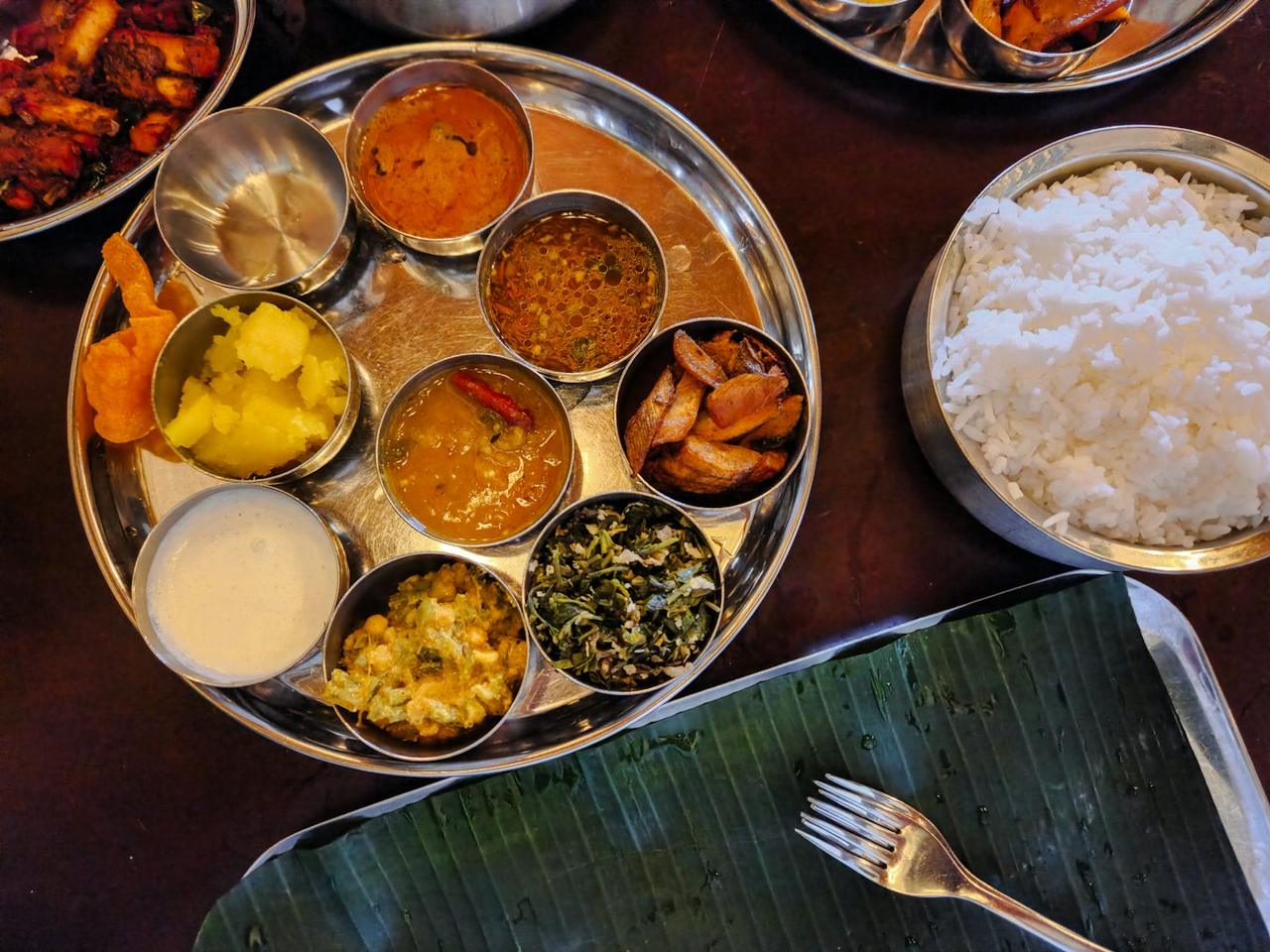
- Sadhya: The vegetarian feast served on a banana leaf, with rice, sambar, parippu, avial, thoran, pachadi, pickles, papadam and payasam. It is traditionally eaten on festival days such as Onam, but restaurants serve versions of it, especially at lunch.
- Kerala meals: Everyday rice meals with a few curries, a fish or meat fry and pickles. They are inexpensive and filling.
- Appam and stew: Lacy fermented rice pancakes served with a mild coconut stew of vegetables, chicken or mutton.
- Puttu and kadala curry: Steamed rice-and-coconut cylinders with spicy black chickpea curry, a classic breakfast.
- Parotta and beef or chicken fry: Flaky layered flatbread with a spicy gravy, popular across the state. Beef is widely eaten in Kerala, though many places also serve chicken, mutton and vegetarian alternatives.
Seafood: from backwaters to the coast
Kerala's coastline and backwaters make fish central to the cuisine. Look for karimeen (pearl spot), a prized backwater fish usually marinated and cooked in banana leaf as pollichathu. Other highlights include fish molee, a gentle coconut-milk curry, and tapioca with fish curry, a comforting combination you will find in toddy shops.
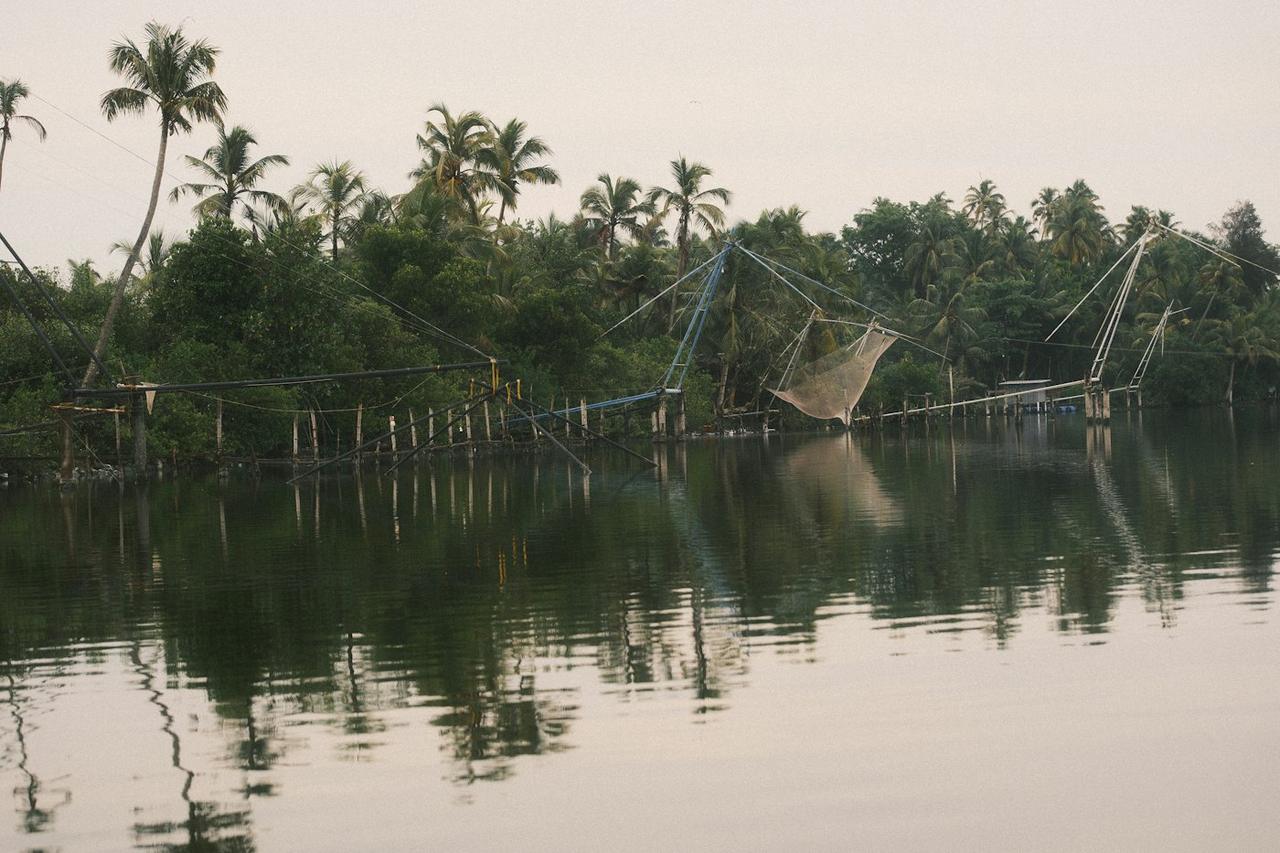
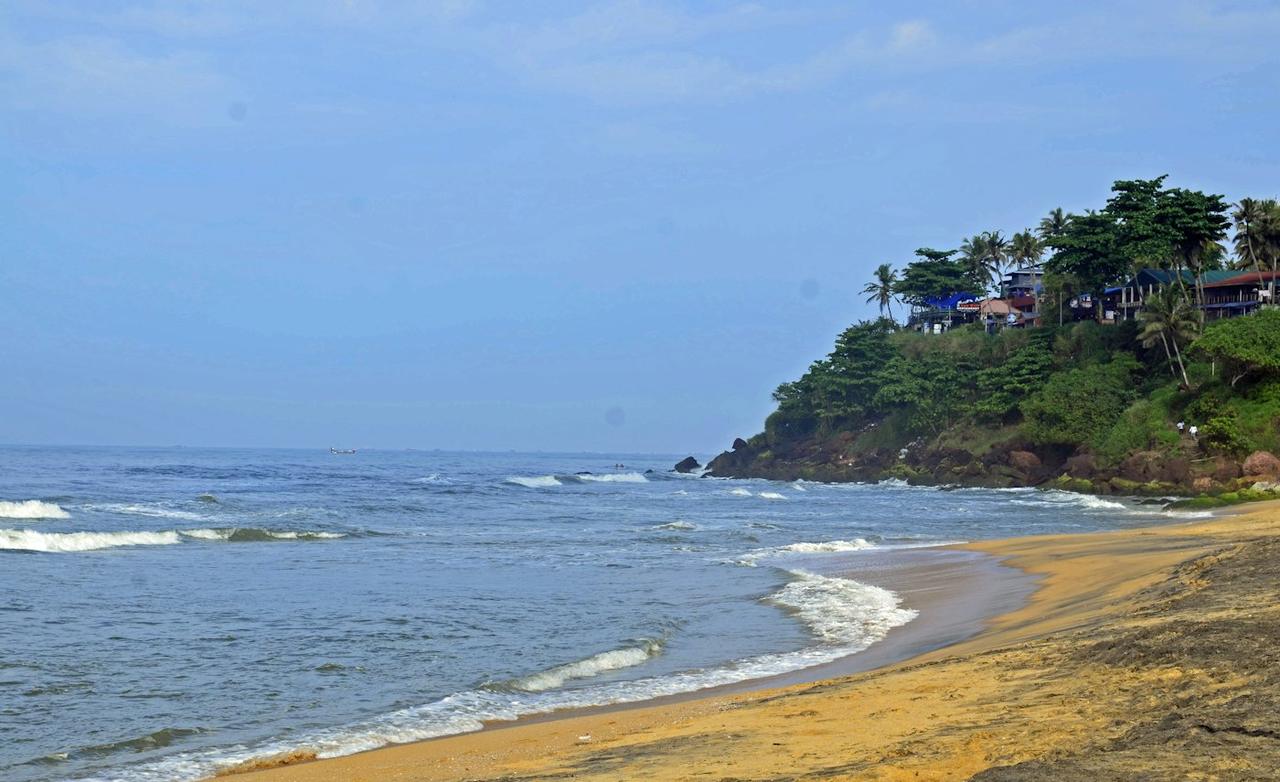
Prawns, mussels, squid and crab are common on the coast, especially near Kochi and Alleppey. In Fort Kochi, fishermen still use Chinese fishing nets, and some stalls near the waterfront will fry or grill the day's catch for you, usually priced by weight.
Regional tastes worth knowing
Kochi and Fort Kochi. A mix of Syrian Christian, Jewish, Portuguese, Arab and Dutch influences shows up in the food. Expect appam with duck or beef roast, fresh seafood and old-style bakery snacks. The area suits a leisurely lunch followed by a walk around Jew Town.
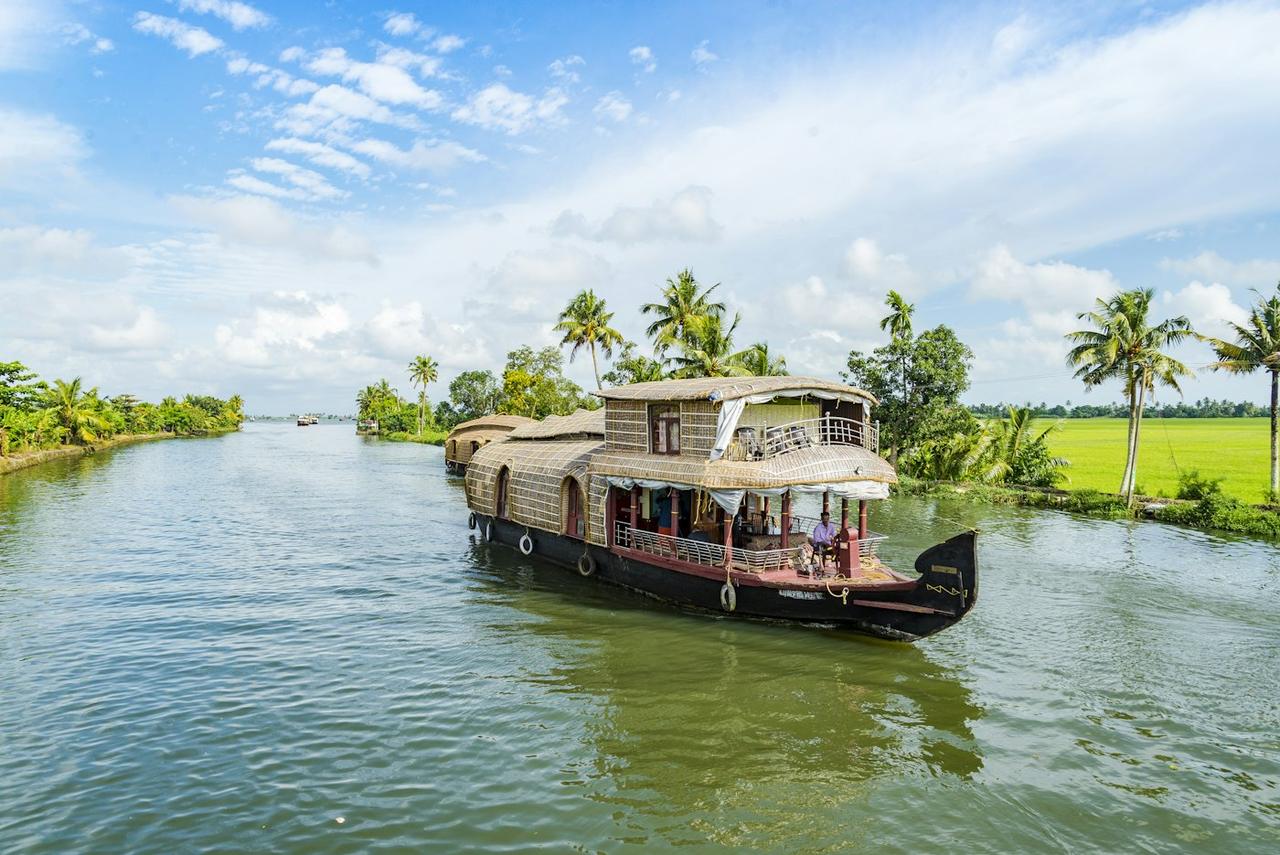
Alleppey and Kumarakom. This is backwater country. Houseboat meals are usually cooked on board and focus on local fish, rice and vegetables. Toddy shops along the lake serve spicy food to go with palm toddy, an alcoholic drink, so visit with local advice and keep expectations modest.
Kozhikode (Calicut) and Thalassery. The Malabar coast is known for its biryani, which differs from Hyderabadi style in its use of short-grained rice and a milder spicing. Also look for pathiri (rice flatbreads), kozhikodan halwa and banana fritters in the evening.
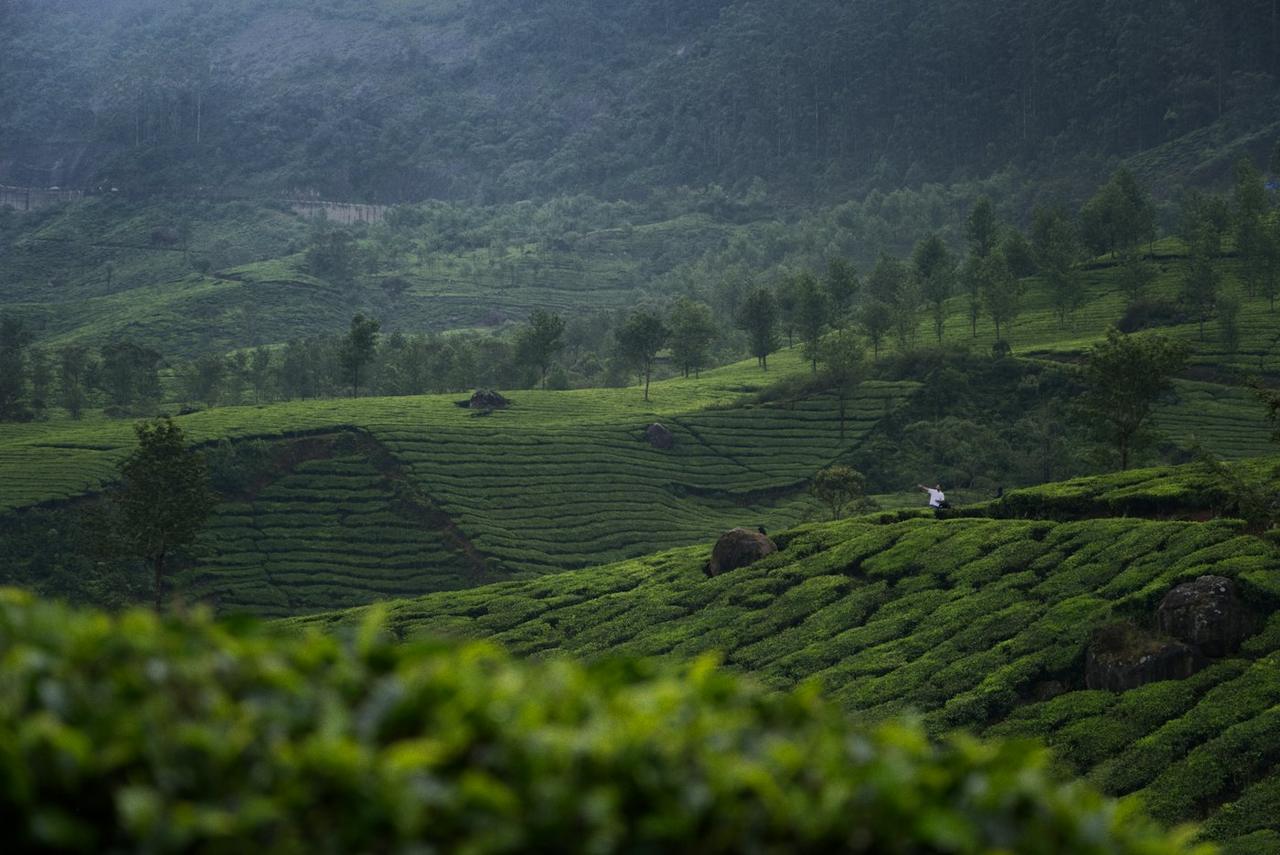
Munnar and Thekkady. In the hills, expect warm food to go with the cool air: tea, cardamom-scented sweets and simple meals at family-run restaurants. Spice plantation visits often include a demonstration meal.
What to snack on
Street snacks are a joy in Kerala, and many of them appear in tea shops (chayakada) around the state.
- Pazham pori: Banana fritters in a crisp batter.
- Uzhunnu vada: Lentil doughnuts, often served with chutney.
- Sukhiyan and unniyappam: Sweet jaggery-based snacks.
- Banana chips and jackfruit chips: Fried in coconut oil, made for carrying home.
- Tender coconut water: Sold by the roadside and refreshing in humid weather.
Eating with dietary needs
Vegetarians will find plenty to eat, especially in Brahmin-style restaurants and in Udupi-type eateries, and sadhya is fully vegetarian. If you avoid coconut, say so clearly, since it features in most dishes. If you are sensitive to spice, ask for less chilli. Jain travellers should check ingredients carefully, as options are limited. Alcohol is available in licensed bars and restaurants but the rules and timings differ, so check locally.
Eating well and safely
Choose busy places with fresh food turnover, drink bottled or filtered water, and avoid raw salads in very casual settings if you have a sensitive stomach. Carry basic stomach medicines, and take it slowly with rich or very spicy food in the first couple of days.
Planning a food-led trip
A good route for eaters is Kochi for seafood and history, Alleppey for a backwater meal, Munnar for tea and spice plantations, and Kozhikode or Thalassery for biryani. See our five-day Kerala plan for how those places connect.
If you would like to eat your way through the state with others, take a look at our Kerala trips, or plan something just for your family through a custom trip.
Written by the Indian Rounds Team. Travel rules, prices and conditions change, so please check current details with the official source or ask us before you book.
Plan Kerala with us
Tell us your dates and budget and we will suggest the right trip.