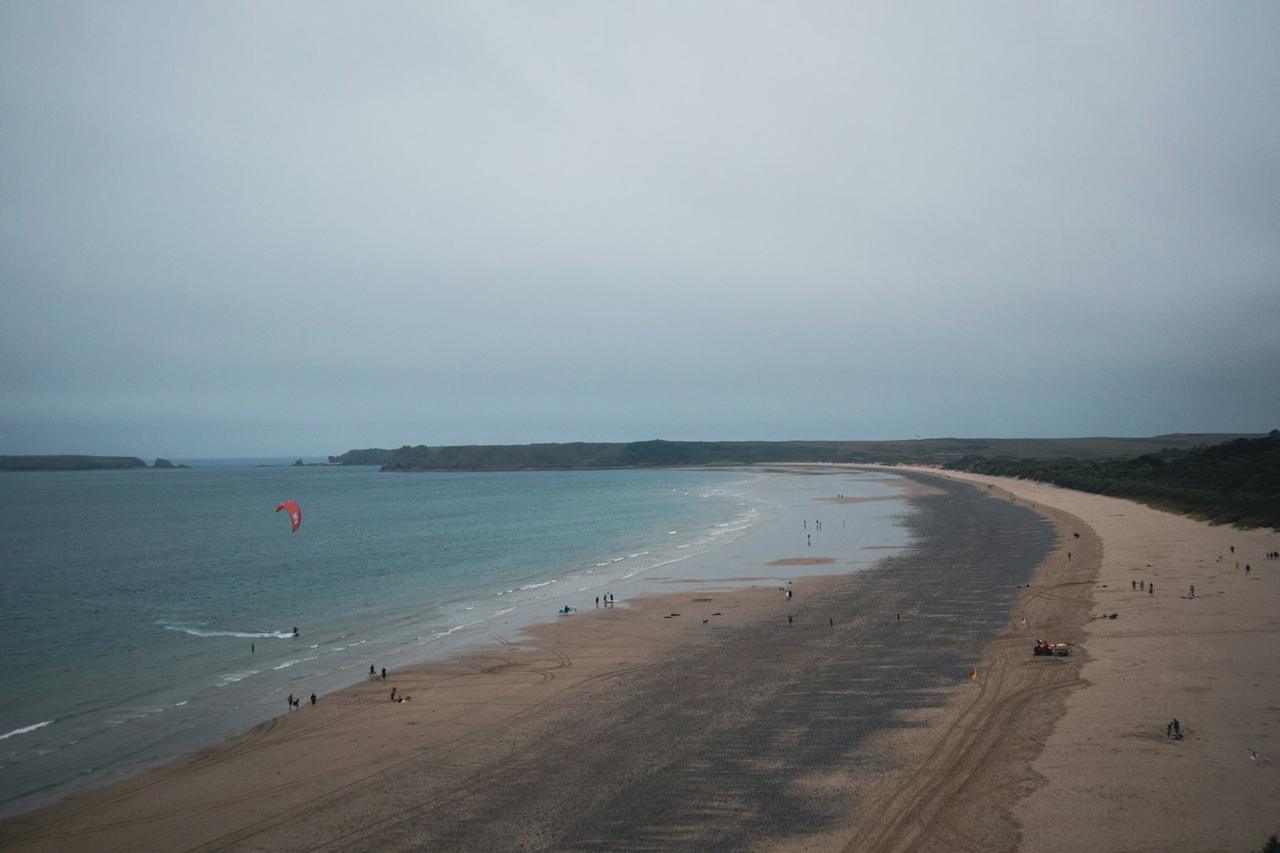

Goa is more than sand and shacks. Here is how North and South Goa differ, what to see in Old Goa and Panjim, and how to plan days that are not only about the beach.
Quick facts
- Best time
- November to February
- Ideal stay
- 4 to 5 nights
- Getting there
- Fly into Goa (Dabolim or Mopa)
- Good for
- Friends, couples, families
- Budget style
- Flexible, from simple stays to resorts
Goa works well for travellers who want more than a beach day. Spend a morning among the churches of Old Goa, an afternoon in Panjim's Fontainhas, a day in the Western Ghats foothills, and keep your evenings for food and the coast. Choosing North or South as a base shapes the mood of the trip.
North Goa or South Goa
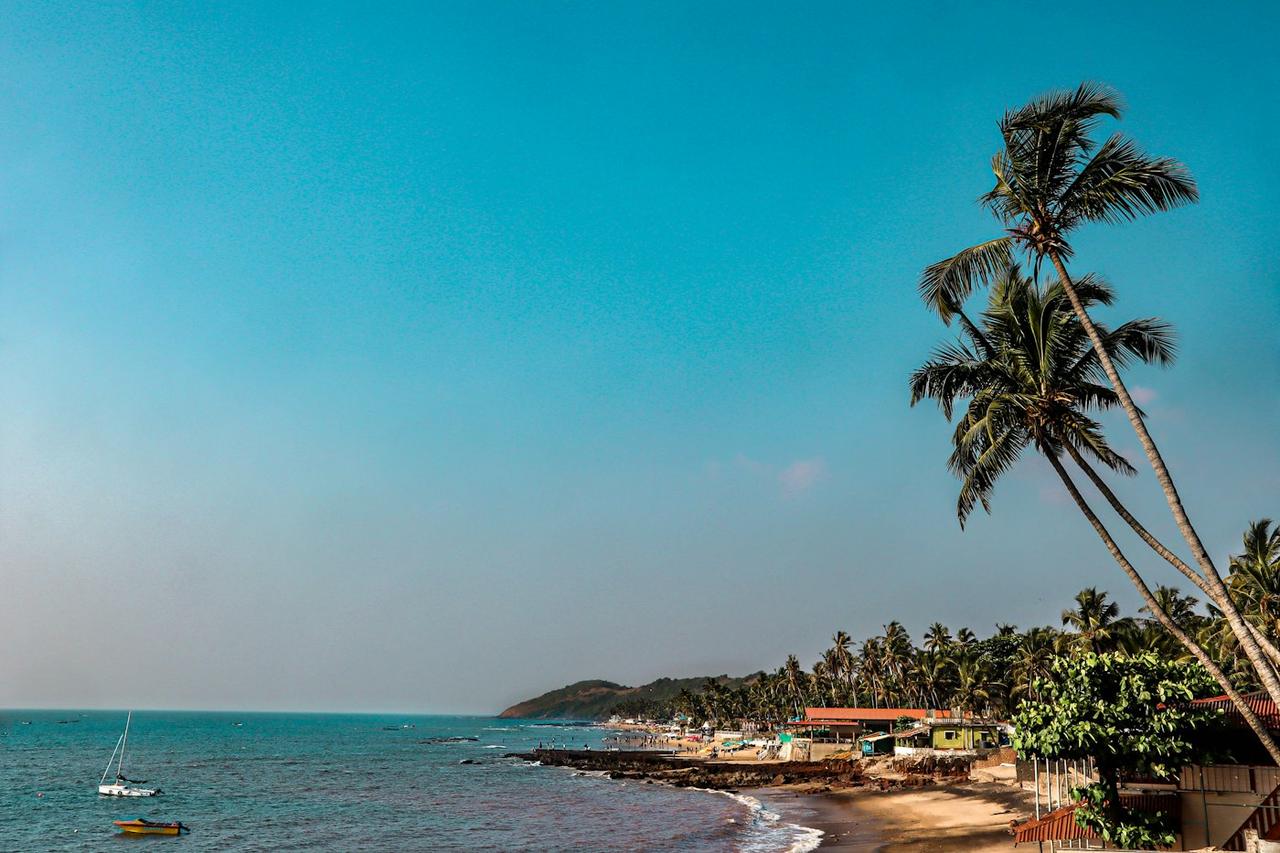
North Goa has the busy beaches, markets, nightlife and cafes. Calangute, Baga, Anjuna and Vagator are lively and sociable, while quieter pockets like Ashvem and Morjim suit those who want space. Chapora Fort, with its view over the river and coast, is a popular sunset stop.
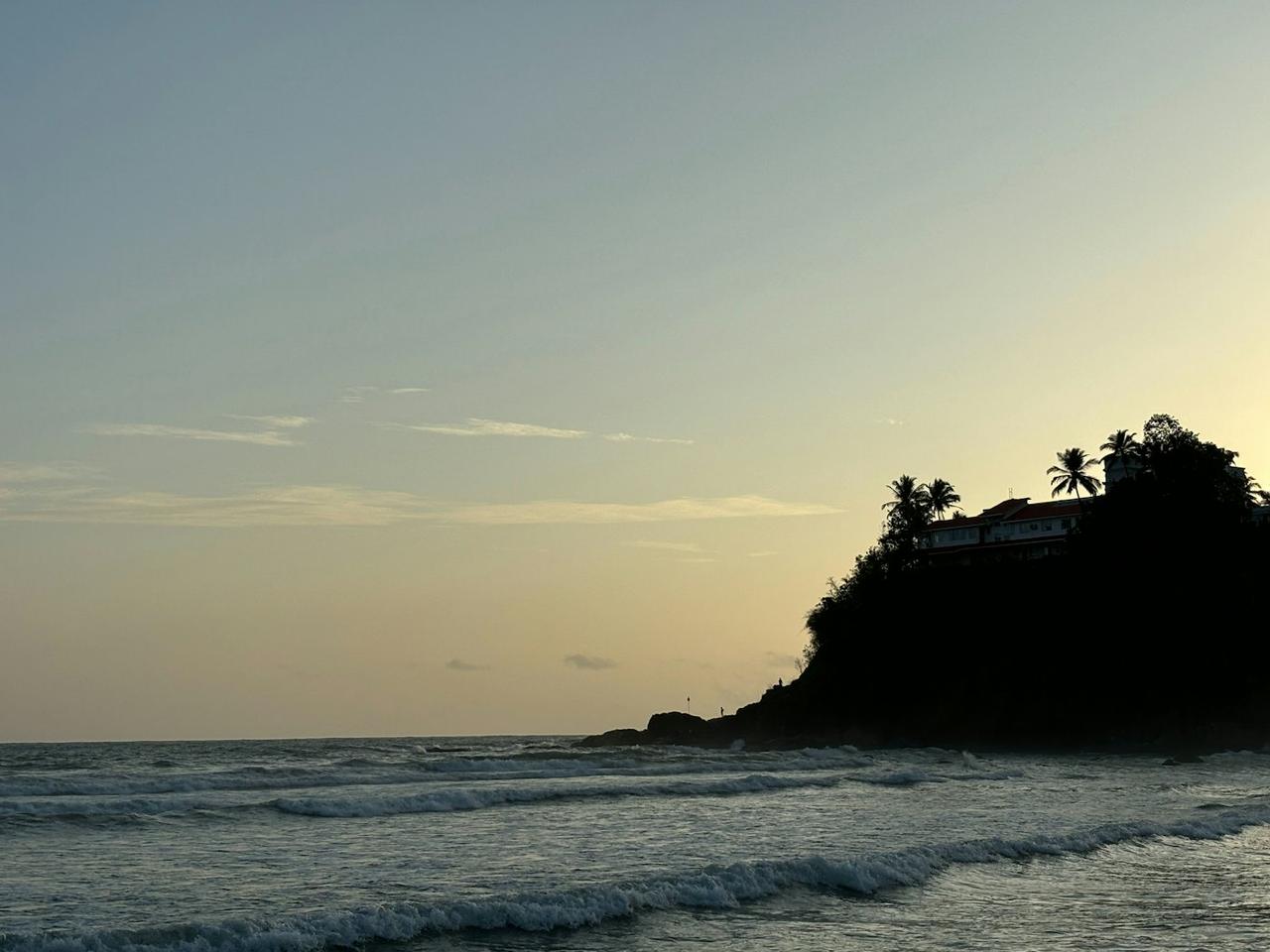
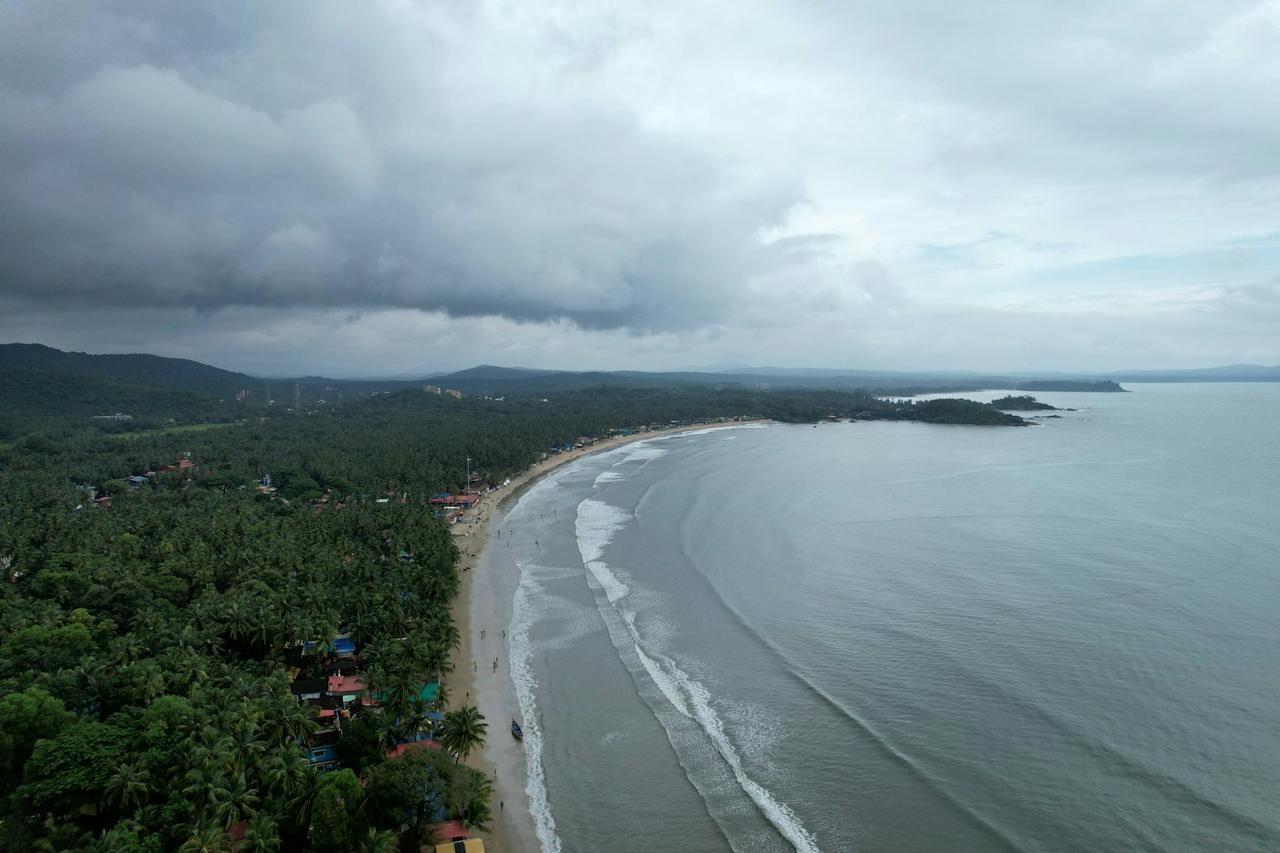
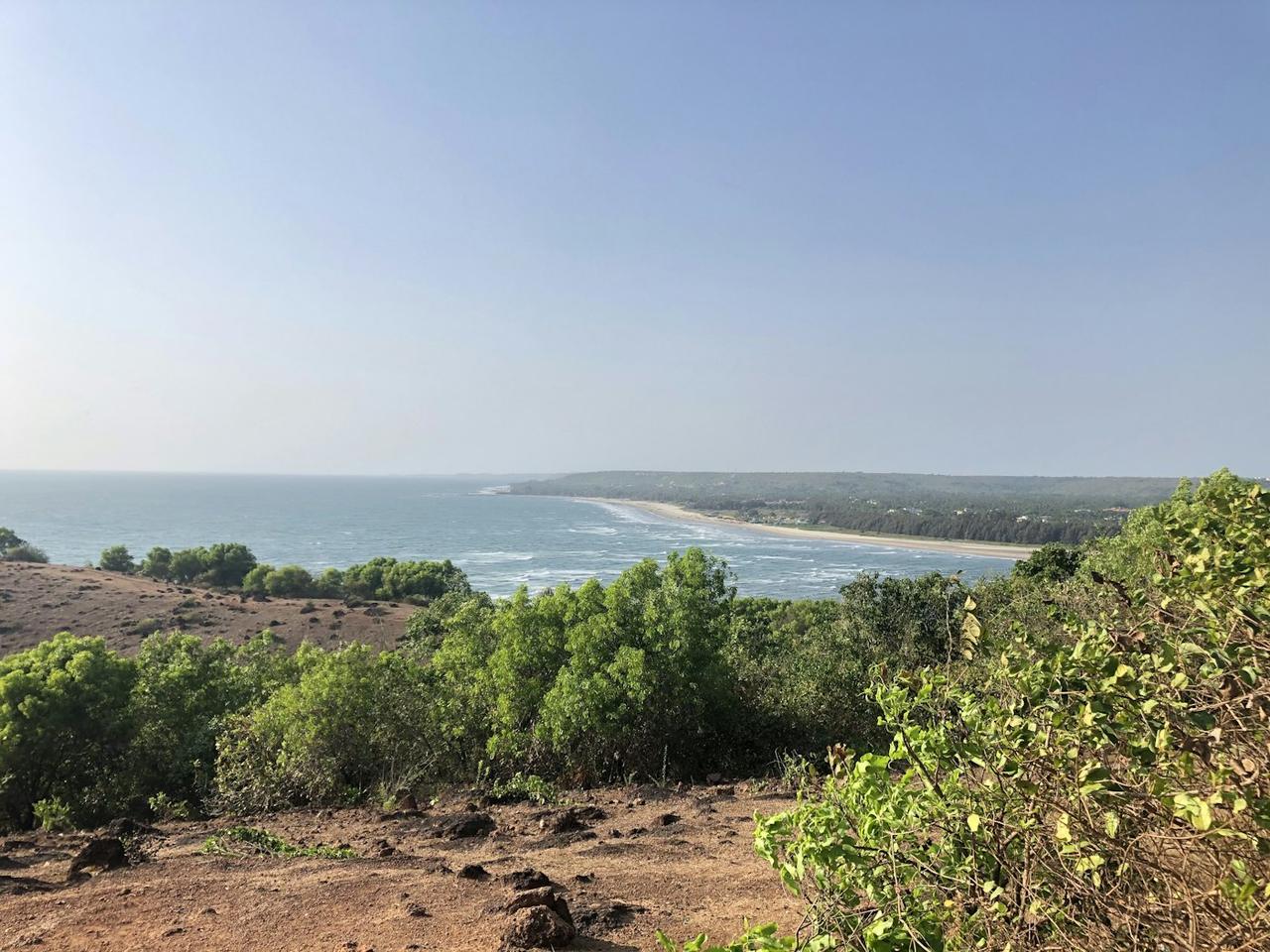
South Goa is calmer and more spread out. Colva has long, open stretches, and Palolem, near the southern tip, has a gentle, crescent-shaped bay with a village feel. Resorts here lean towards relaxation, so it suits couples and families who want peace.
If you have only four or five nights, pick one base and make day trips. Moving hotels costs half a day.
Old Goa: churches and history
Old Goa was once a major Portuguese capital, and several churches and convents from that era still stand. The Basilica of Bom Jesus holds the remains of St. Francis Xavier, and the nearby Se Cathedral is among the largest churches in Asia. Allow two to three hours, and dress modestly, with covered shoulders and knees.
The area is quiet in the early morning and gets busy later. Visit before the heat builds, then continue to Panjim for lunch.
Panjim and Fontainhas
Panjim, the state capital, is relaxed and walkable. Fontainhas, the old Latin Quarter, is a maze of narrow lanes, pastel houses with tiled roofs and small chapels. Walk slowly, stop at a bakery for bread and sweets, and look for old balcao seating at doorways.
A short river cruise on the Mandovi, often with music and folk performances, makes an easy evening plan. Check current timings and what is included when booking.
Beyond the coast: spices, waterfalls and forts
Inland Goa is green and surprisingly peaceful. A spice plantation visit in the Ponda area shows how pepper, cardamom, vanilla and cashew grow, and many places include a traditional lunch served on banana leaves. Prices and what is included vary, so confirm before you go.
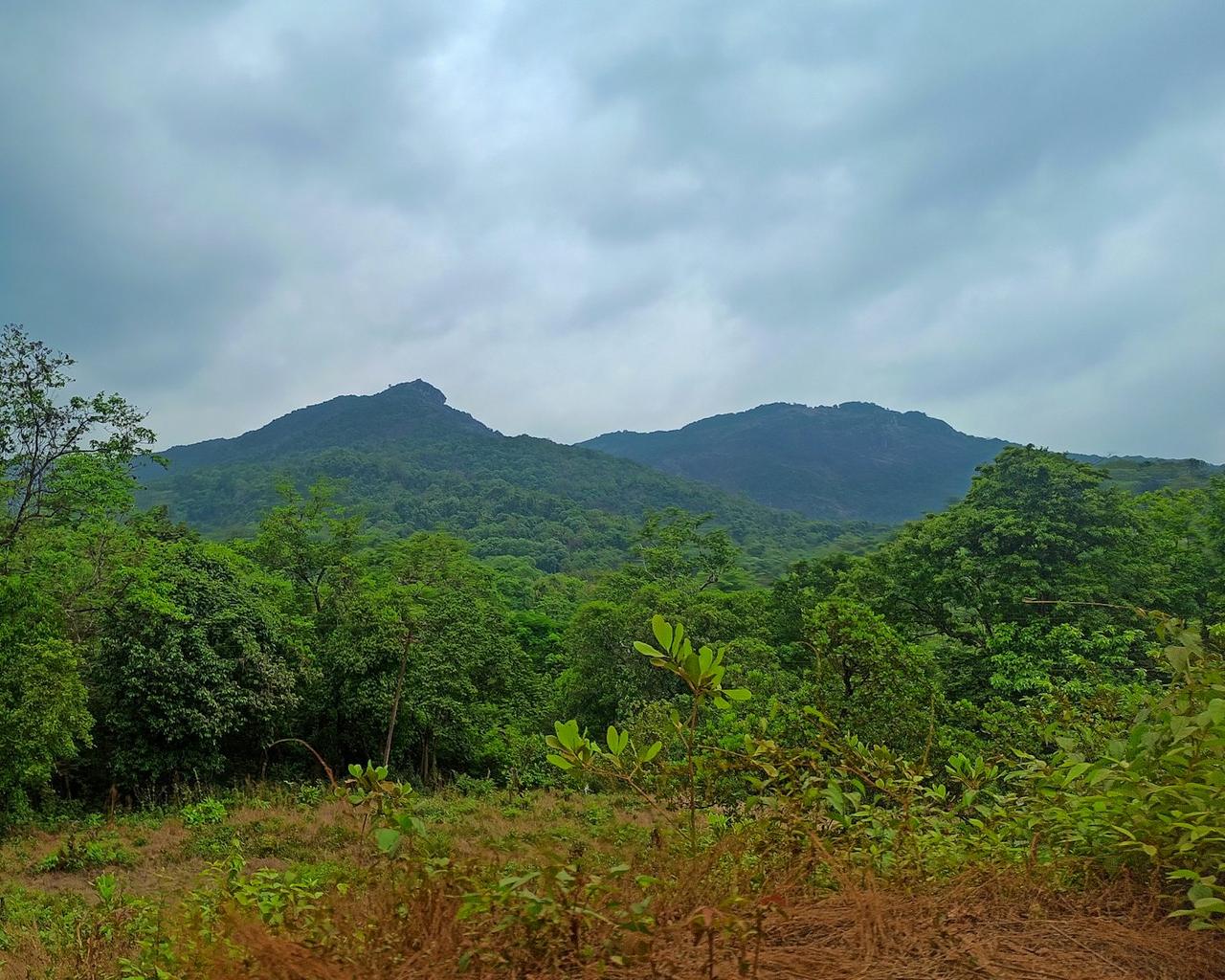
Dudhsagar Falls, on the border with Karnataka, is a tall, multi-tiered waterfall. It looks fullest after the monsoon, and access rules, transport options and safety conditions change by season, so check current arrangements before you plan a full day around it.
For something different, consider a morning at a bird-watching spot near the backwaters, or a visit to a local market in Mapusa or Margao, where you can pick up cashews, spices and kokum.
What to eat
Goan food deserves its own plan. Look for:
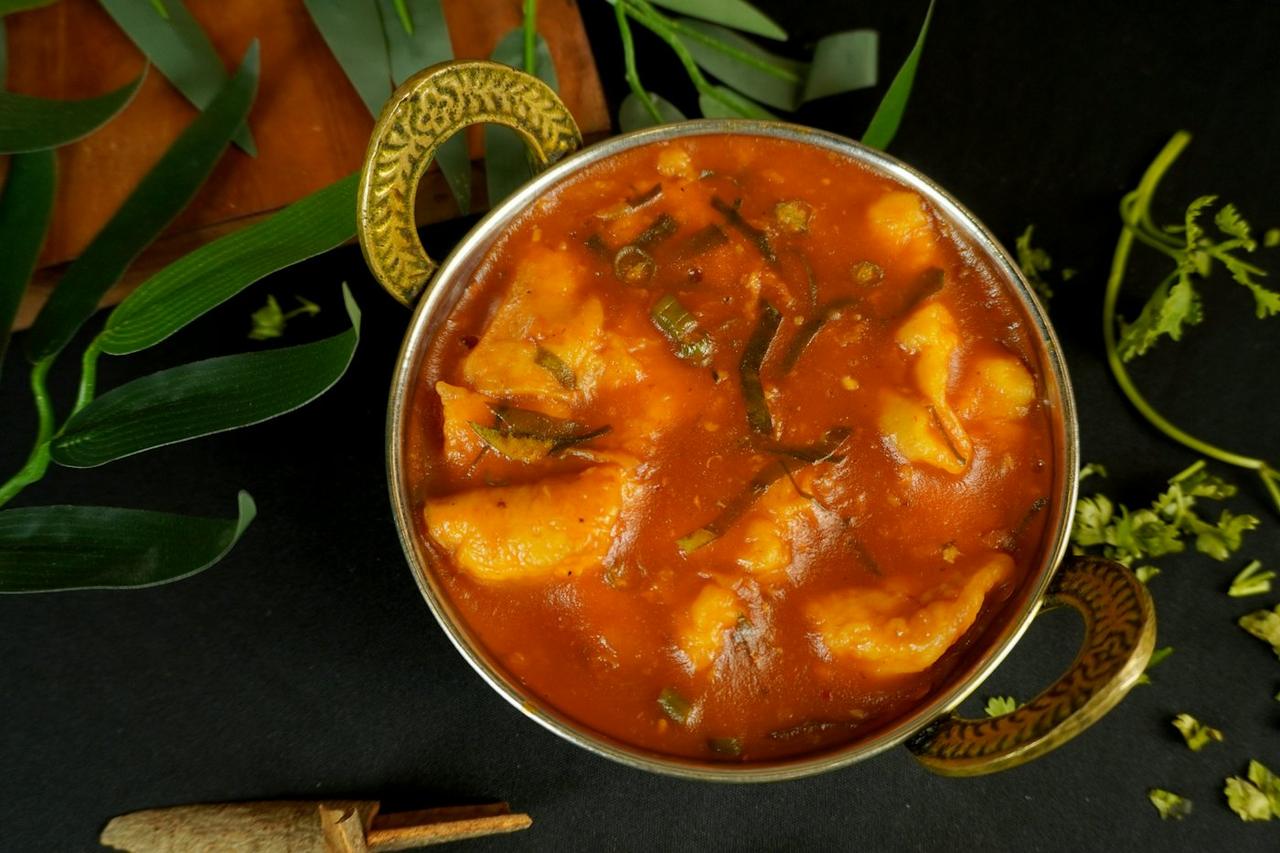
- Fish curry rice, the everyday staple, tangy with kokum.
- Prawn balchao, a spiced, pickled style of prawns.
- Pork vindaloo and sorpotel, for those who eat pork, rooted in Goan Catholic cooking.
- Bebinca, a layered dessert, and dodol.
- Poi, the local bread, often with bhaji or eggs for breakfast.
Vegetarian travellers can enjoy xacuti with vegetables, mushroom dishes, sweet corn soups, and fresh coconut-based preparations at many places. Ask about preparation if you have dietary needs. For broader ideas on Indian regional cuisines, see our guide to where to eat in Kerala, which has similar coastal flavours.
Best time to go
November to February is the most comfortable season, with sunny days and cooler evenings. March to May is hot and humid, but rates are lower. The monsoon, roughly June to September, brings heavy rain and rough seas. Some beach shacks close, but Goa is lush, quiet and good for slow stays. Check conditions before booking water sports, as operations are suspended on rough days.
Getting around
Taxis are plentiful but can be expensive and prices vary, so agree on a rate or insist on the meter where applicable. Rented scooters are popular, but only ride if you are confident, carry a valid licence, and wear a helmet. Pre-paid taxi counters at airports offer a more predictable option. Apps and state buses also operate on some routes. Distances look small, but traffic on coastal roads can be slow in the evenings.
Putting it together
A good five-night plan might include a beach day, an Old Goa and Panjim day, a spice plantation or waterfall day, one slow day with nothing planned, and an evening river cruise or sunset at a fort. If you want a longer Indian coastal trip, our guide to the Andaman Islands offers a very different kind of beach holiday.
Weekend breaks are easy too, and our weekend escapes are worth a look, along with our Goa destination page. Our Goa trips are the place to begin if you would like a plan that goes beyond the sand.
Written by the Indian Rounds Team. Travel rules, prices and conditions change, so please check current details with the official source or ask us before you book.
Plan Goa with us
Tell us your dates and budget and we will suggest the right trip.