Hanoi, Ha Long Bay, Hoi An and Ho Chi Minh City in one sensible route, with notes on internal flights, timing and how to avoid rushing.
Quick facts
- Best time
- Varies by region, with spring and autumn often pleasant
- Ideal stay
- 10 to 12 nights
- Getting there
- Direct and one-stop flights to Hanoi or Ho Chi Minh City
- Getting around
- Domestic flights between the main regions
- Good for
- Food lovers, couples, friends
A north-to-south trip through Vietnam works well in 10 to 12 nights: Hanoi and Ha Long Bay in the north, Da Nang and Hoi An in the centre, and Ho Chi Minh City with the Mekong Delta in the south. Fly into one end and out of the other, and use short domestic flights, because Vietnam is long and thin.
You can try to see more, but this route gives you three quite different faces of the country and enough time in each to enjoy the food, the streets and the scenery without constantly packing.
Vietnam stretches roughly 1,600 km from top to bottom, so travelling by road or train between all three regions would take most of your holiday. Domestic flights between Hanoi, Da Nang and Ho Chi Minh City are short and common. An open-jaw ticket, which flies into Hanoi and out of Ho Chi Minh City, saves you the trouble of doubling back. Check current flight options from your Indian city, as routes change.
Hanoi: lakes, lanes and street food
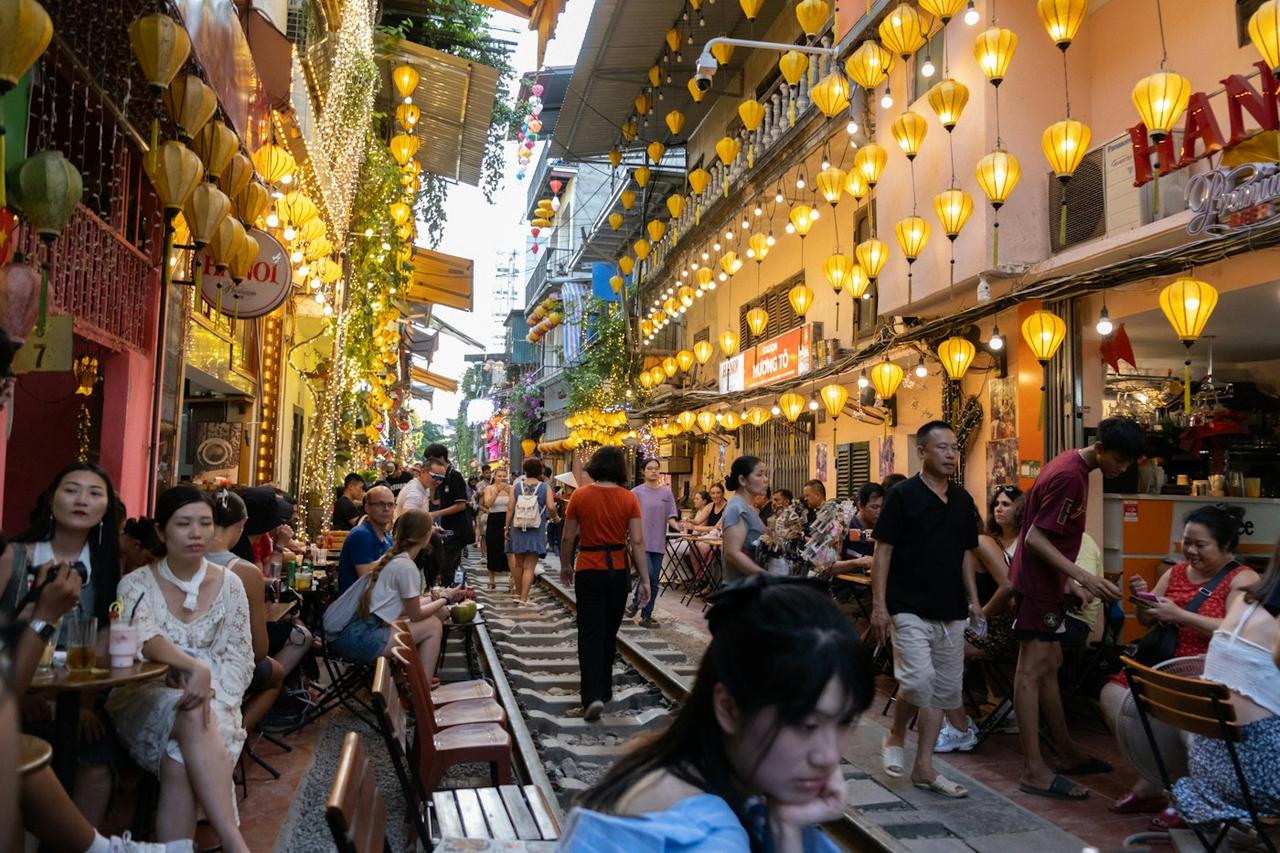
Spend three nights in Hanoi. The Old Quarter is a maze of narrow streets, each traditionally linked to a trade, and it is best explored on foot in the early morning or evening. Walk around Hoan Kiem Lake, see the Temple of Literature and try the city's famous dishes: pho, the noodle soup, bun cha, grilled pork with noodles, and egg coffee in a tiny cafe. Crossing the road is an adventure, so walk slowly and steadily and let the motorbikes flow around you.
Ha Long Bay and Ninh Binh
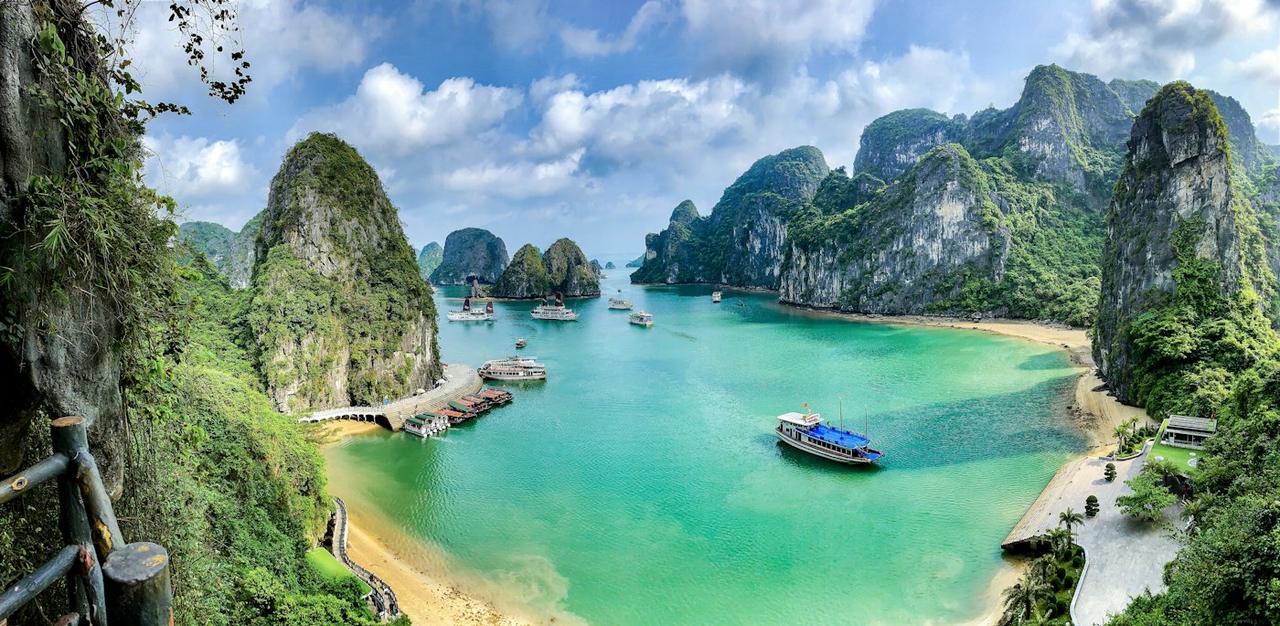
From Hanoi, Ha Long Bay is a long day trip or, better, a one-night cruise among limestone islands. Choose an operator with good safety standards and check current regulations and weather, since cruises can be cancelled in storms. If you prefer to skip the cruise, Ninh Binh and the Tam Coc boat ride offer similar limestone scenery in a quieter setting and take about a half-day from Hanoi.
Da Nang and Hoi An: the central coast
Fly south to Da Nang, then drive roughly an hour to Hoi An, which is a good base for three nights. The old town is a well-preserved trading port, lit by lanterns in the evening, with tailors, cafes and riverside walks. Many visitors have clothes made here, so allow a day for fittings and avoid ordering on the last day.
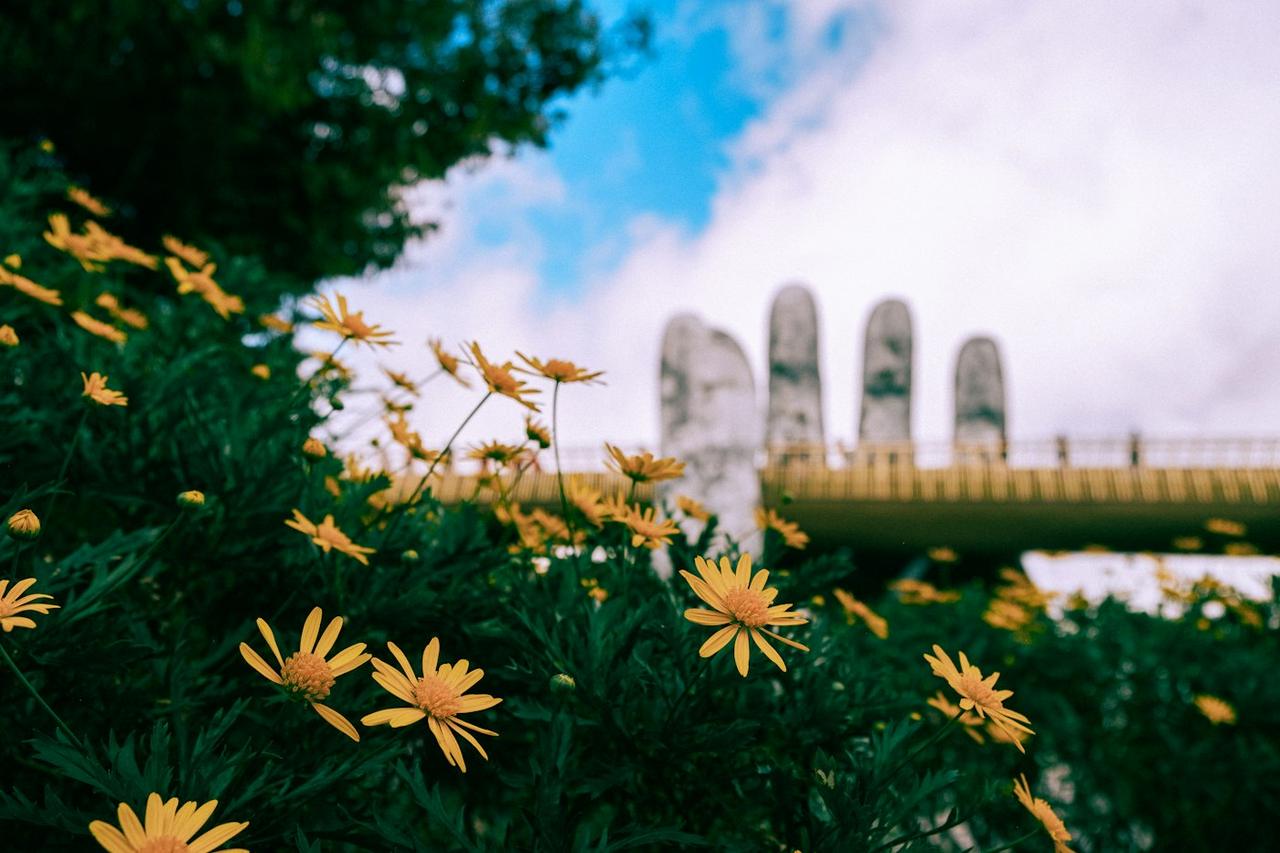
From Da Nang you can visit the Marble Mountains, the My Son ruins, and the Golden Bridge at Ba Na Hills, a footbridge held up by two giant stone hands that draws large crowds. Go early to avoid the queues. Beach time is also easy on the coast near Da Nang, with the best weather generally in the drier spring and summer months.
Ho Chi Minh City and the Mekong Delta
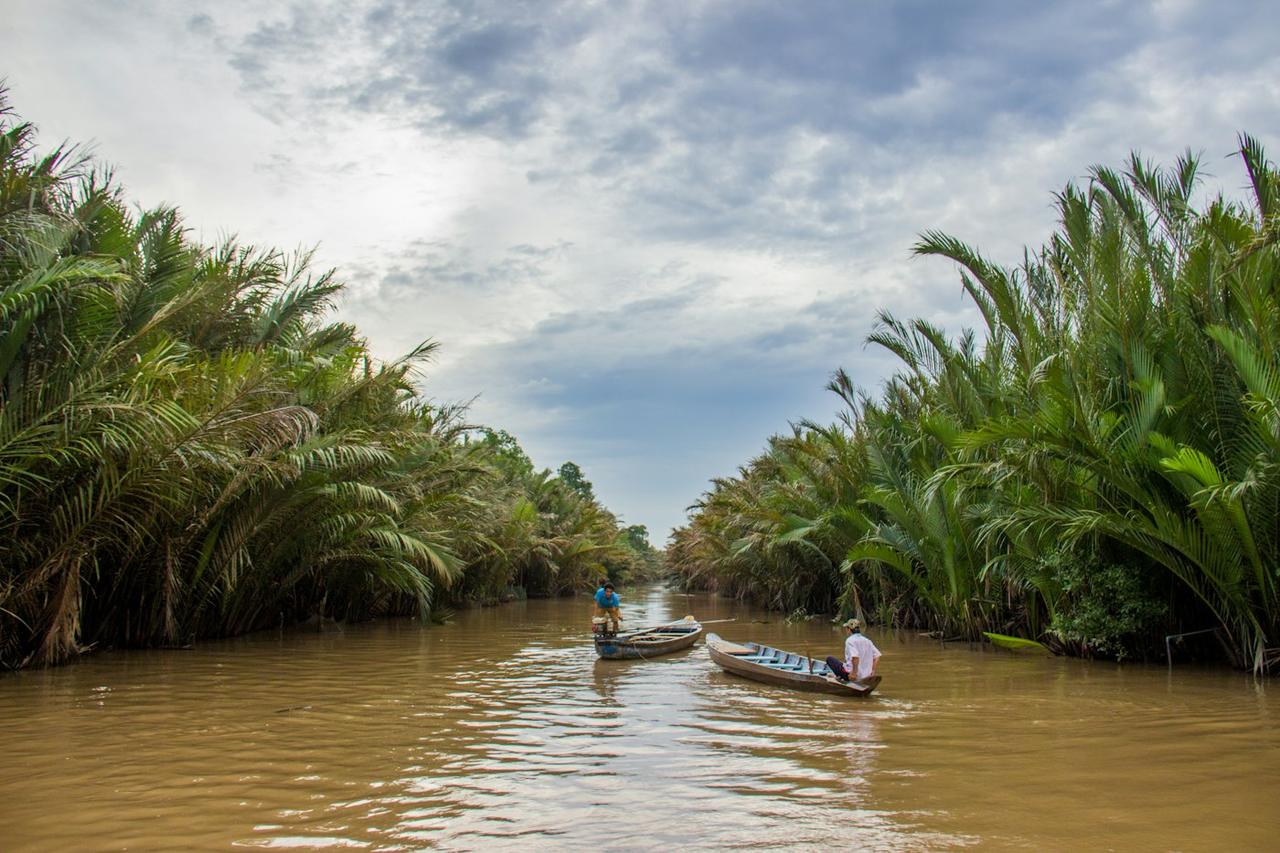
Fly on to Ho Chi Minh City and spend three nights. The city is busier and more modern than Hanoi, with colonial buildings such as the Notre-Dame Cathedral and the Central Post Office, plus the Ben Thanh Market and the War Remnants Museum, which many visitors find sobering. A day trip to the Mekong Delta includes a boat ride through canals, fruit orchards and small workshops making coconut sweets.
A sample 11-night plan
- Nights 1 to 3: Hanoi
- Night 4: Ha Long Bay cruise or Ninh Binh
- Nights 5 to 7: Hoi An, with a day in Da Nang
- Nights 8 to 10: Ho Chi Minh City, with a Mekong day
- Night 11: Spare night or departure
When to go and practical points
Vietnam's weather differs by region. The north has a cool, damp winter and a hot, wet summer, so spring and autumn tend to be pleasant. The centre has a rainy season in the latter part of the year, with typhoons possible, while the south is warm year-round with a wet season from around May to October. Because the country is so long, no month is ideal everywhere, so plan around your priorities and check current forecasts.
A few practical points:
- Visa and entry rules for Indian passport holders can change, so check the current rules on the official source or with us before booking.
- Carry some Vietnamese dong for markets and small restaurants, and check card charges at home.
- Dress modestly at temples and pagodas.
- Be careful with phones and bags in crowded markets and on motorbike-heavy streets.
If you are weighing Vietnam against other trips, our Vietnam page has more on what we offer. Many travellers pair it with another country, so see our group tours, or let us shape a custom trip if you want to add Cambodia or Phu Quoc. For a neighbouring option, read our Thailand itinerary.
Have a look at our Vietnam trips if you would like this route planned for your dates.
Written by the Indian Rounds Team. Travel rules, prices and conditions change, so please check current details with the official source or ask us before you book.
Plan Vietnam with us
Tell us your dates and budget and we will suggest the right trip.